
Library > Resources
The Library of Knowledge Flow
Books, talks, and people who are with you on the path -- as you move from knowledge stocks to living flow.
Companions For Your Journey
This library will continue to grow!
Leadership and the New Science
Margaret Wheatley
A systems-oriented exploration of leadership and organizational life that reframes organizations as living systems shaped by relationship, emergence, and participation rather than mechanical control.
The Fearless Organization
Amy Edmondson
An exploration of psychological safety and organizational learning that reveals how trust and interpersonal conditions shape a system’s ability to surface knowledge, uncertainty, and error.

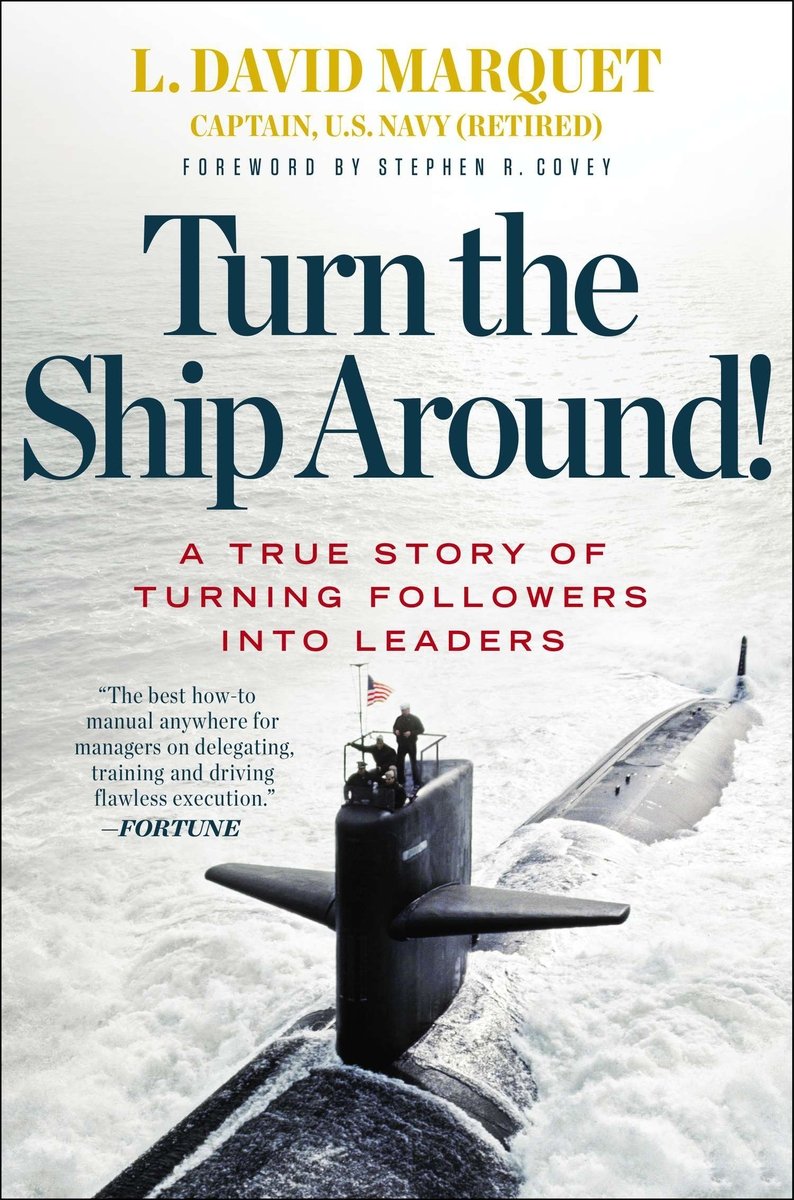
Turn the Ship Around!
David Marquet
A leadership memoir and organizational case study exploring how distributed authority and shared ownership can increase learning, adaptability, and operational intelligence.
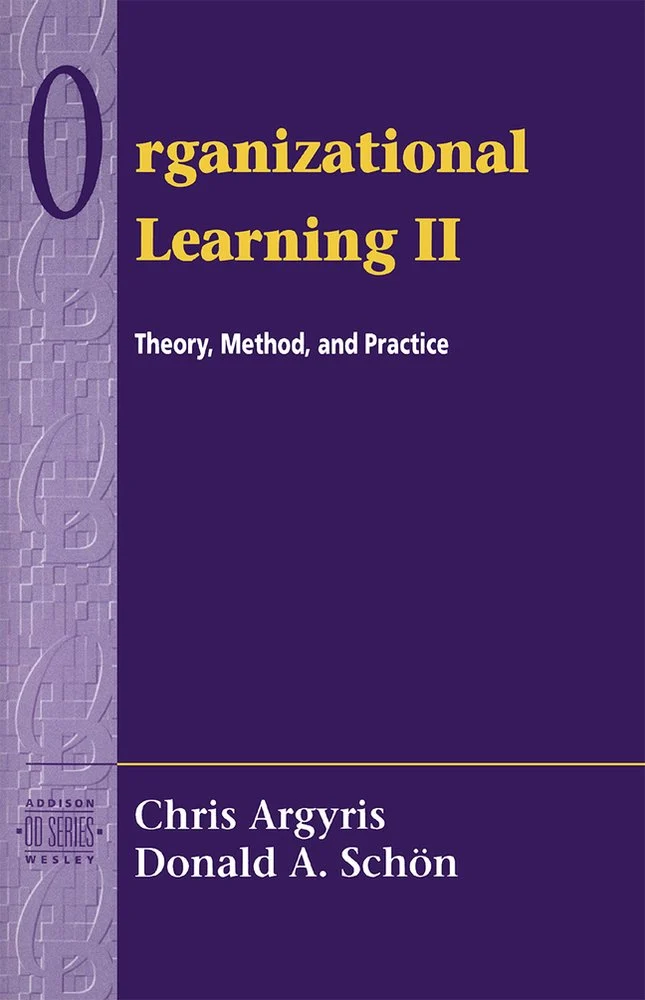
Organizational Learning II
Chris Argyris
A deep exploration of how organizations learn, adapt, defend existing assumptions, and often unintentionally prevent the very learning they need most.
Deep Work
Rules for Focused Success in a Distracted World
Cal Newport
Deep Work argues that the ability to focus without distraction on cognitively demanding tasks is a rare and increasingly valuable skill—and one that can be deliberately trained to produce better work in less time.
The Fifth Discipline
The Art & Practice of The Learning Organization
Peter M Senge
A foundational exploration of learning organizations and systems thinking that examines how groups cultivate collective intelligence, reflection, and adaptive capacity.
Zen and the Art of Motorcycle Maintenance: An Inquiry Into Values
Robert M. Pirsig
A cross-country motorcycle trip exploring the split between rational, technological thinking and lived, human experience.
Experiential Learning
David Kolb
A foundational exploration of learning as a cyclical process of experience, reflection, conceptualization, and experimentation rather than passive information transfer.
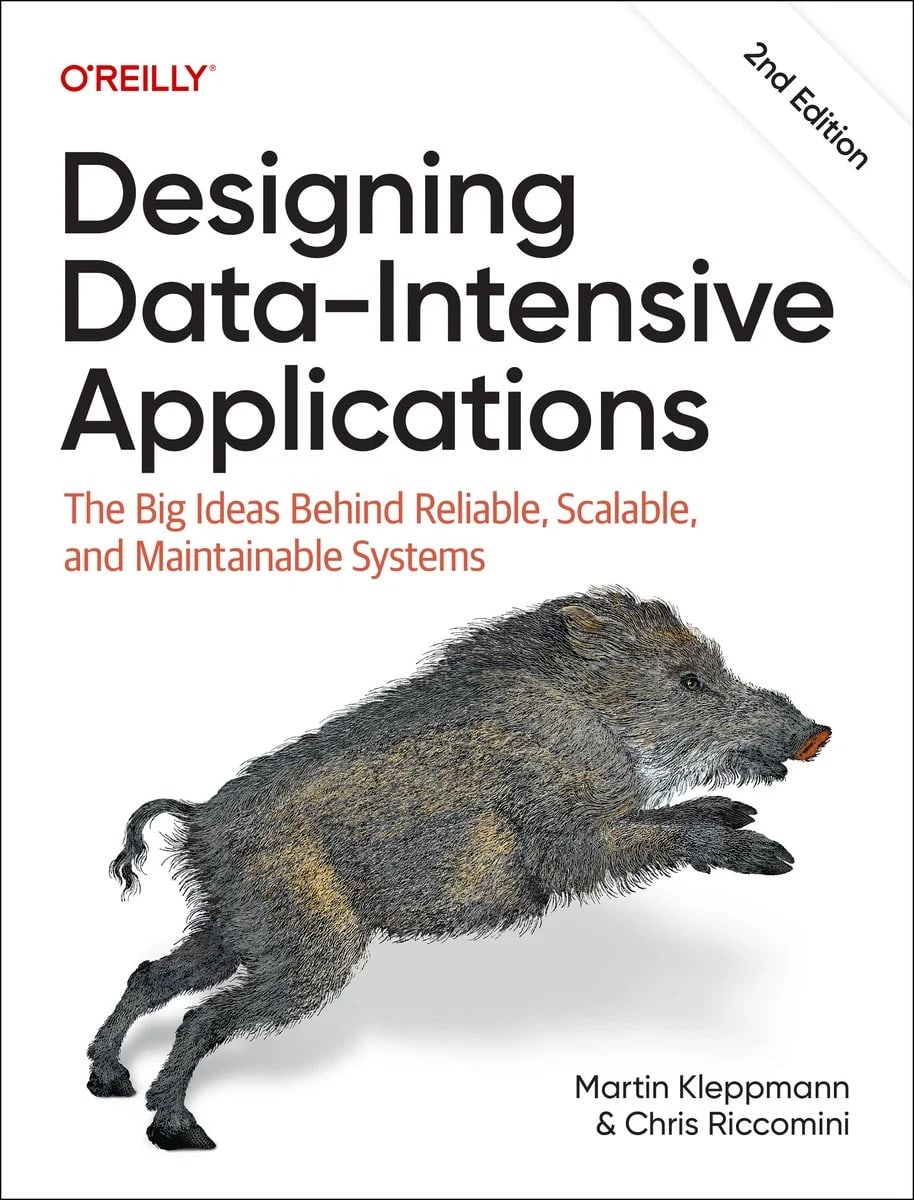
Designing Data-Intensive Applications
Martin Kleppmann
Explains how to design systems that evolve through events, state, and asynchronous coordination rather than linear transactions. Makes time, sequence, and accumulation explicit as the basis of system behavior.
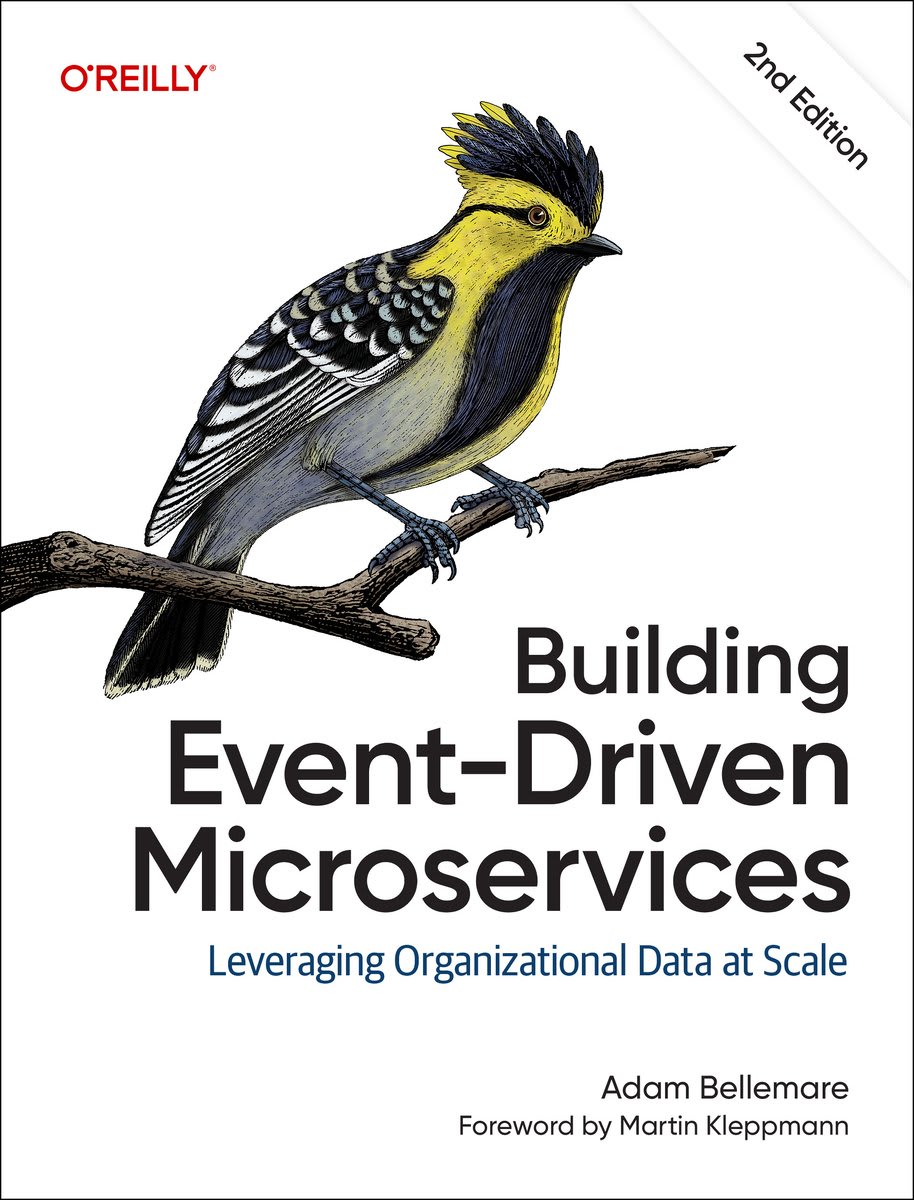
Building Event-Driven Microservices
Leveraging Organizational Data at Scale
Adam Bellemare
A practical guide to designing systems around events, enabling coordination, state, and behavior to emerge over time.
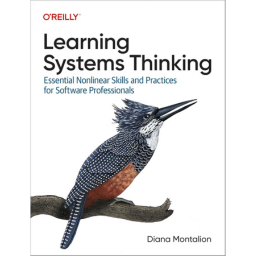
Learning Systems Thinking
Essential Non-Linear Skills and Practices for Software Professionals
Diana Montalion
Learning Systems Thinking introduces systems thinking as a learnable, practice-based skill, helping people see beyond events to the structures, patterns, and mental models shaping real-world outcomes.
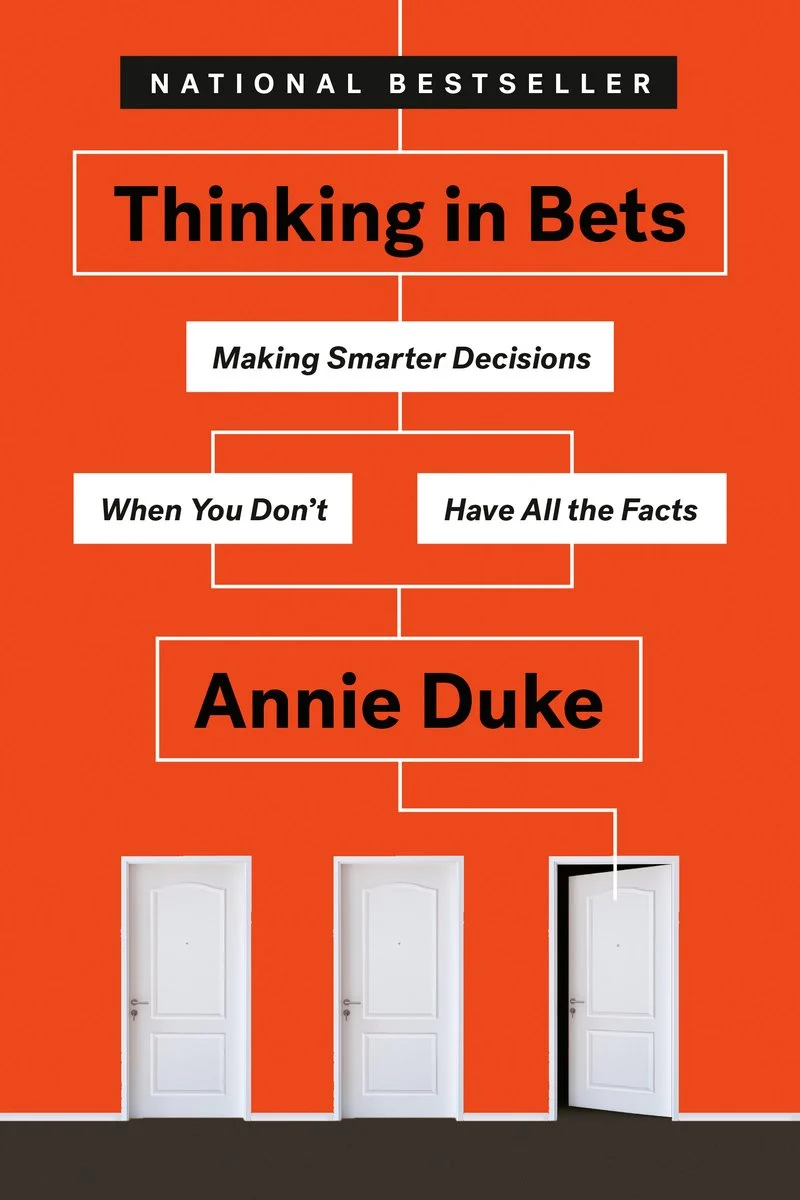
Thinking in Bets
xxx
Annie Duke
A practical exploration of decision-making under uncertainty that reframes thinking as probabilistic, adaptive, and continually open to revision.
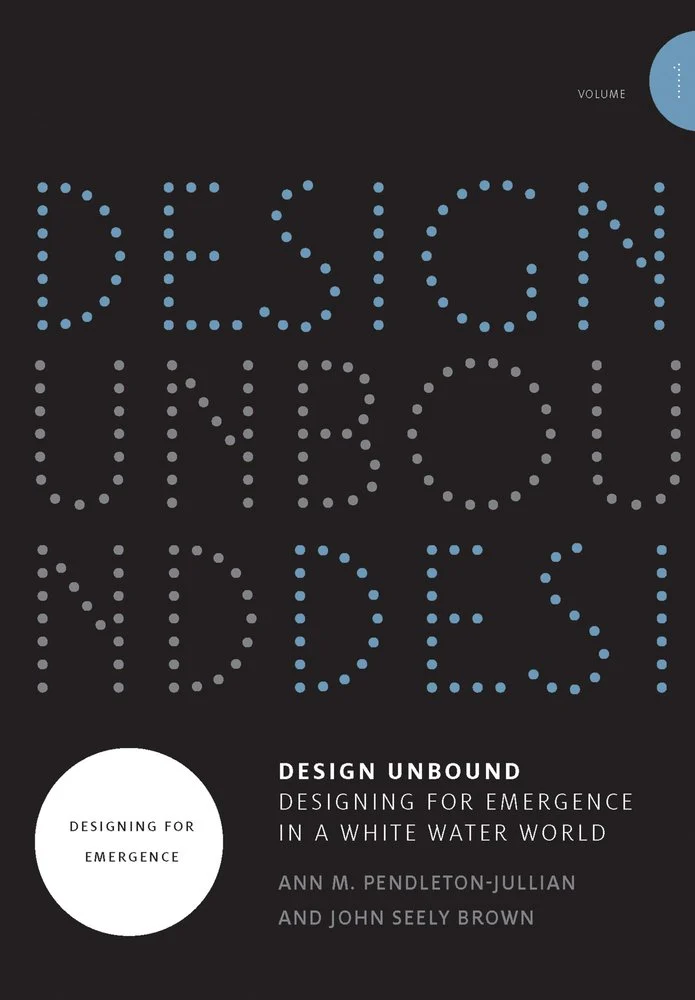
Design Unbound
Designing for Emergence in a White Water World
Ann M. Pendleton-Jullian
A systems-oriented exploration of design as an adaptive, participatory practice for shaping complex living environments rather than controlling static objects.
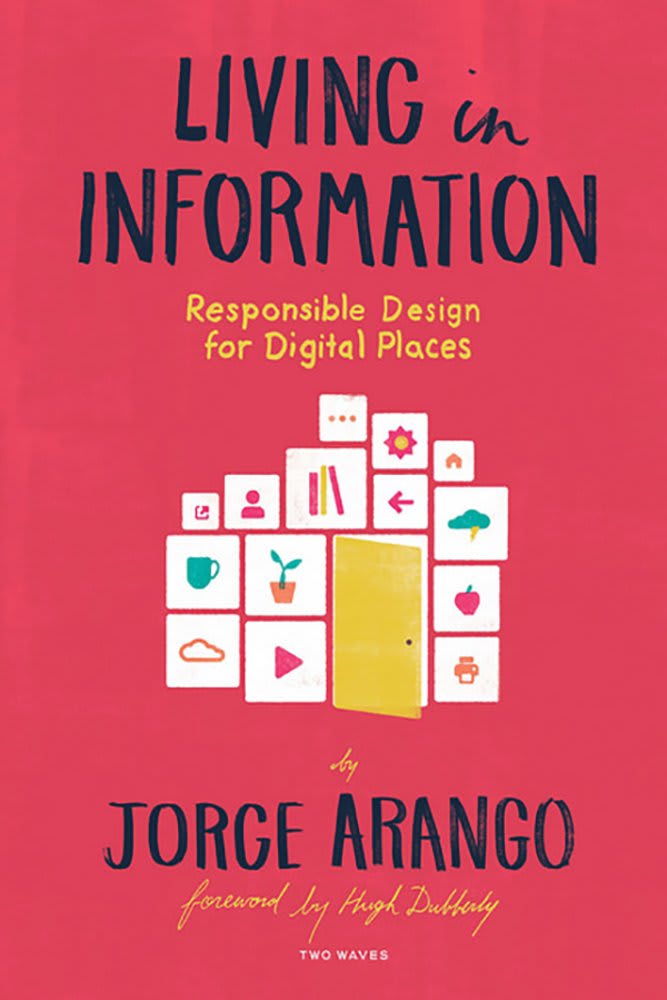
Living in Information
Jorge Arango
Websites and apps are places where critical parts of our lives happen. We shop, bank, learn, gossip, and select our leaders there. But many of these places weren't intended to support these activities.
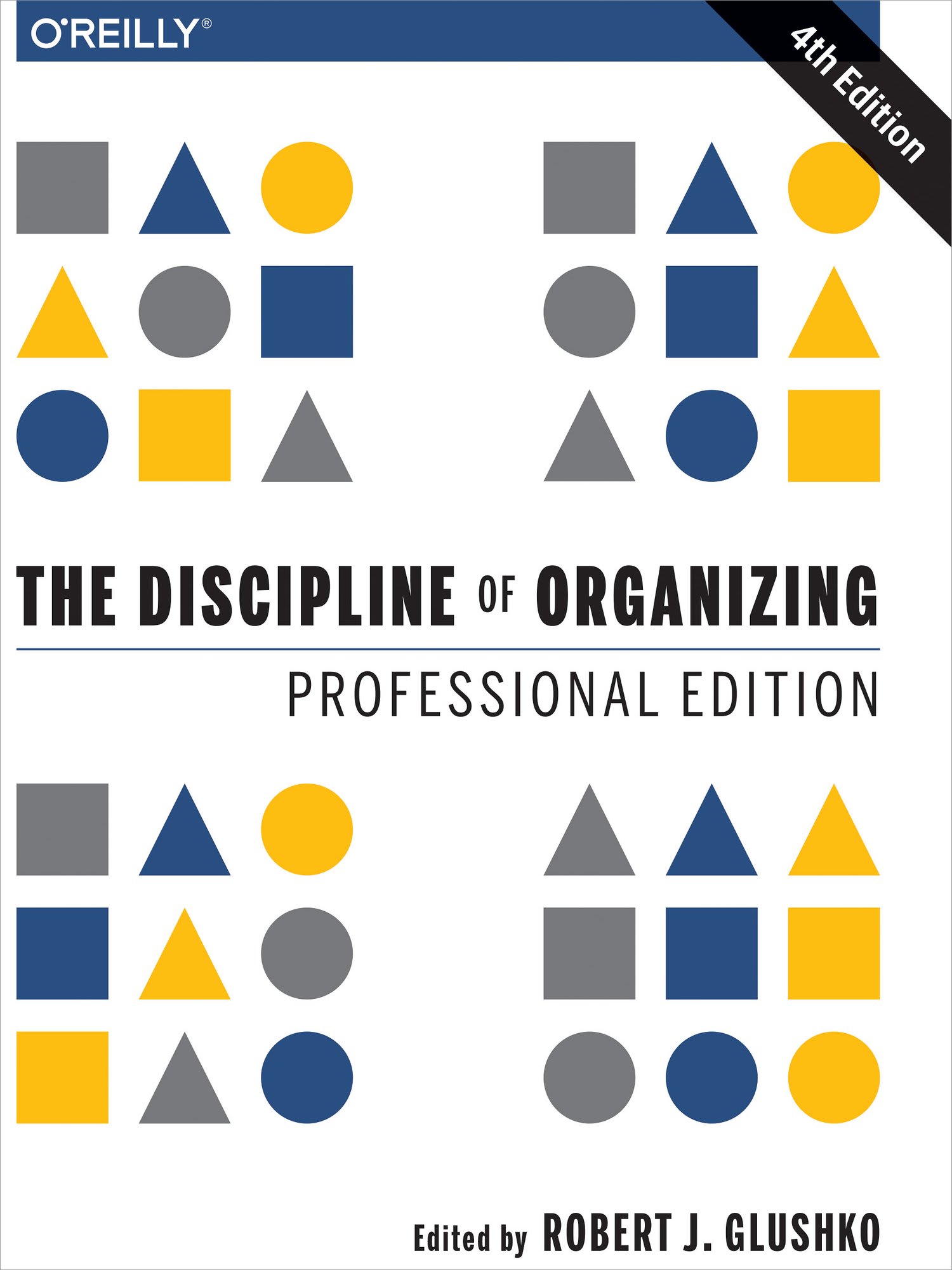
The Discipline of Organizing
Professional Edition
Robert J. Glushko
We organize things. We organize information, information about things, and information about information. Organizing is how we create understanding.
Thinking, Fast and Slow
Daniel Kahneman
The book explores the two systems of thinking humans use—fast, intuitive thinking, and slow, deliberate thinking—examining their impact on decision-making and behavior.
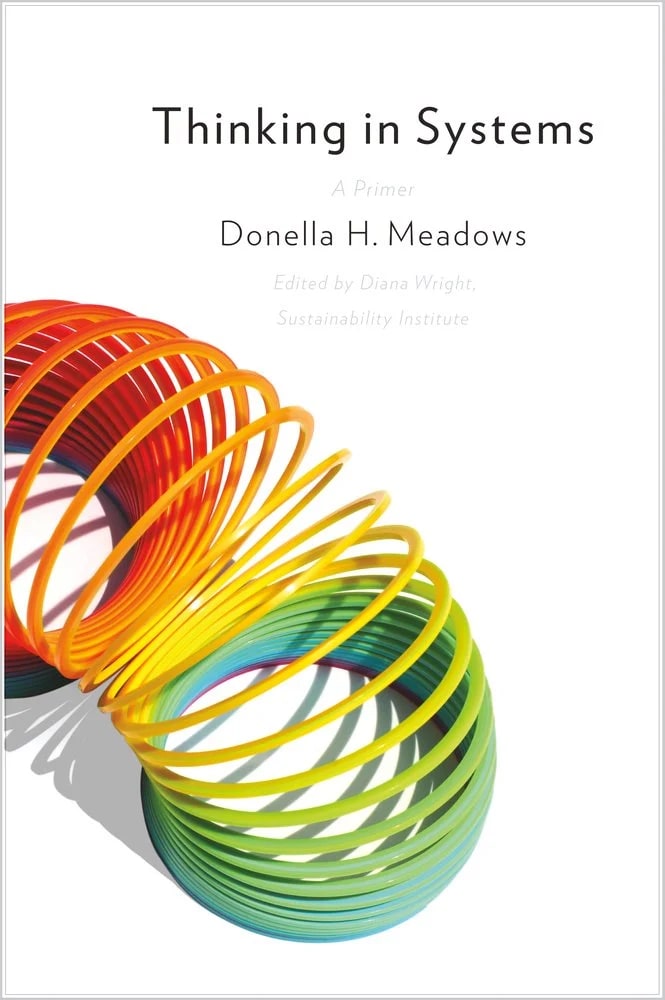
Thinking in Systems
A Primer
Donella H. Meadows
An accessible introduction to systems thinking that reveals how feedback loops, delays, structures, and mental models shape the behavior of complex systems over time.
Working Knowledge
How Organizations Manage What They Know
Laurence Prusak
Working Knowledge explains why knowledge—not data or information—is the true source of organizational value, and shows how social systems, culture, and incentives determine whether knowledge actually produces results.