
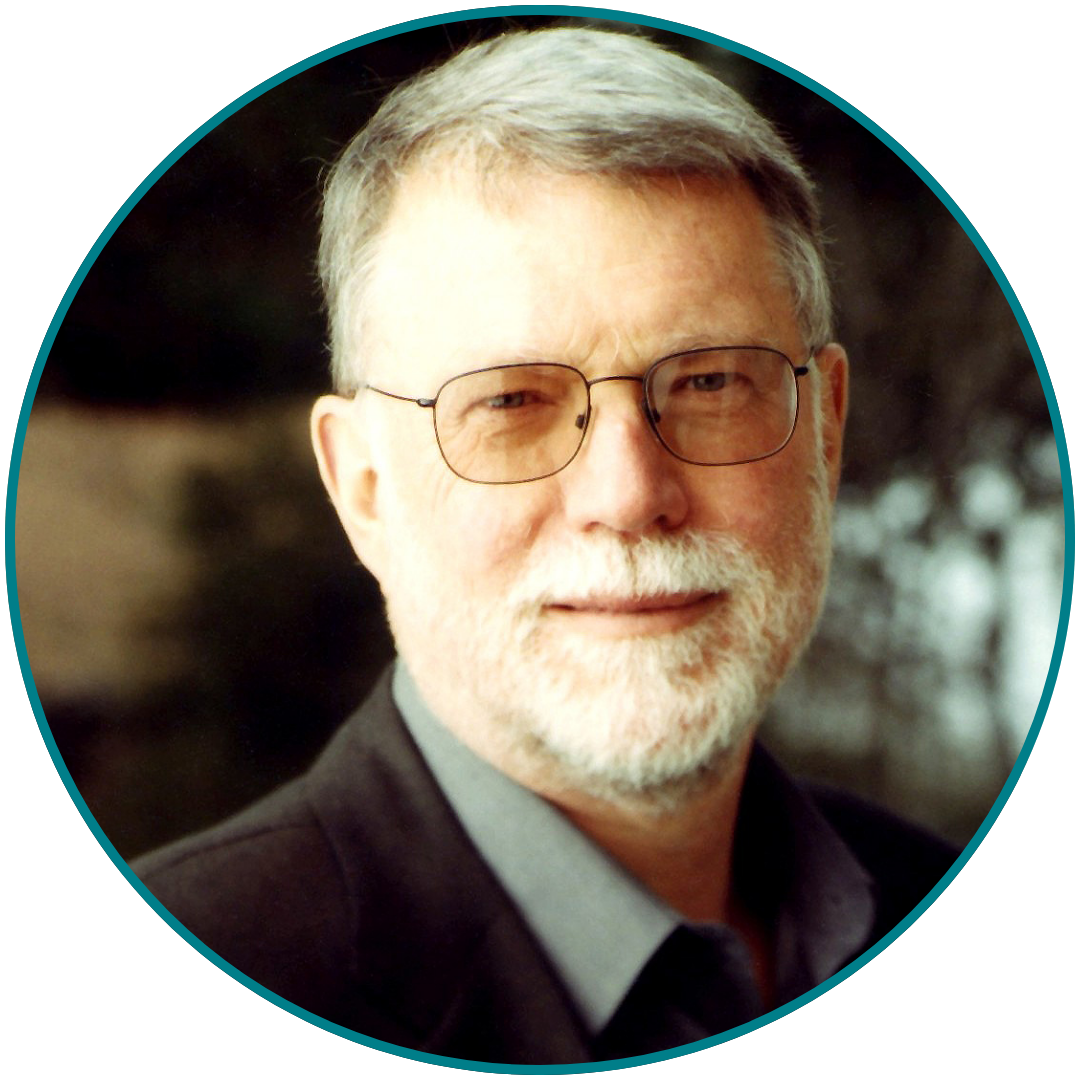
John Seely Brown is a systems thinker and learning theorist whose work examines how knowledge emerges through participation, experimentation, and social interaction. During his leadership at Xerox PARC, he helped cultivate one of the most influential innovation environments in modern computing history, where technological invention was deeply intertwined with collaborative exploration and informal learning.
Brown’s work consistently challenged the assumption that knowledge could be fully captured through documentation or formal process alone. Instead, he emphasized situated learning: the idea that understanding develops through active participation within communities, relationships, and shared practice.
Alongside thinkers such as Etienne Wenger, Brown helped popularize the concept of communities of practice, revealing how expertise often develops socially through apprenticeship, observation, storytelling, experimentation, and mutual adaptation rather than through rigid instruction.
His writing frequently explores the relationship between technology, learning, and organizational adaptability. Rather than treating digital systems as repositories of information, Brown examines how environments can support curiosity, improvisation, sense-making, and collective intelligence under changing conditions.
Relevance to Knowledge Flow
Brown’s work directly challenges one of the dominant delusions of modern organizations: the belief that knowledge is simply information stored in systems.
Knowledge Flow depends not only on access to information, but on participation, interpretation, relationship, experimentation, and lived context. Brown’s emphasis on situated learning reveals that knowledge emerges through interaction with people, systems, and environments over time.
His work helps illuminate why organizations often fail despite abundant information: because understanding cannot simply be downloaded. It must be cultivated through conditions that support learning, adaptation, and shared meaning-making.