
Martin Kleppmann is a researcher and educator specializing in distributed systems, data infrastructure, and the theory of how information behaves across time and scale. He is a Professor at the University of Cambridge, where his work focuses on databases, replication, and coordination in decentralized and collaborative systems.
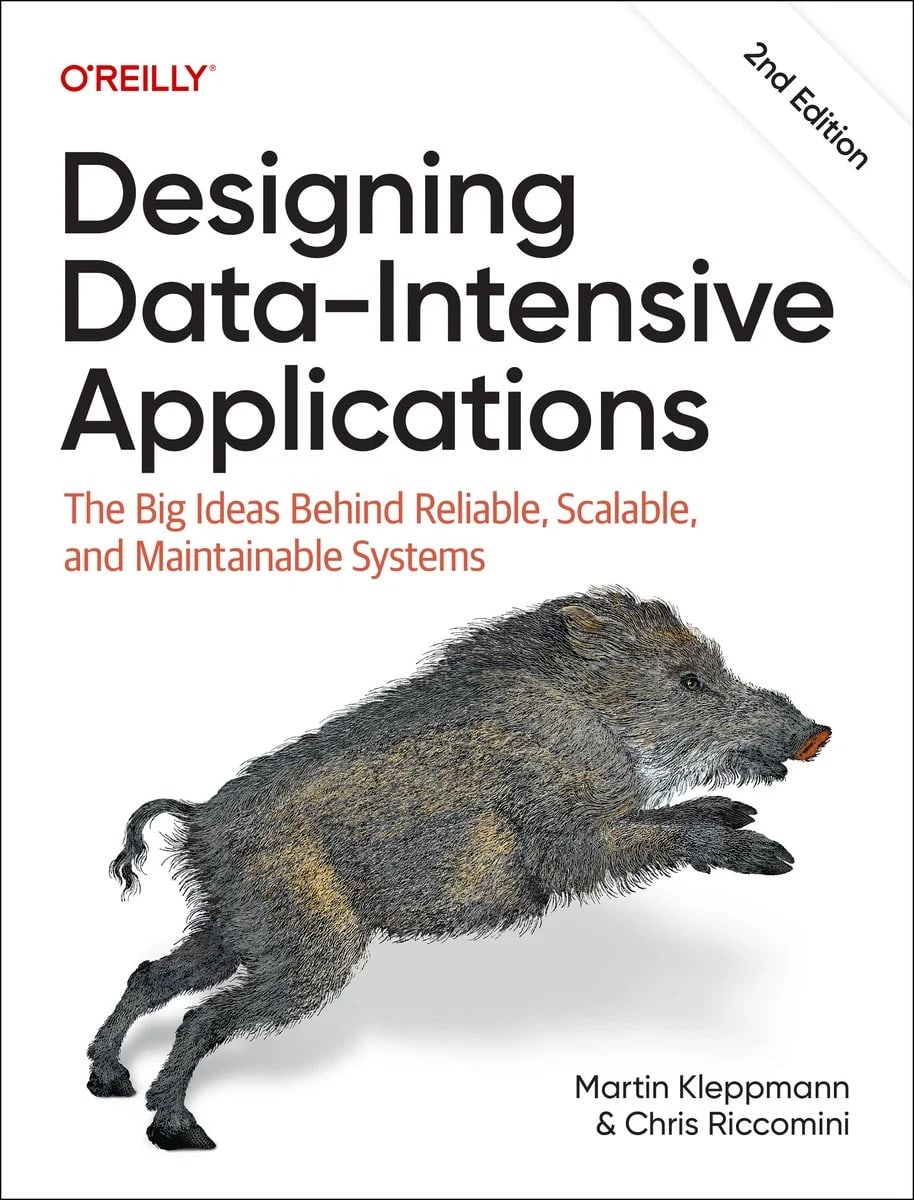
He is best known for his book Designing Data-Intensive Applications, which has become a foundational reference for understanding how modern systems manage data, state, and consistency. His work bridges deep technical rigor with conceptual clarity, making complex system behaviors—like eventual consistency, event ordering, and fault tolerance—intelligible to practitioners.
Kleppmann’s research extends into areas such as local-first software and CRDTs (conflict-free replicated data types), exploring how systems can remain coherent and collaborative without centralized control. Across his work, he consistently emphasizes that system behavior is shaped not just by components, but by how information flows, evolves, and is reconciled over time.
Relevance to Knowledge Flow
Kleppmann’s work provides the technical foundation for understanding how knowledge can persist, propagate, and remain coherent across distributed systems. By making state, events, and consistency models explicit, he shows how systems can support continuity and shared understanding even under conditions of scale and change.
His framing of logs, streams, and replication aligns directly with Knowledge Flow’s emphasis on accumulation, temporal structure, and relational coordination—revealing how intelligent behavior emerges from the way information is structured and allowed to evolve over time.