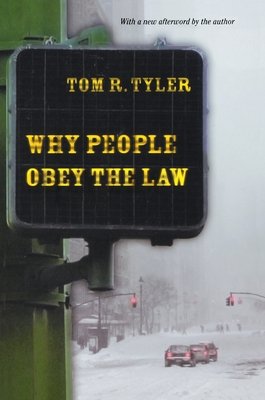
Many systems assume compliance comes from incentives, enforcement, or authority. Tyler's work shows that legitimacy matters just as much, and often more.
People are more willing to accept outcomes, even unfavorable ones, when they believe the process was fair.
Procedural justice includes voice, neutrality, respect, and trustworthy motives. This shifts the focus from decision outcomes to decision processes.
Organizations often underestimate this. They announce decisions and then wonder why trust erodes. Tyler shows that legitimacy is not soft or optional. It is a structural condition for cooperation.
Where process is illegitimate, systems must rely increasingly on control.
Why this belongs here
Knowledge Flow requires people to trust how knowledge becomes action. Tyler belongs here because procedural justice explains why fair process is a core knowledge infrastructure pattern, not a cultural nicety.