Knowledge Flow

Resource > Kenny Baas-Schwegler

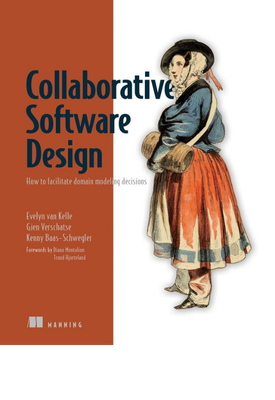
Collaborative Software Design

Good software design requires groups to make domain decisions together. Collaborative Software Design teaches facilitation practices for modeling conversations that surface knowledge, conflict, and shared understanding.

Neural tree

Software design is often presented as a technical activity.

In practice, it is also a social process of discovering meaning.

Collaborative Software Design focuses on the conversations through which teams build shared understanding of a domain.

The book emphasizes that modeling decisions are rarely obvious. They involve competing perspectives, implicit assumptions, uncertain boundaries, and different forms of expertise.

Facilitation becomes essential because knowledge is distributed across people.

The authors provide practical ways to structure conversations so that domain experts, developers, and decision-makers can participate meaningfully.

The book treats models not as static diagrams but as artifacts of collective learning.

Software architecture improves when the conversation that produced it improves.Why this belongs here: Knowledge Flow is about moving from fragmented expertise to shared understanding. This book belongs here because it shows how collaborative modeling can become a knowledge-flow practice, not just a software design technique.

Why this belongs here

Knowledge Flow is about moving from fragmented expertise to shared understanding. This book belongs here because it shows how collaborative modeling can become a knowledge-flow practice, not just a software design technique.
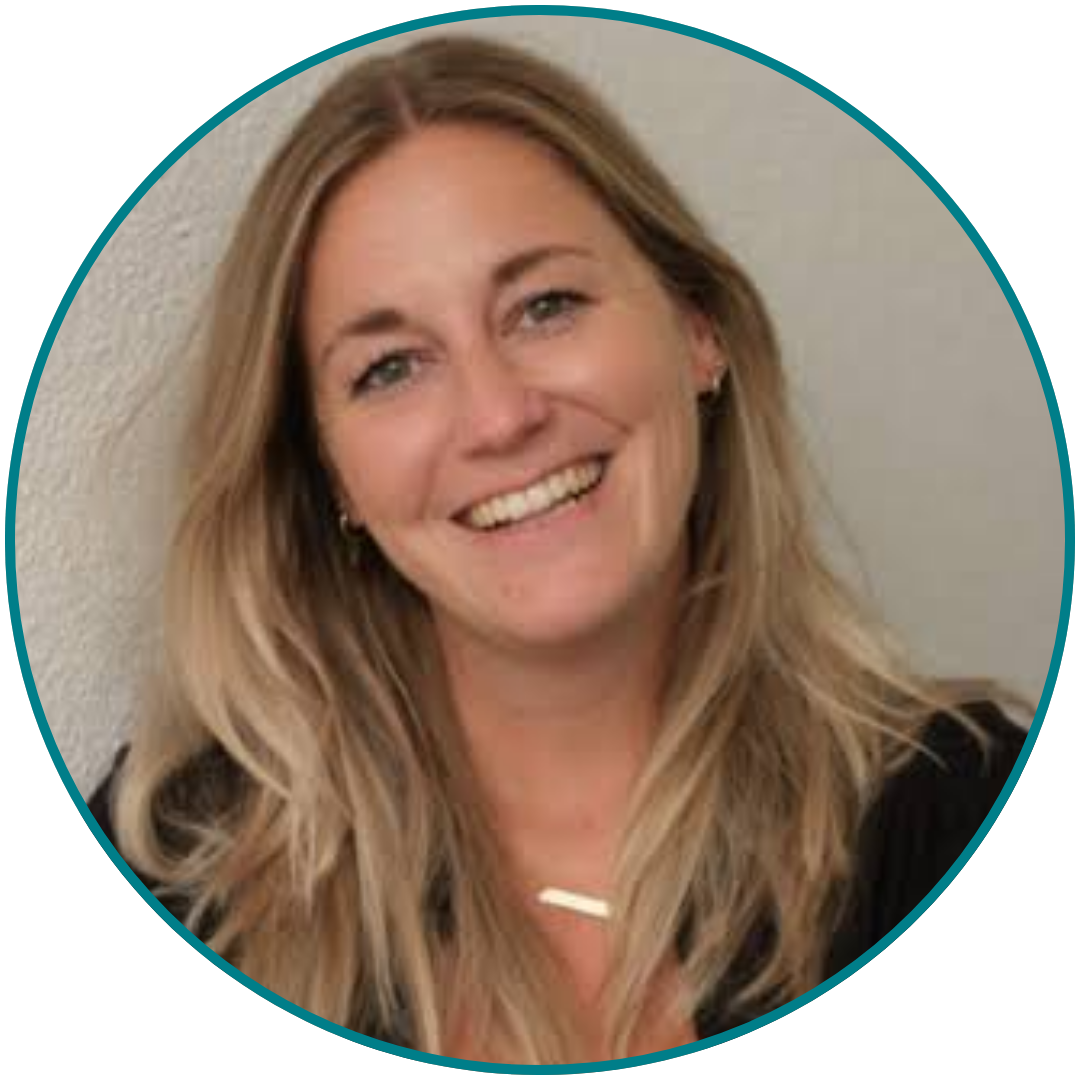
Kenny Baas-Schwegler is a software designer and facilitator known for work in collaborative modeling, DDD, and sociotechnical architecture.

Kenny Baas-Schwegler

Gien Verschatse is a software consultant and facilitator focused on collaborative domain modeling and software design.

Gien Verschatse
Gien Verschatse

Evelyn van Kelle is a software designer and facilitator focused on collaborative modeling, domain-driven design, and sociotechnical systems.

Evelyn van Kelle
Evelyn van Kelle

Related Resources

Weapons of Math Destruction

How Big Data Increases Inequality and Threatens Democracy

by Cathy O'Neil

Weapons of Math Destruction

Algorithms increasingly shape decisions about education, employment, policing, healthcare, and finance. Weapons of Math Destruction reveals how opaque mathematical models can amplify inequality, reinforce bias, and create large-scale social harm while appearing objective.


Pattern Set: AI in the Loop

View details

Get Involved in the Knowledge Experience

Use the input form to share your feedback on this page.
Or join the community. Discuss your experiences, share knowledge, learn more, together.

Knowledge Flow by Diana Montalion

A learning journey through the fireswamp of modern knowledge work — where how you learn matters more than what you know.

© 2026 Mentrix Group | All systems rearchitected

Learn

Explore

Connect