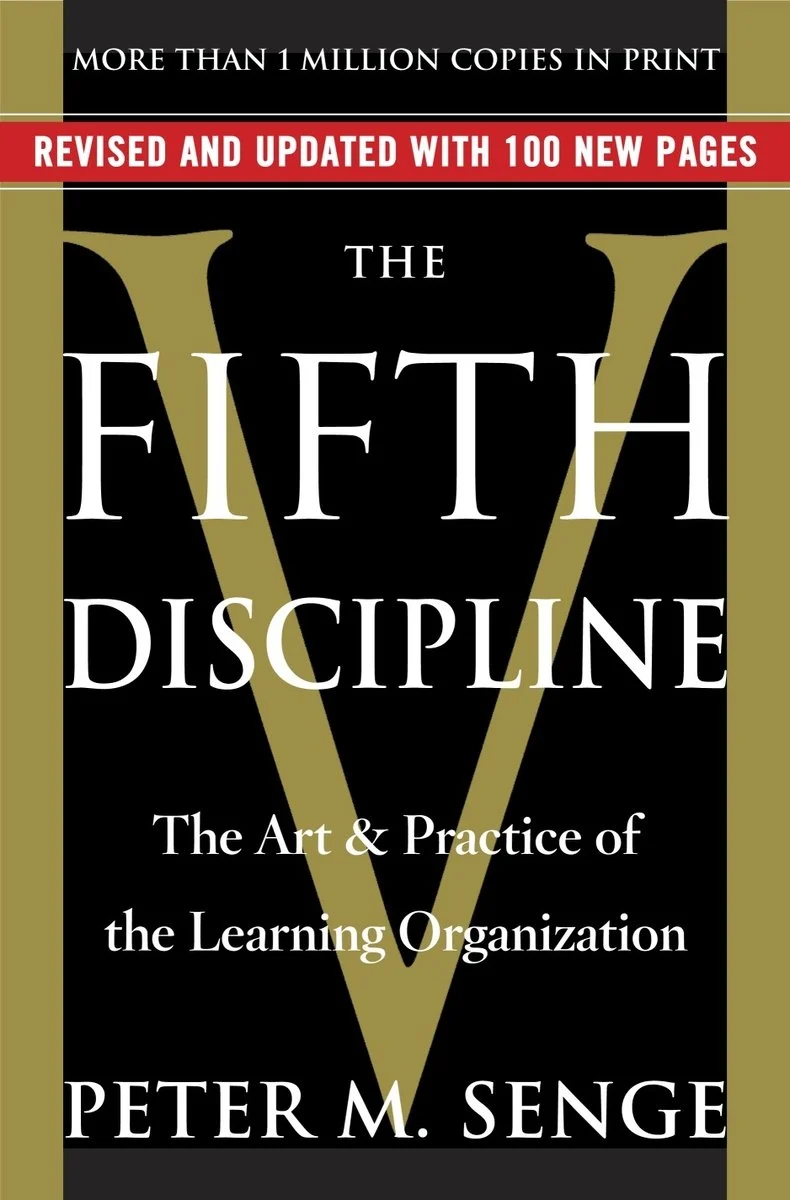
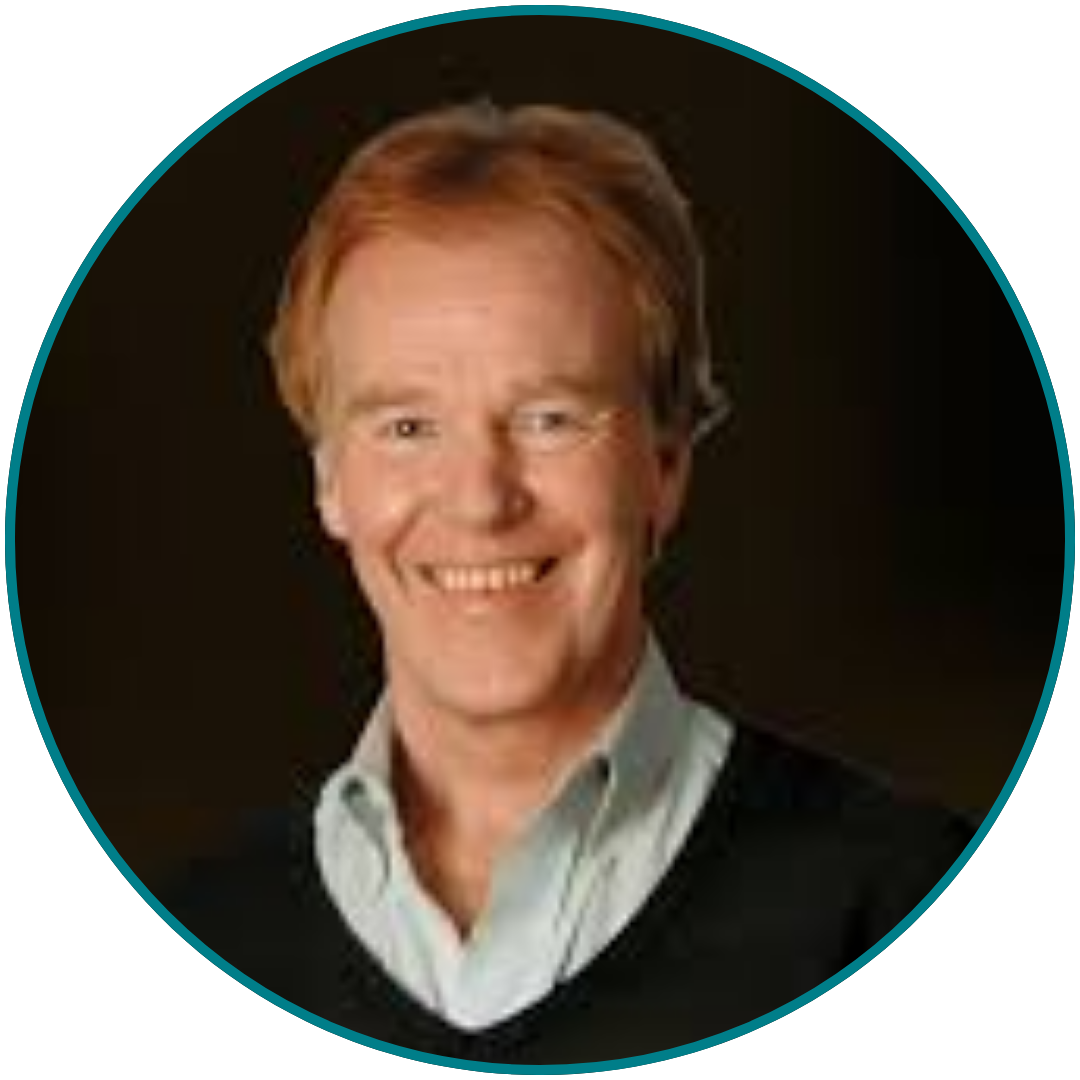
Peter Senge is an organizational theorist whose work focuses on how groups and institutions learn, adapt, and evolve over time. Through his influential concept of the “learning organization,” Senge argued that long-term organizational health depends not merely on efficiency or execution, but on the collective capacity to reflect, learn, and respond intelligently to changing conditions.
His work integrates systems thinking, organizational psychology, leadership development, and group learning practices. Rather than treating organizational problems as isolated incidents, Senge encourages people to perceive patterns, feedback loops, interdependencies, and delayed consequences across whole systems.
Senge is especially known for emphasizing mental models: the deeply embedded assumptions and interpretive frameworks that shape behavior and decision-making. He argued that organizations often become trapped not by lack of effort or intelligence, but by invisible assumptions that limit perception and learning.
His work also highlights the importance of shared vision, dialogue, and collective inquiry. Learning organizations cultivate conditions where people can surface assumptions, engage productively across perspectives, and adapt together rather than merely reacting to crises.
Relevance to Knowledge Flow
Senge’s work closely aligns with Knowledge Flow’s focus on organizational learning, relational intelligence, and systems awareness.
Knowledge systems fail when organizations become trapped in reactive loops, fragmented thinking, and rigid mental models. Learning requires structures and practices that support reflection, inquiry, adaptation, and collective sense-making over time.
His emphasis on systems thinking, shared understanding, and learning cultures reinforces a foundational principle of Knowledge Flow: intelligence is not an individual possession but an emergent property of healthy sociotechnical systems.