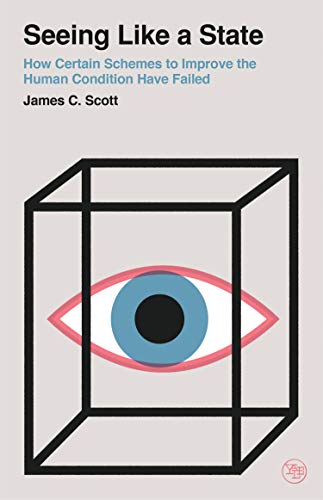
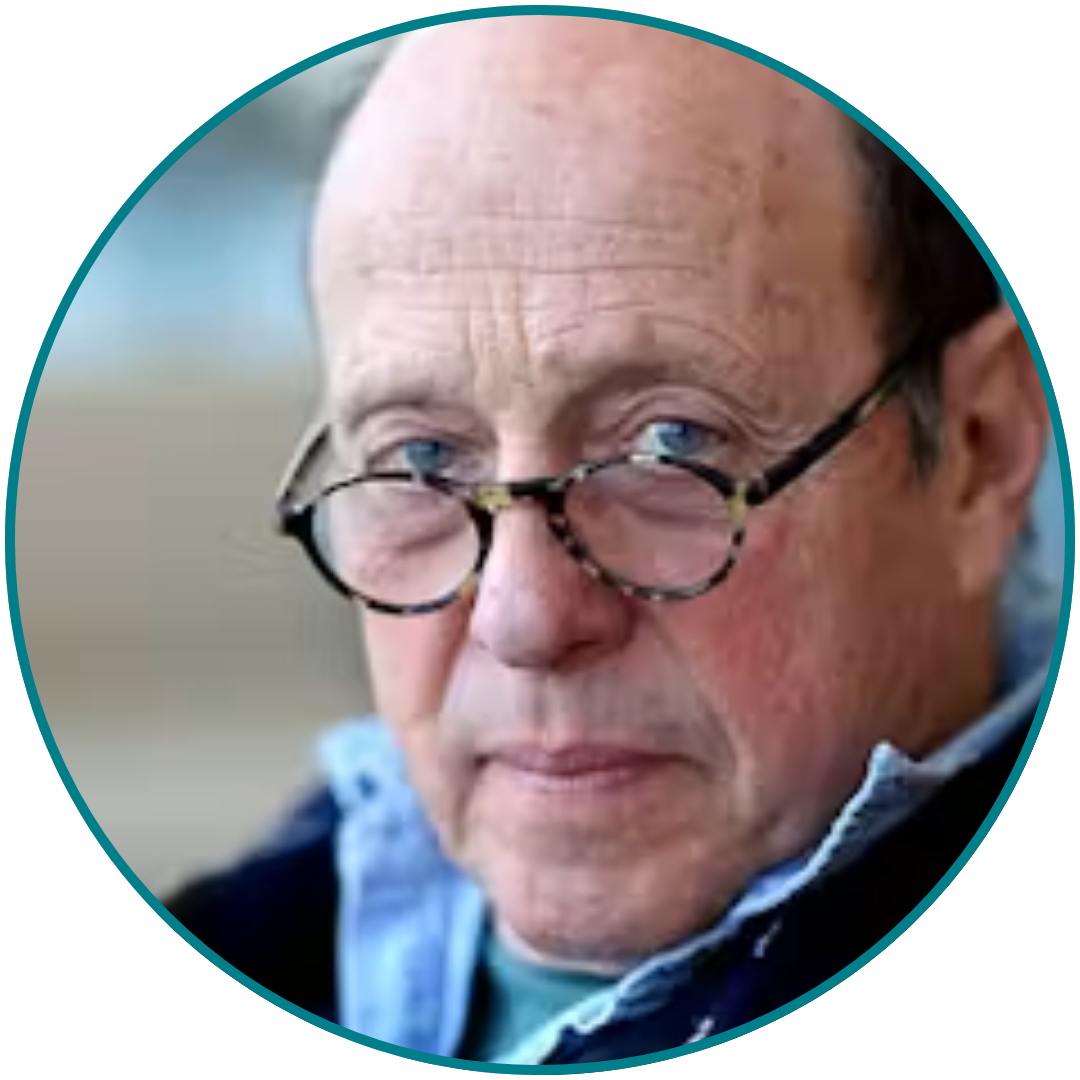
James C. Scott spent much of his academic career exploring how large-scale institutions perceive and manage complexity. Trained as a political scientist, he became widely recognized for his interdisciplinary approach, combining insights from anthropology, history, political theory, and sociology.
Much of Scott’s work focused on populations that existed at the margins of state power. Rather than studying institutions solely from the perspective of governments and administrators, he examined how ordinary people developed practical strategies for preserving autonomy, adapting to changing conditions, and maintaining local forms of knowledge.
His most influential works—including Weapons of the Weak, The Art of Not Being Governed, and Seeing Like a State—challenge assumptions about expertise, authority, and planning. Scott repeatedly demonstrated that systems often fail not because of bad intentions, but because they underestimate the complexity of the realities they seek to manage.
Throughout his career, Scott remained interested in the relationship between formal structures and informal practice. He showed that much of what makes societies, organizations, and communities work exists outside official plans, procedures, and models.
Relevance to Knowledge Flow
Scott’s distinction between formal administrative knowledge and local practical knowledge maps directly onto Knowledge Flow’s concern with preserving context as information moves through systems.
Many knowledge initiatives focus on creating visibility, consistency, and standardization. These goals are important, but Scott reminds us that every act of simplification carries the risk of losing meaning.
Knowledge systems do not merely collect information—they transform it. As information moves upward through reports, dashboards, metrics, taxonomies, and models, important forms of contextual understanding can disappear.
Scott’s work helps illuminate one of the central challenges of Knowledge Flow: how to create systems that make knowledge visible without stripping away the local realities that give it meaning.