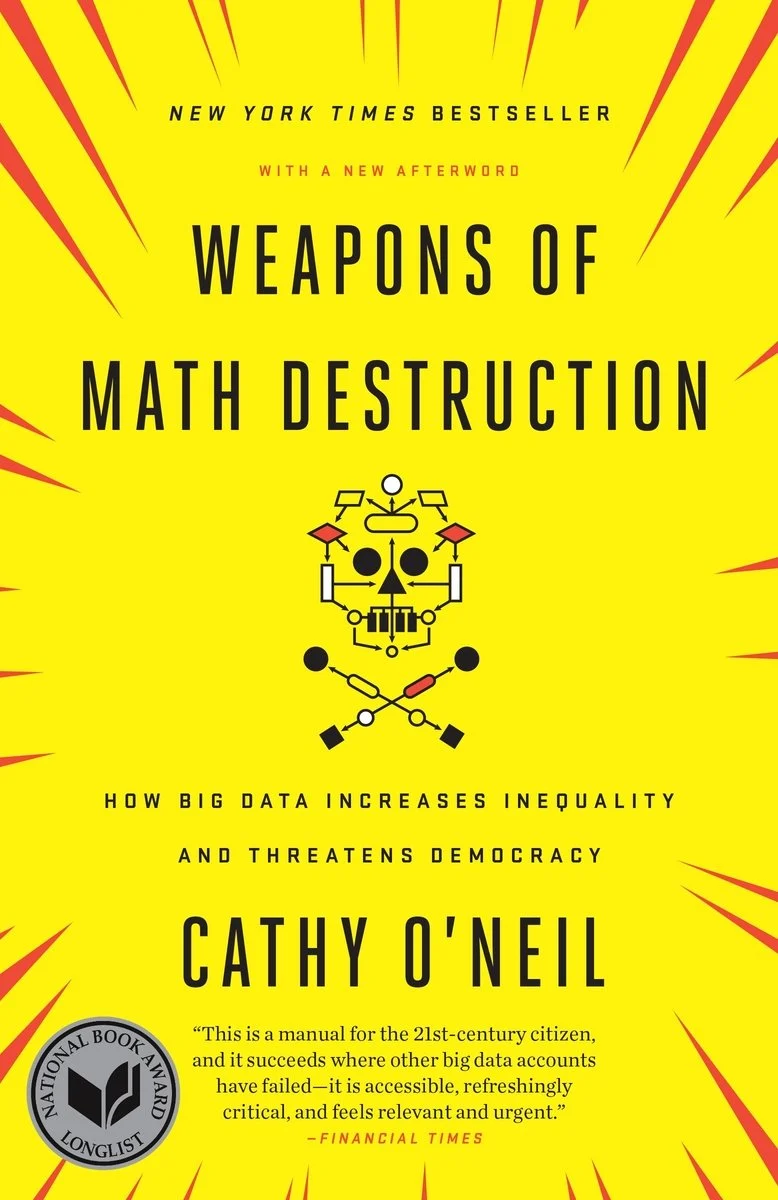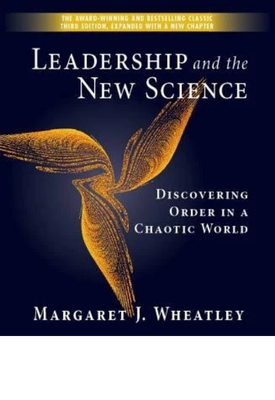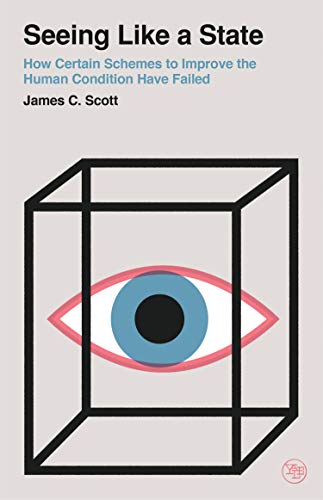
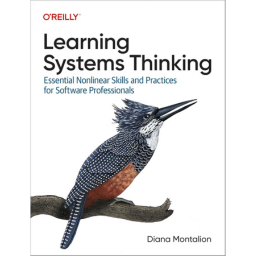
Learning Systems Thinking reframes systems thinking from an abstract academic discipline into a practical way of seeing, reasoning, and intervening in complex environments. Rather than starting with diagrams or theory, the book grounds learning in lived experience—showing how individual decisions, feedback loops, delays, and incentives interact to produce outcomes that often feel surprising or inevitable. Readers are guided to recognize common system traps, false narratives, and oversimplifications that distort understanding and lead to ineffective action.
Central to the book is the idea that systems thinking is not about prediction or control, but about learning: learning how systems behave over time, how perspectives differ, and how small, well-placed shifts can create meaningful change. By emphasizing sensemaking, humility, and iterative inquiry, Learning Systems Thinking equips readers to engage complexity without becoming overwhelmed—making it foundational for leaders, educators, designers, and engineers working in adaptive, socio-technical systems.