Knowledge Flow

Resource > Atul Gawande

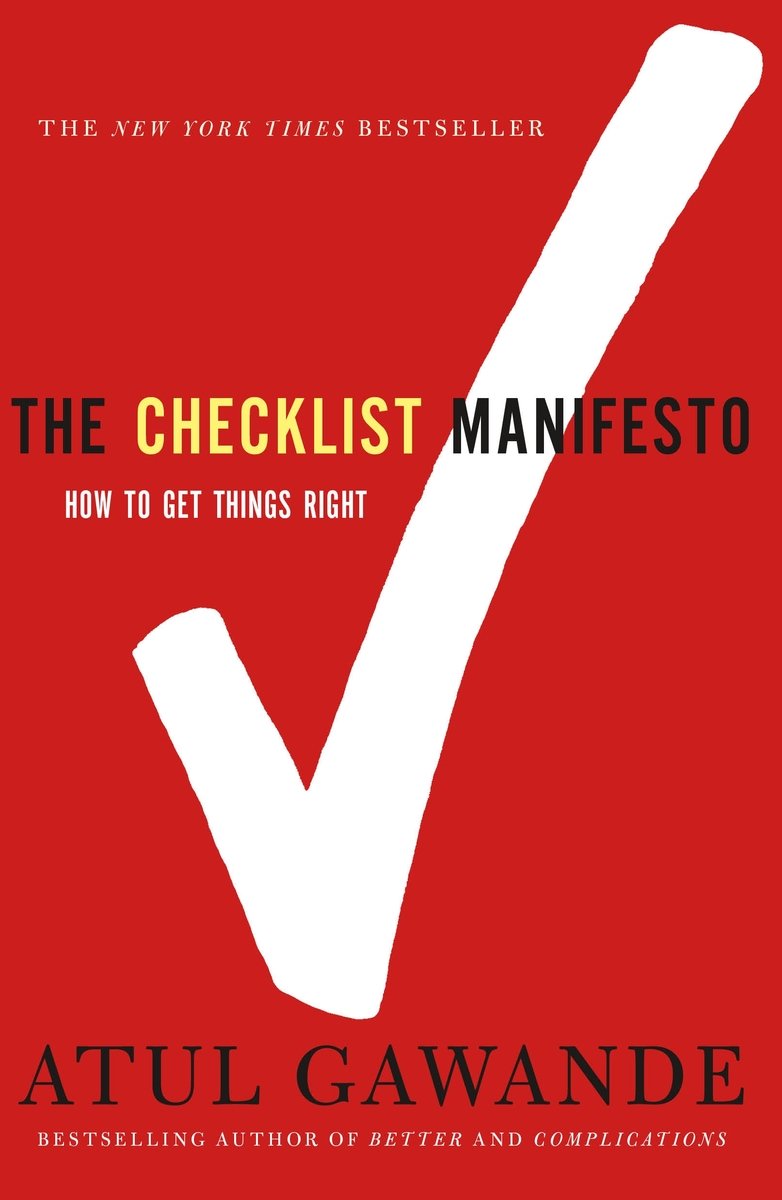
The Checklist Manifesto

Complex work fails when essential knowledge is not reliably enacted. The Checklist Manifesto shows how simple structures can support attention, coordination, and safer performance in high-stakes environments.

Neural tree

Expertise does not eliminate fallibility. In complex environments, people forget steps, miss signals, and fail to coordinate even when they know what should be done.

Gawande shows that checklists are not substitutes for expertise. They are supports for expertise.

A good checklist captures critical knowledge at the point of action. It also creates moments for coordination, communication, and shared awareness.

The book distinguishes between simple task lists and carefully designed cognitive aids.

Its deeper lesson is that knowledge must be operationalized to matter.

Why this belongs here

Knowledge Flow is about knowledge becoming action. This book belongs here because it shows how lightweight structures can prevent knowledge from disappearing under pressure.
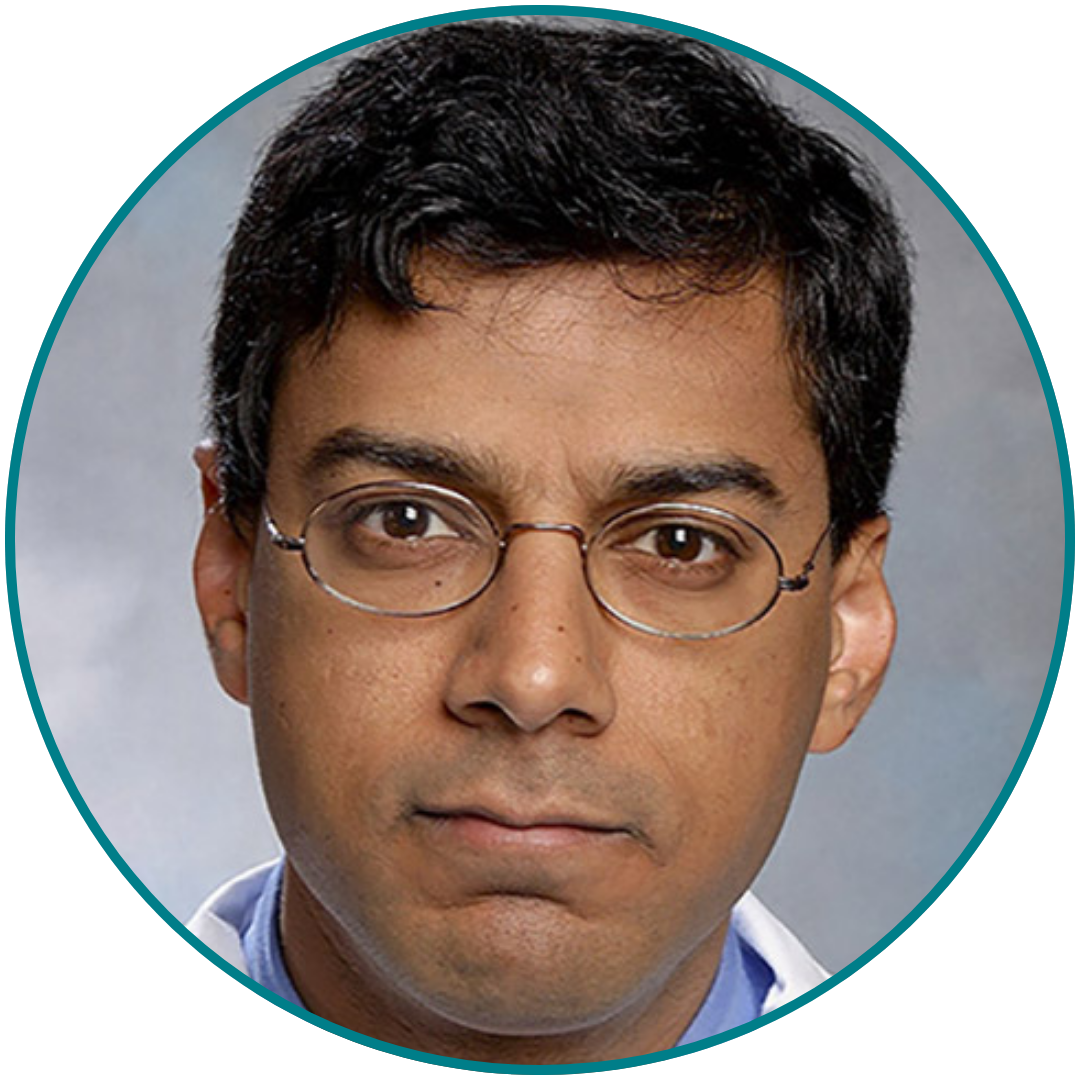
Atul Gawande is a surgeon, writer, and public health leader known for work on systems, safety, and medical practice.

Atul Gawande
Atul Gawande

Related Resources

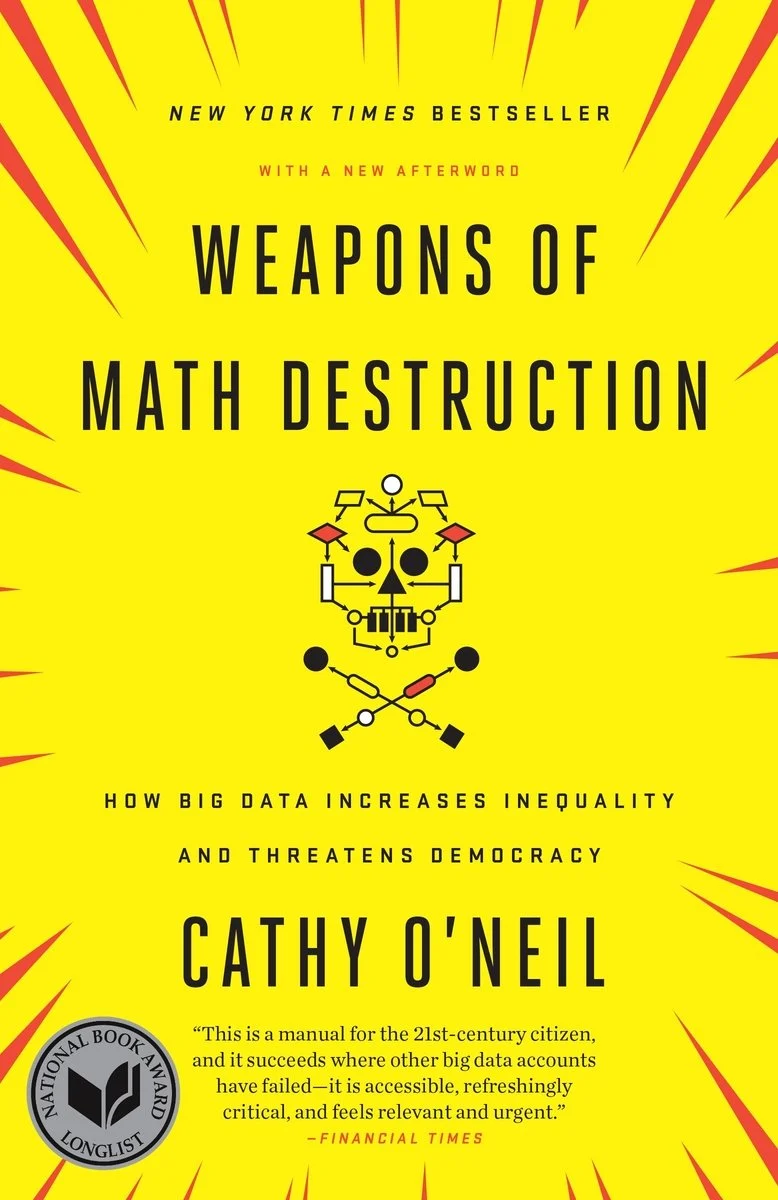
Weapons of Math Destruction

How Big Data Increases Inequality and Threatens Democracy

by Cathy O'Neil

Weapons of Math Destruction

Algorithms increasingly shape decisions about education, employment, policing, healthcare, and finance. Weapons of Math Destruction reveals how opaque mathematical models can amplify inequality, reinforce bias, and create large-scale social harm while appearing objective.


Pattern Set: AI in the Loop

View details

Get Involved in the Knowledge Experience

Use the input form to share your feedback on this page.
Or join the community. Discuss your experiences, share knowledge, learn more, together.

Knowledge Flow by Diana Montalion

A learning journey through the fireswamp of modern knowledge work — where how you learn matters more than what you know.

© 2026 Mentrix Group | All systems rearchitected

Learn

Explore

Connect