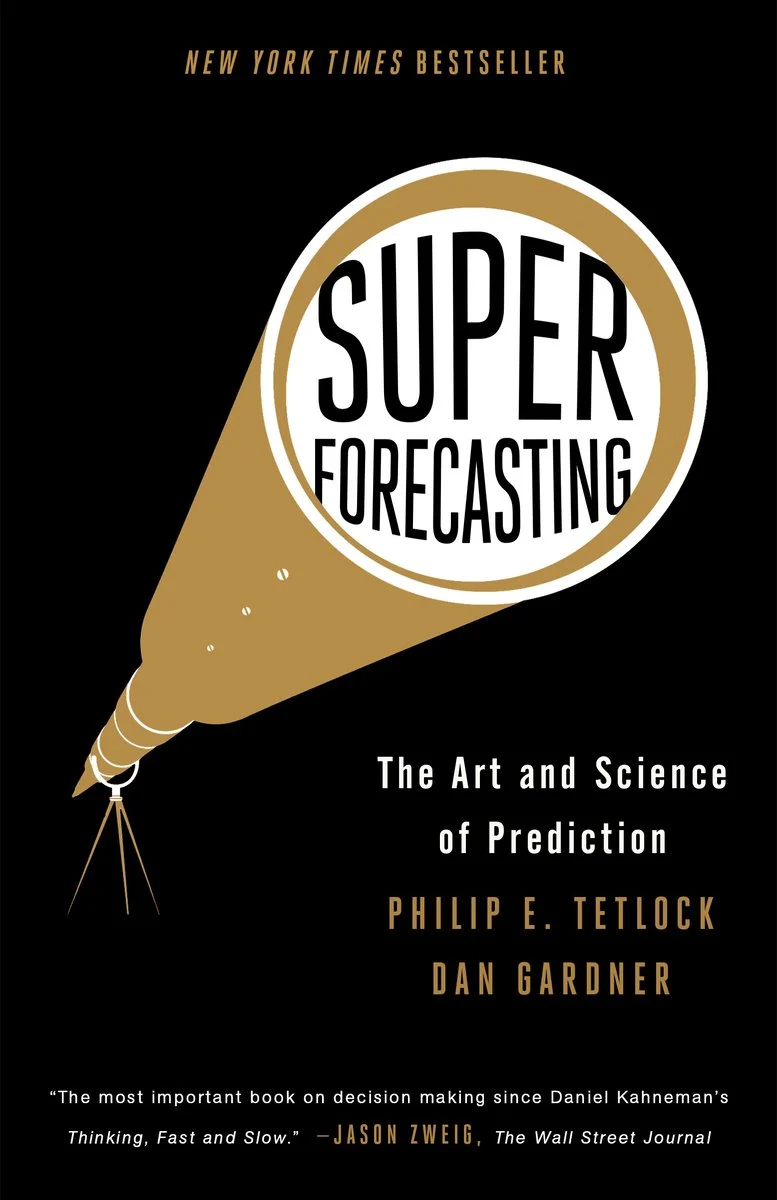
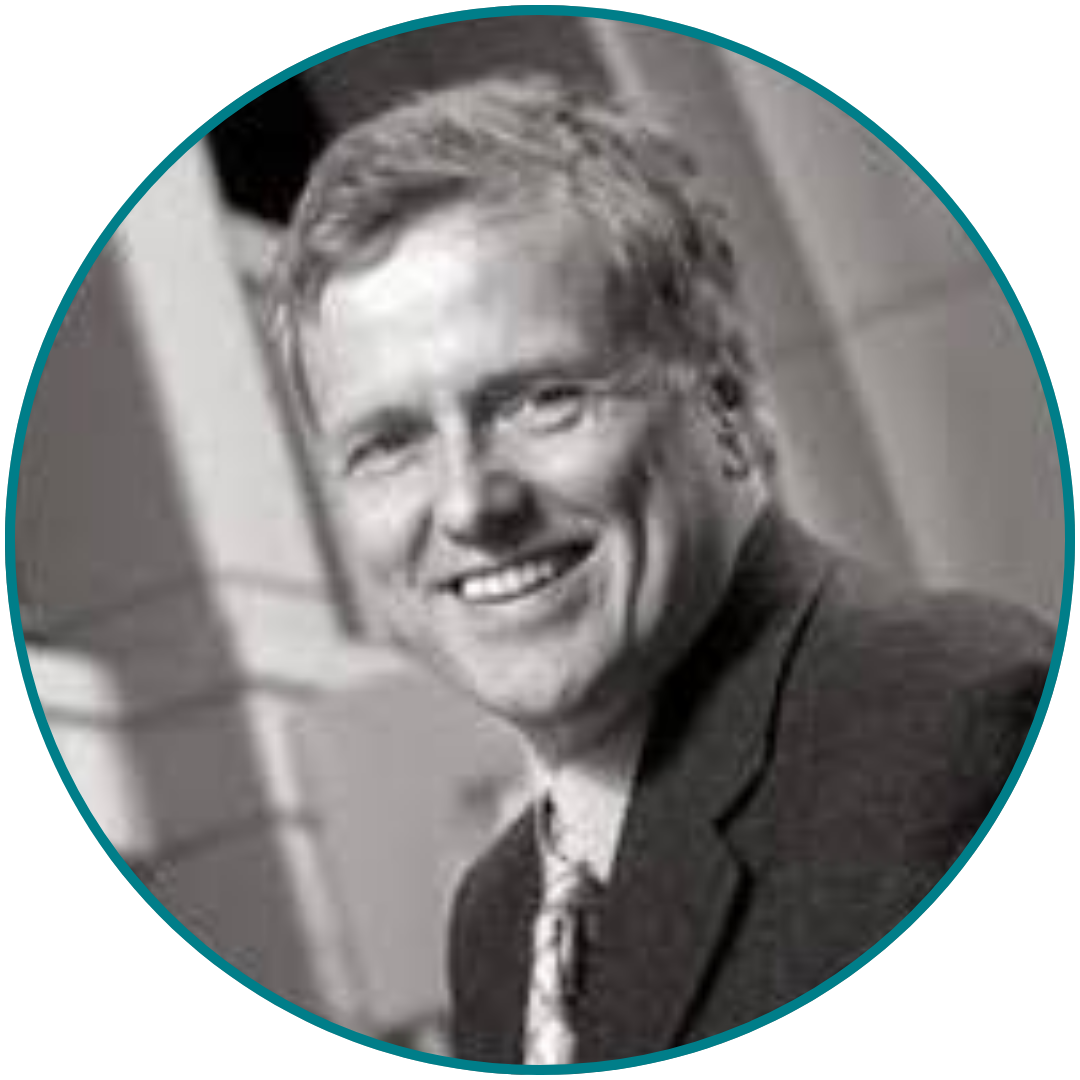
Philip Tetlock is a professor, researcher, and one of the world’s leading scholars of forecasting and judgment under uncertainty. His work bridges political science, psychology, behavioral economics, and decision science, focusing on how people form beliefs about complex events and how those beliefs can be improved.
Tetlock first gained widespread recognition through research that examined the accuracy of expert predictions. His landmark study, later published as Expert Political Judgment, evaluated thousands of predictions made by political experts over many years. The results challenged common assumptions about expertise, revealing that confidence and reputation often bore little relationship to forecasting accuracy.
Building on this work, Tetlock helped lead the Good Judgment Project, a large-scale forecasting initiative that identified individuals who consistently outperformed both experts and prediction markets. The project demonstrated that forecasting skill could be measured, studied, and improved through deliberate practice.
Throughout his career, Tetlock has been interested in the relationship between belief and evidence. His research repeatedly highlights the importance of intellectual humility, probabilistic reasoning, and a willingness to revise conclusions in response to changing information.
His work has had significant influence across government, intelligence, business strategy, risk management, and organizational decision-making, helping leaders think more effectively about uncertainty and complexity.
Relevance to Knowledge Flow
Tetlock’s work addresses a central challenge within Knowledge Flow: how people form beliefs when certainty is impossible.
Knowledge systems are often evaluated according to how effectively they store, distribute, or retrieve information. Tetlock reminds us that the ultimate purpose of knowledge is not possession but judgment.
His research demonstrates that better decisions emerge when individuals remain open to evidence, continuously update their understanding, and resist the temptation to confuse confidence with accuracy.
Knowledge Flow similarly treats understanding as provisional and adaptive. Learning occurs when beliefs remain connected to feedback rather than becoming fixed identities or unquestioned assumptions.
Tetlock’s emphasis on probabilistic thinking, continual revision, and epistemic humility provides a practical foundation for improving organizational intelligence.
His work helps explain how knowledge systems can support not just better information, but better thinking.