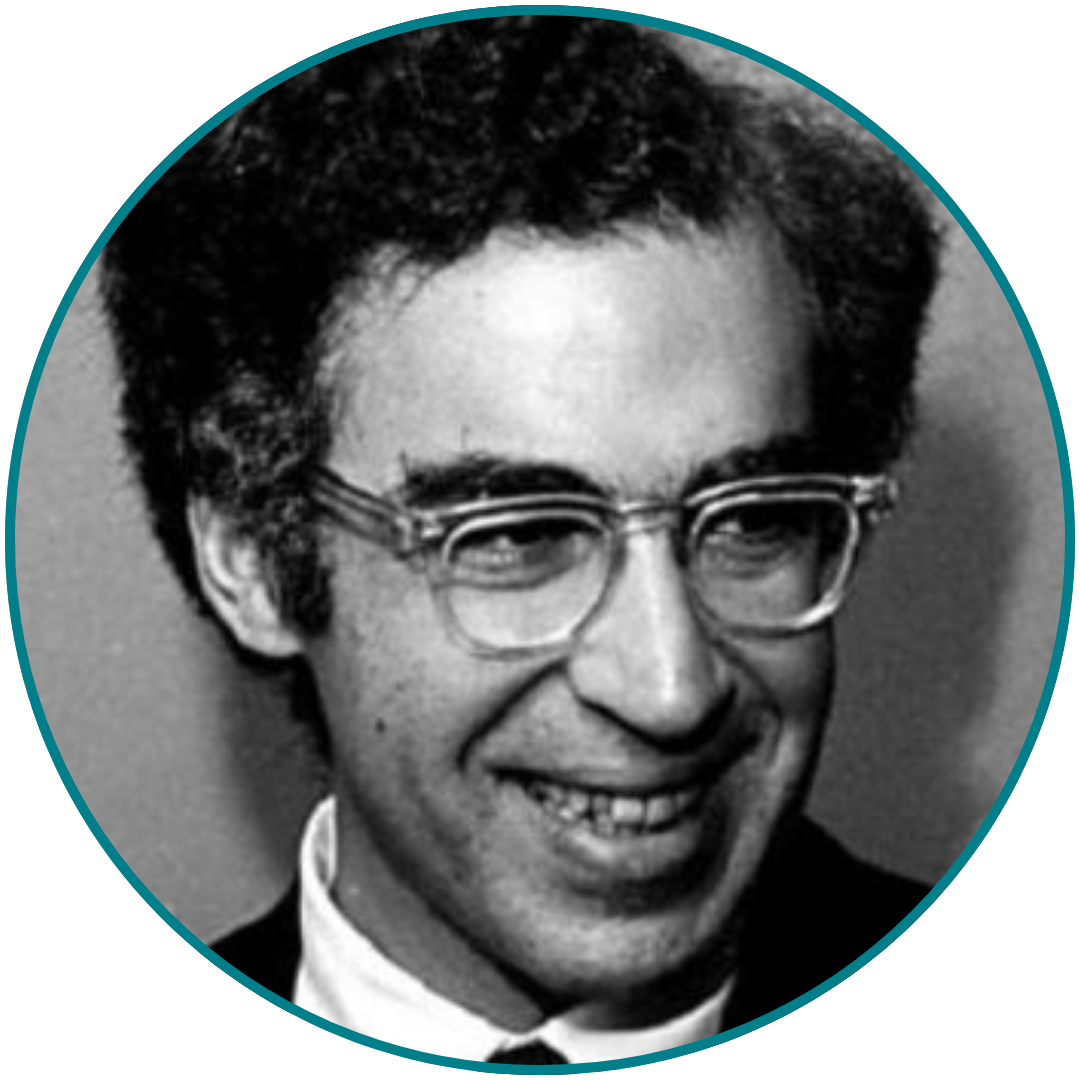
Donald Schön examined how professionals actually think and act within complex, uncertain environments where problems are ambiguous, evolving, and resistant to purely technical solutions.
He challenged the assumption that expertise consists primarily of applying formal knowledge or predefined techniques. Instead, Schön observed that practitioners frequently engage in reflection-in-action: improvisational learning and interpretation while situations are actively unfolding.
His work emphasized that real-world practice often involves navigating uncertainty, incomplete information, competing perspectives, and shifting conditions. Skilled practitioners continuously reinterpret situations, test hypotheses, adjust approaches, and reshape their understanding through interaction with the environment itself.
Schön also explored reflection-on-action: the process of revisiting experiences afterward to deepen understanding, surface assumptions, and improve future practice.
Rather than framing professional work as mechanical problem-solving, Schön positioned it as a reflective conversation with complex systems.
Relevance to Knowledge Flow
Schön’s work closely mirrors Knowledge Flow’s emphasis on adaptive learning within living systems.
Knowledge emerges through participation, reflection, experimentation, and ongoing reinterpretation rather than rigid adherence to static procedures. His concept of reflection-in-action reinforces the importance of maintaining awareness while acting under uncertainty.
Knowledge Flow depends on cultivating practitioners capable not only of execution, but of noticing, reframing, learning, and adapting as situations evolve in real time.