Library > Resources
The Library of Knowledge Flow
Books, talks, and people who are with you on the path -- as you move from knowledge stocks to living flow.

Your Companions on the Journey
Explore their insights and discover new perspectives on how to navigate the complexities of knowledge flow.

Adam Bellemare
Software architect focused on designing event-driven systems that coordinate and evolve through asynchronous interaction.

Al Switzler
Al Switzler is an author and consultant known for work on crucial conversations and behavior change.
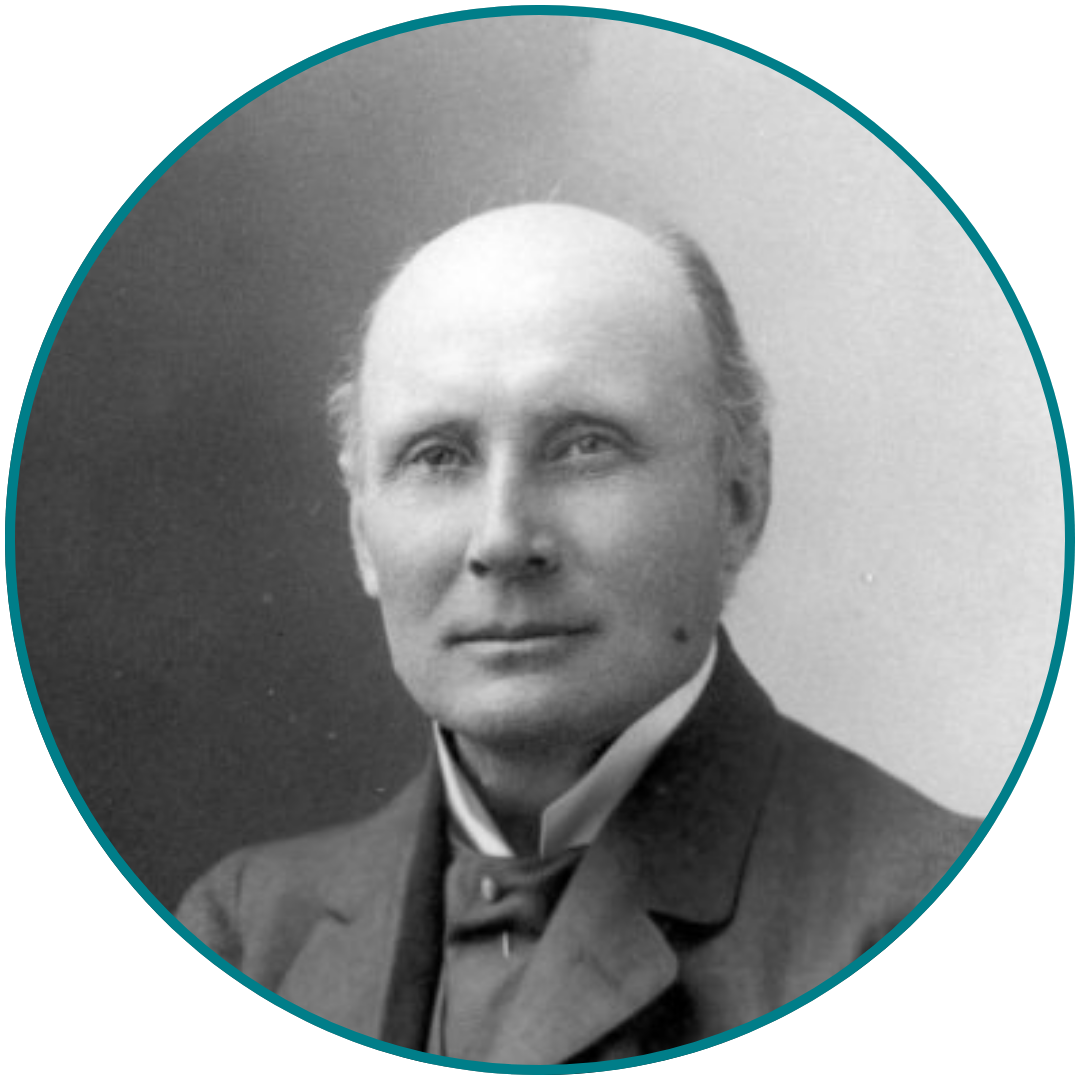
Alfred North Whitehead
Alfred North Whitehead developed a process-oriented philosophy that understood reality as dynamic, relational, and continually becoming rather than static and fixed.
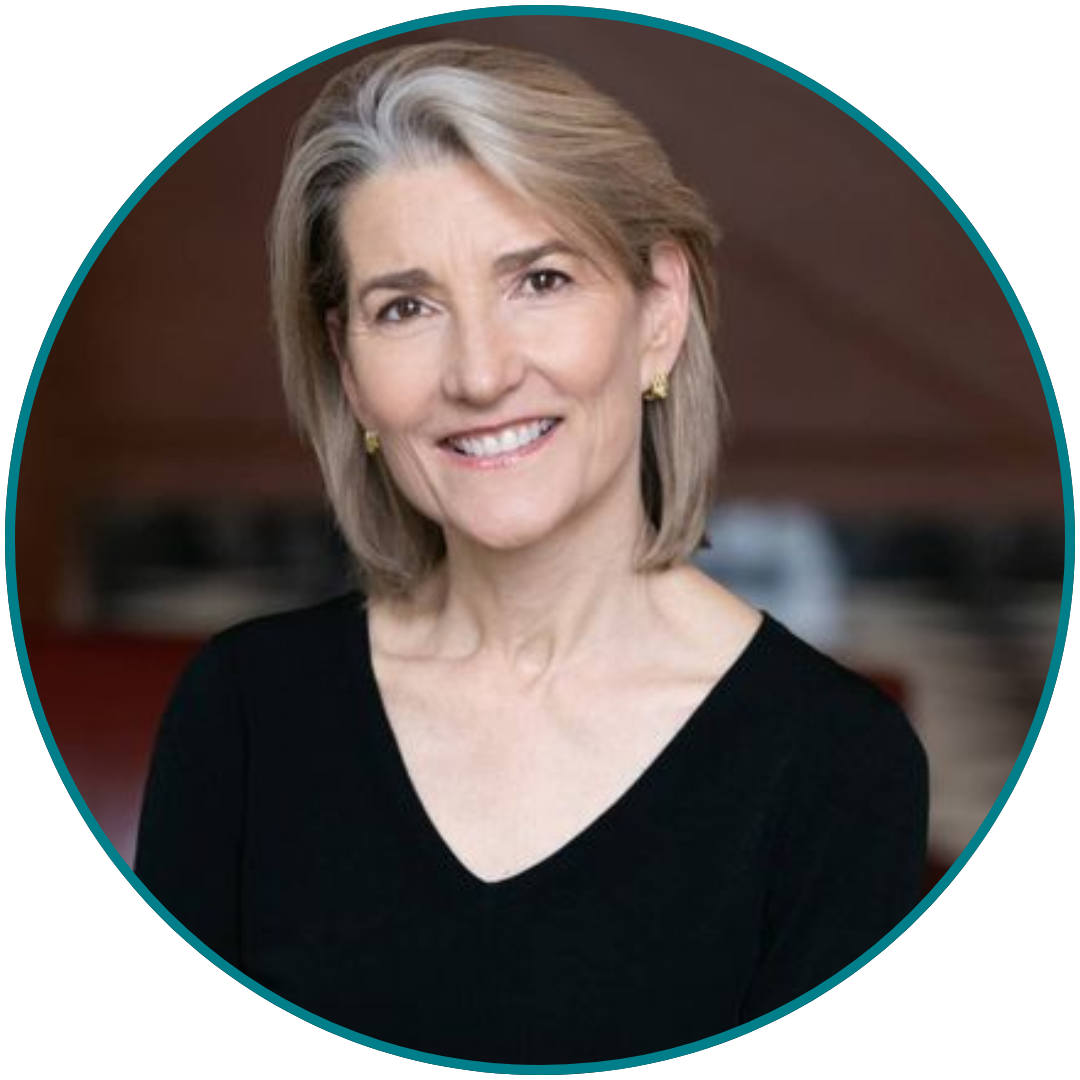
Amy Edmondson
Amy Edmondson studies psychological safety and organizational learning, focusing on how trust and interpersonal conditions shape a system’s ability to surface knowledge, uncertainty, and error.
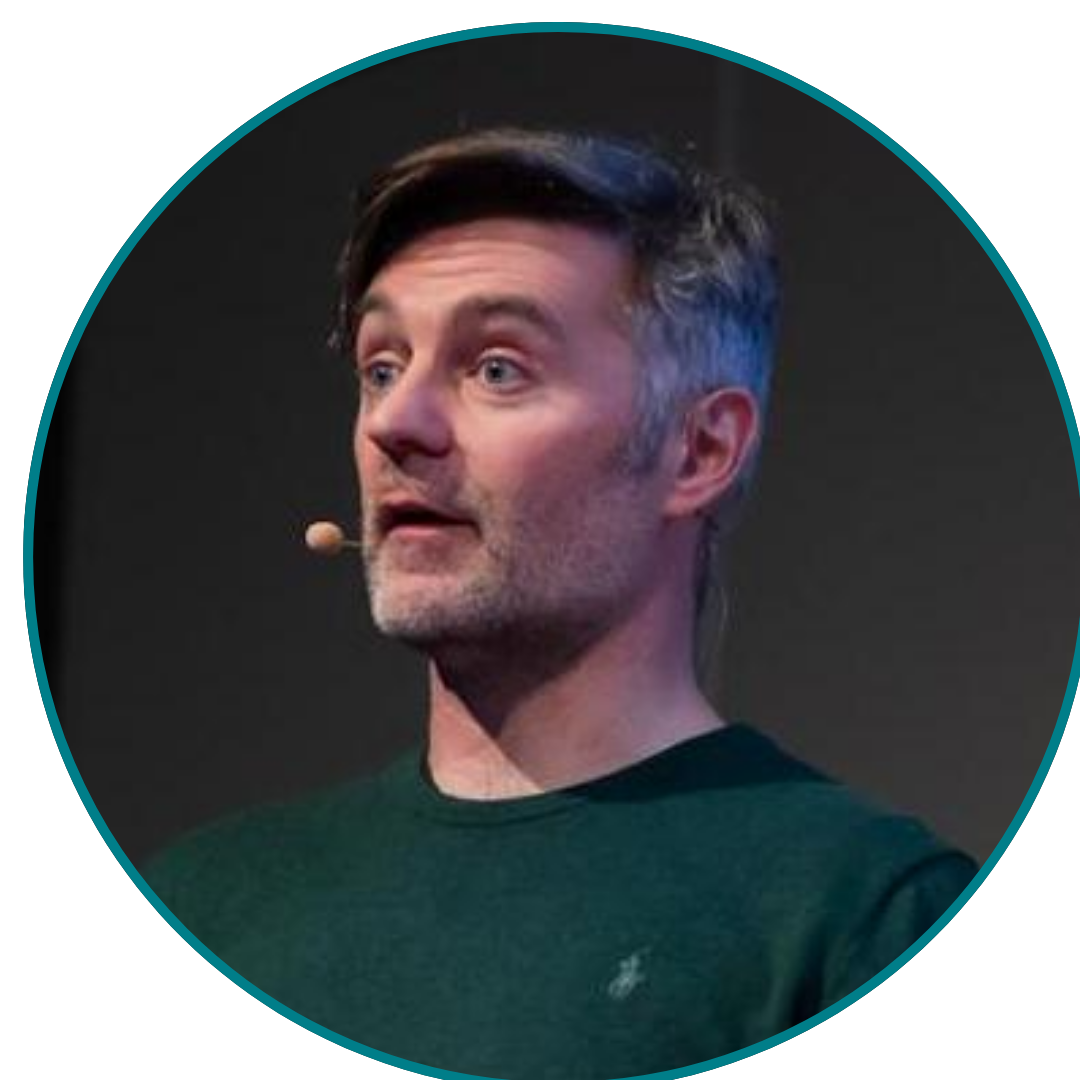
Andrew Harmel-Law
Andrew Harmel-Law is a software architect and author focused on facilitation, sociotechnical architecture, and collective decision-making.
Ann M. Pendleton-Jullian
Ann Pendleton-Jullian explores architecture as an evolving, adaptive process for shaping complex sociotechnical systems rather than static objects or fixed plans.
Annie Duke
Annie Duke explores decision-making under uncertainty, emphasizing probabilistic thinking, cognitive bias awareness, and the distinction between good decisions and good outcomes.
Atul Gawande
Atul Gawande is a surgeon, writer, and public health leader known for work on systems, safety, and medical practice.

Cal Newport
Cal Newport is a computer scientist and author focused on deep work, productivity, and knowledge work.

Cathy Birkenstein
Cathy Birkenstein is a writer and educator known for teaching academic argument through conversational templates.

Cathy O'Neil
Cathy O’Neil is a mathematician, data scientist, and author who investigates the societal impacts of algorithms and data-driven decision systems.
Chris Argyris
Chris Argyris explored how organizations and individuals learn, revealing how defensive routines and hidden assumptions often prevent genuine adaptation and reflection.
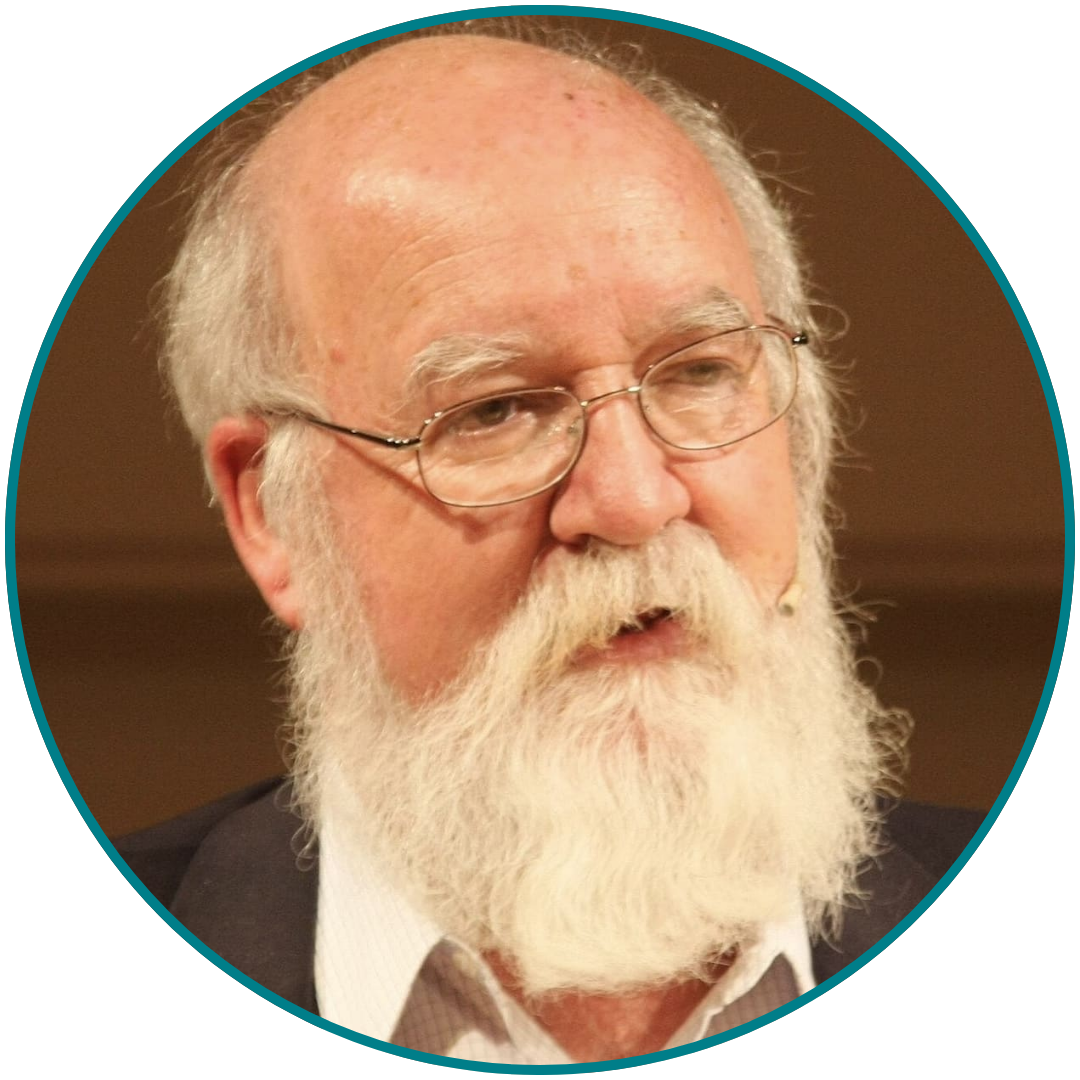
Daniel Dennett
Daniel Dennett was a philosopher and cognitive scientist known for work on consciousness, evolution, and thinking tools.
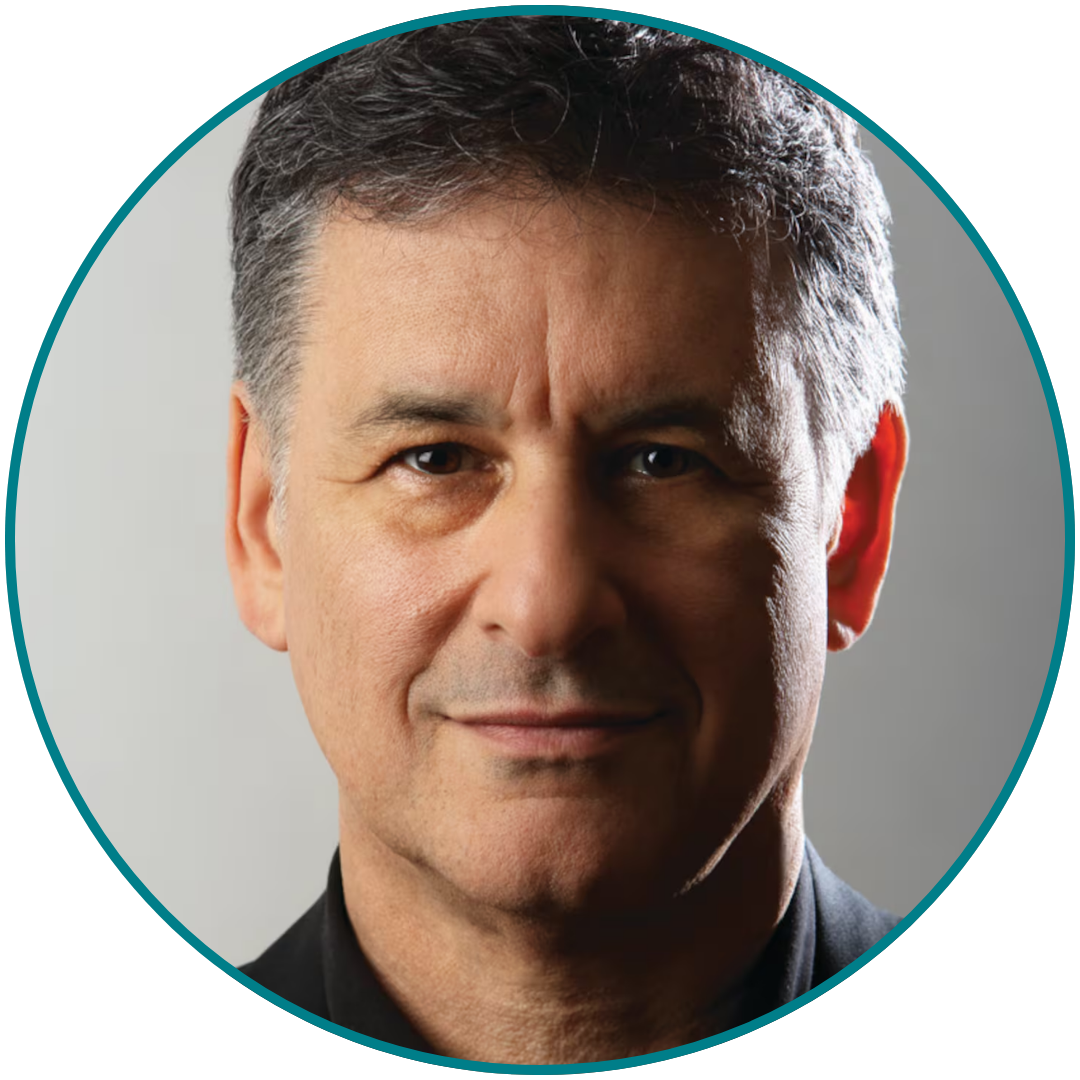
Daniel J. Levitin
Daniel J. Levitin is a neuroscientist, cognitive psychologist, musician, and author who studies attention, memory, and perception.
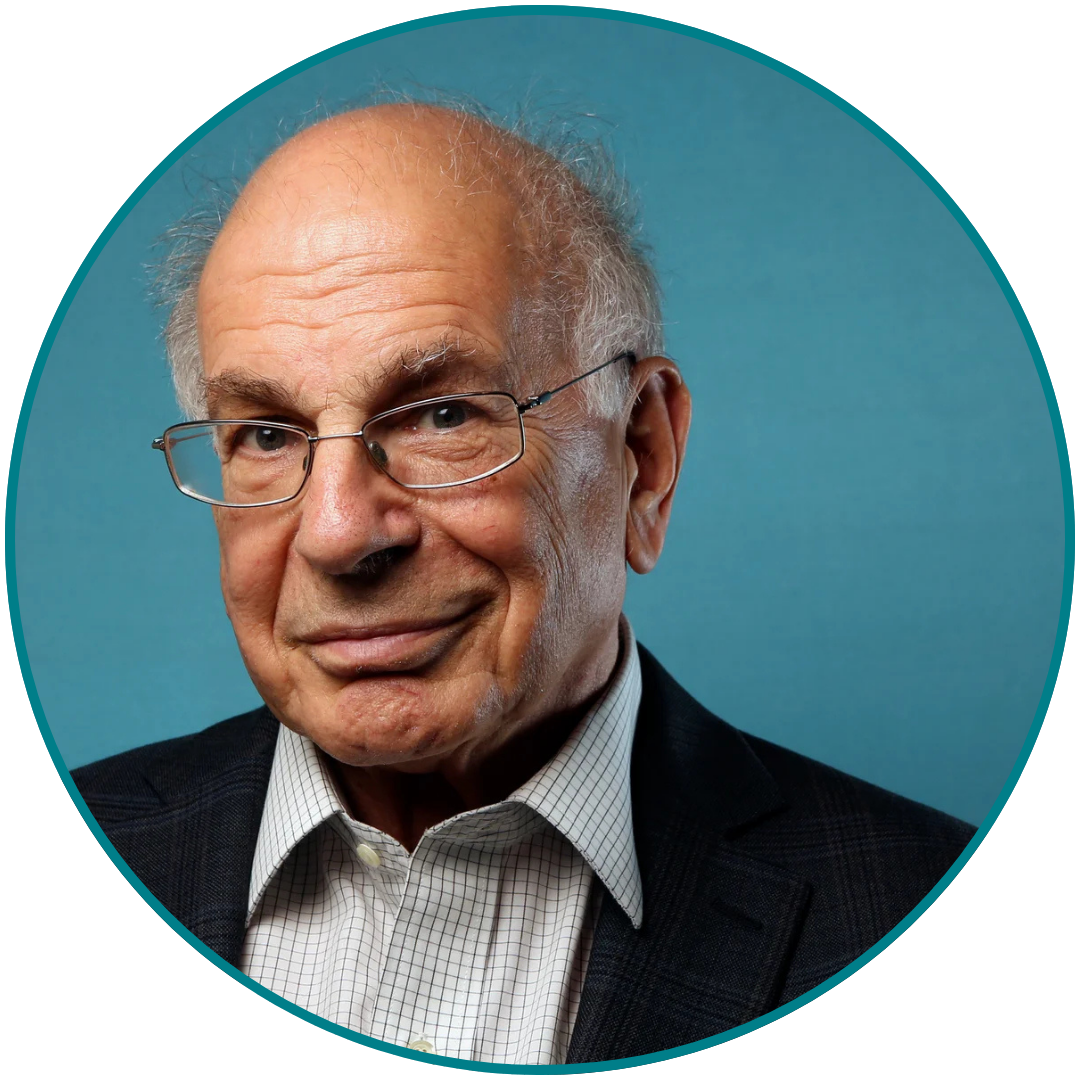
Daniel Kahneman
Daniel Kahneman was an Israeli-American author, psychologist, and economist notable for his work on hedonism, the psychology of judgment, and decision-making
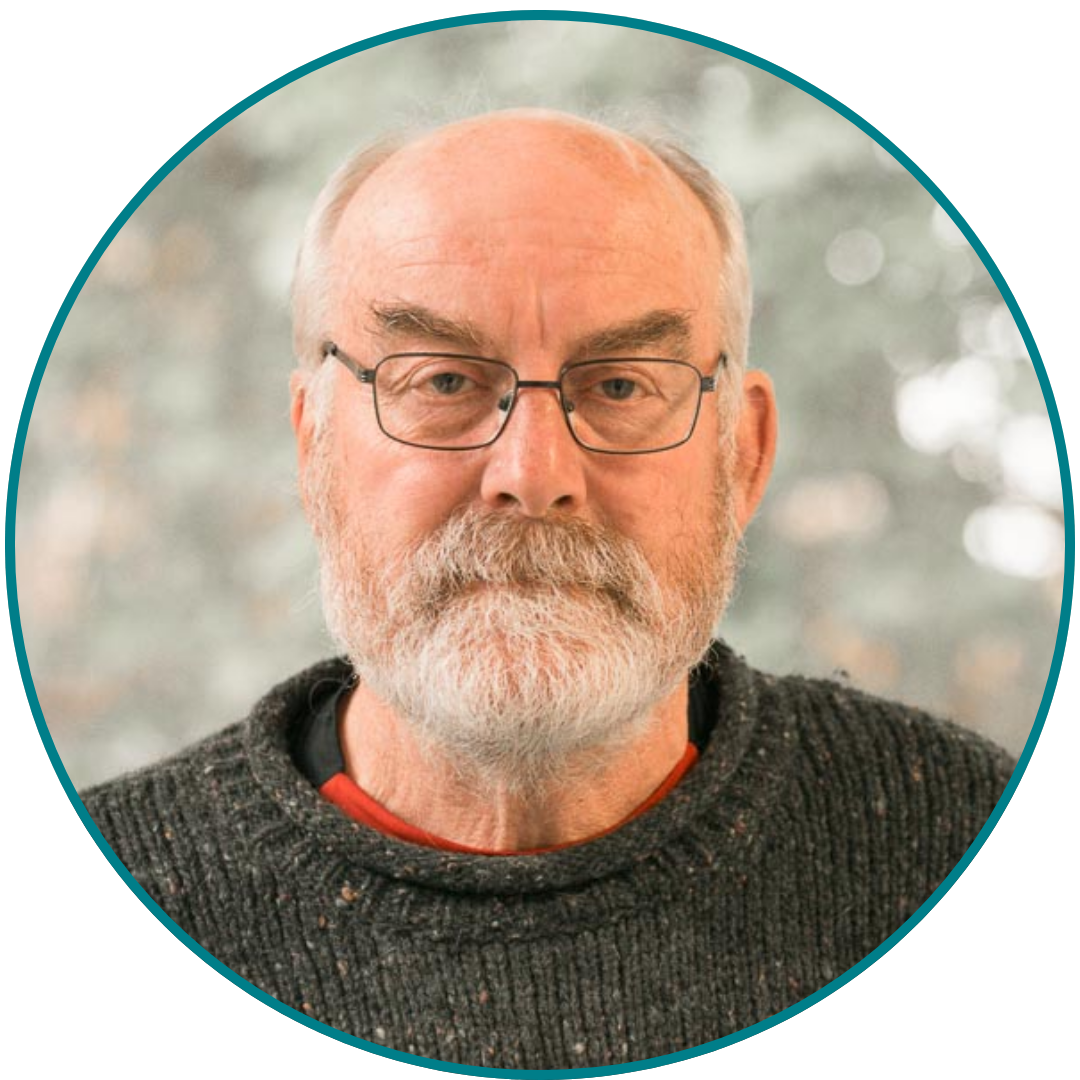
Dave Snowden
Dave Snowden explores complexity, sense-making, and decision-making in uncertain environments where outcomes cannot be fully predicted or controlled in advance.
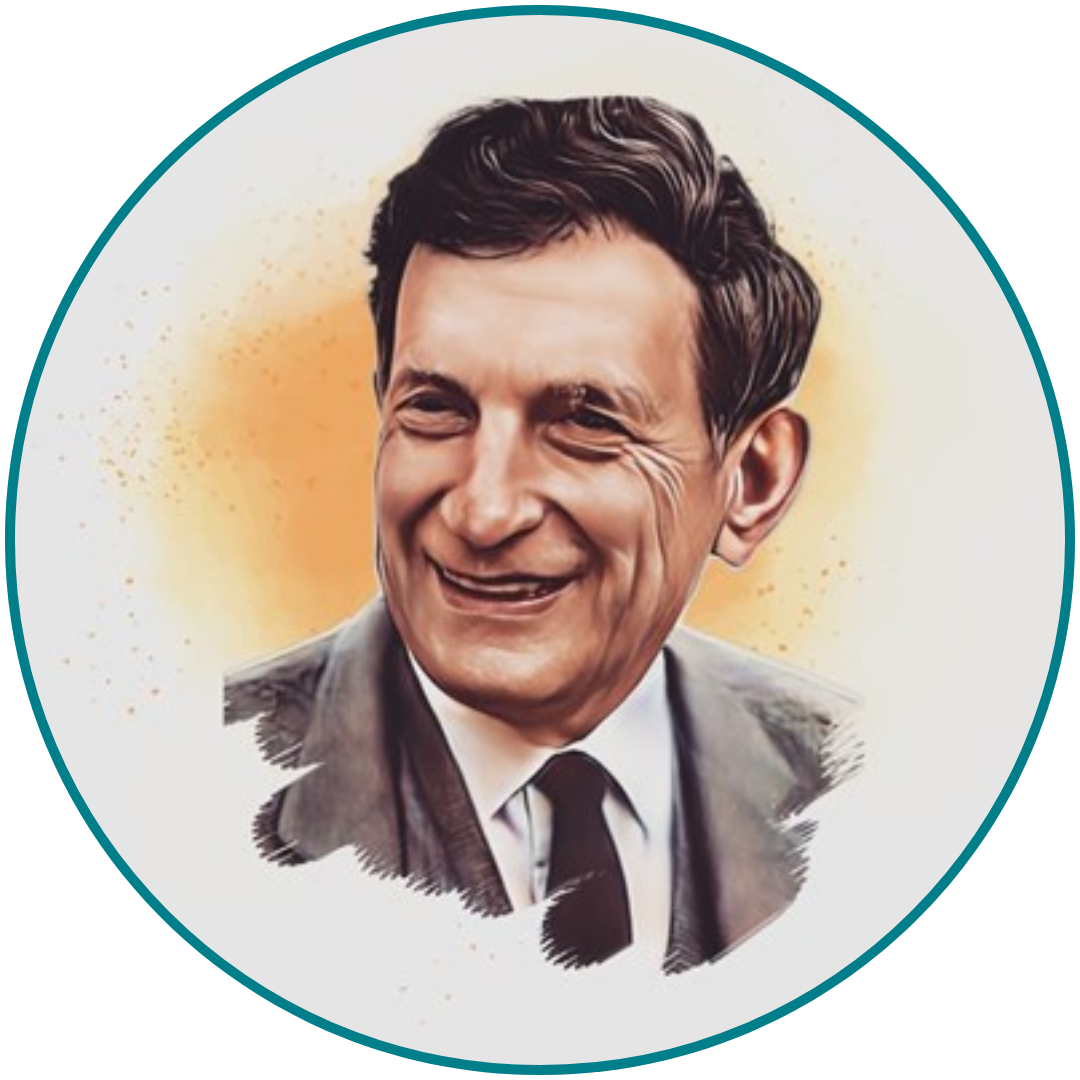
David Bohm
David Bohm was a theoretical physicist and philosopher whose work explored dialogue, thought, wholeness, and collective inquiry.

David Epstein
David Epstein is a science journalist and author whose work explores learning, expertise, generalization, and the value of broad knowledge across complex domains.

David Kolb
David Kolb is an educational theorist known for experiential learning theory and learning styles research.

David Marquet
David Marquet explores leadership as the creation of systems that distribute thinking, ownership, and adaptive capacity rather than concentrating authority and control.
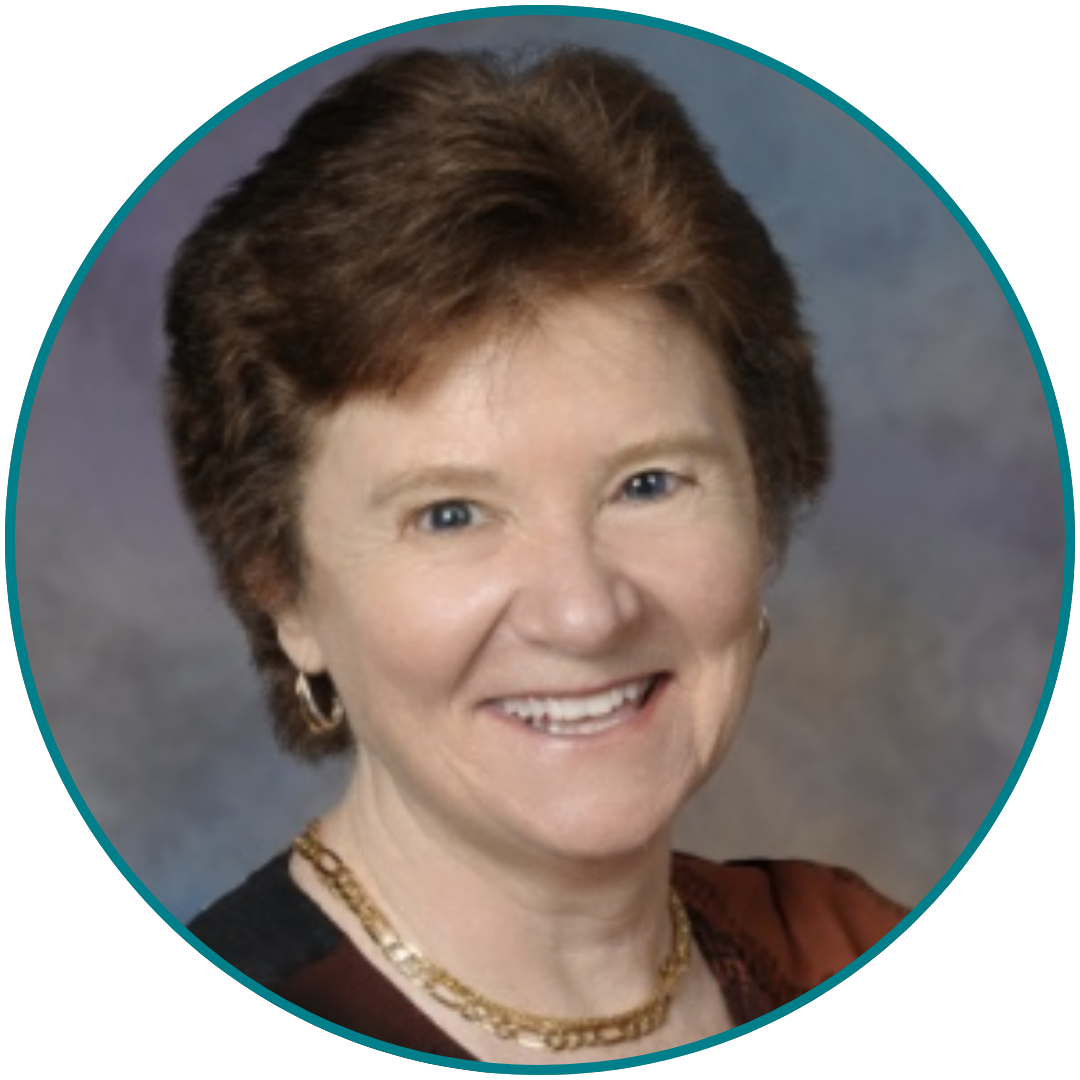
Deborah McGuinness
Deborah McGuinness is a computer scientist whose work focuses on knowledge representation, ontologies, provenance, and explainable systems.
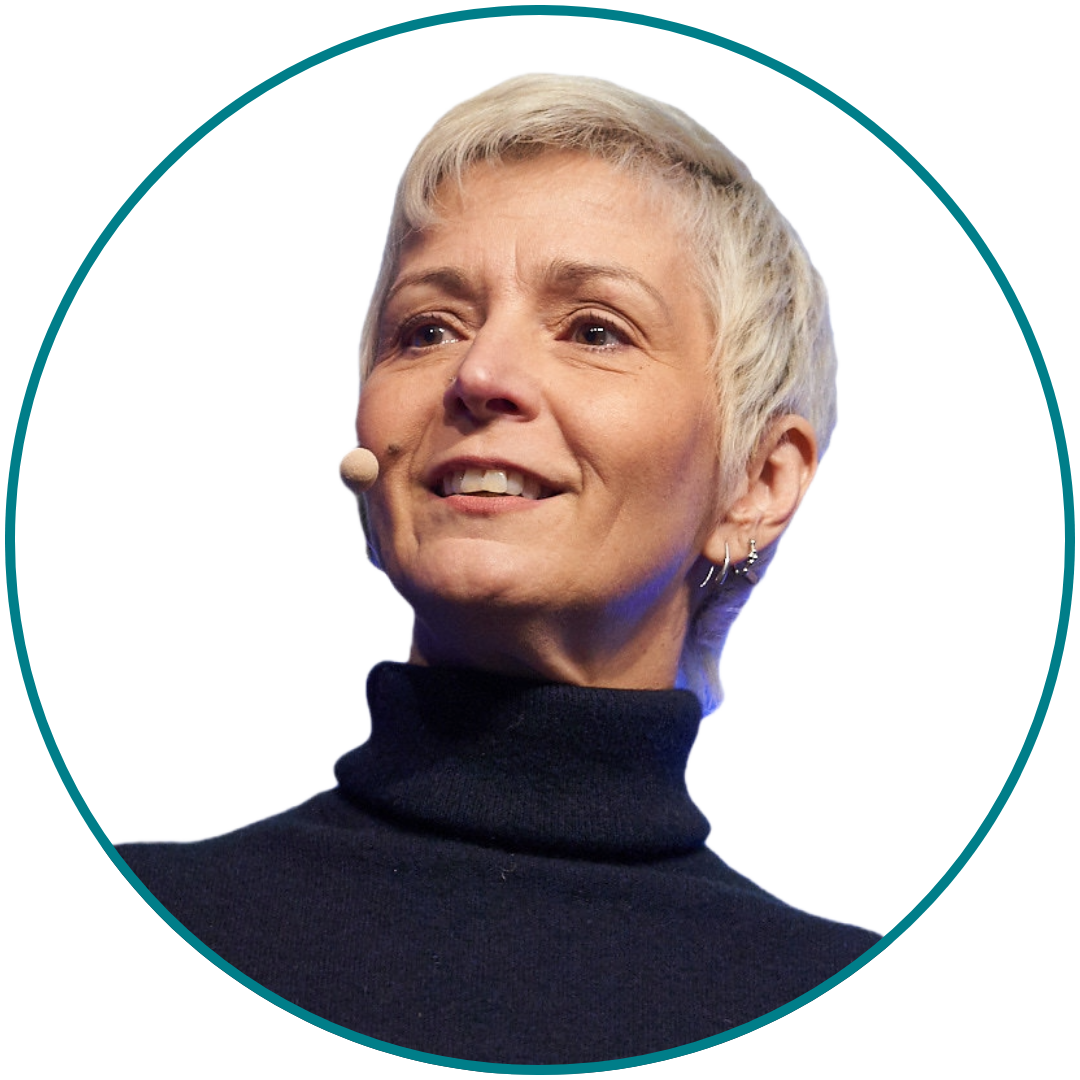
Diana Montalion
Diana Montalion is a systems architect, software engineer, author, and educator focused on helping organizations think, decide, and build more coherently in the face of complexity.
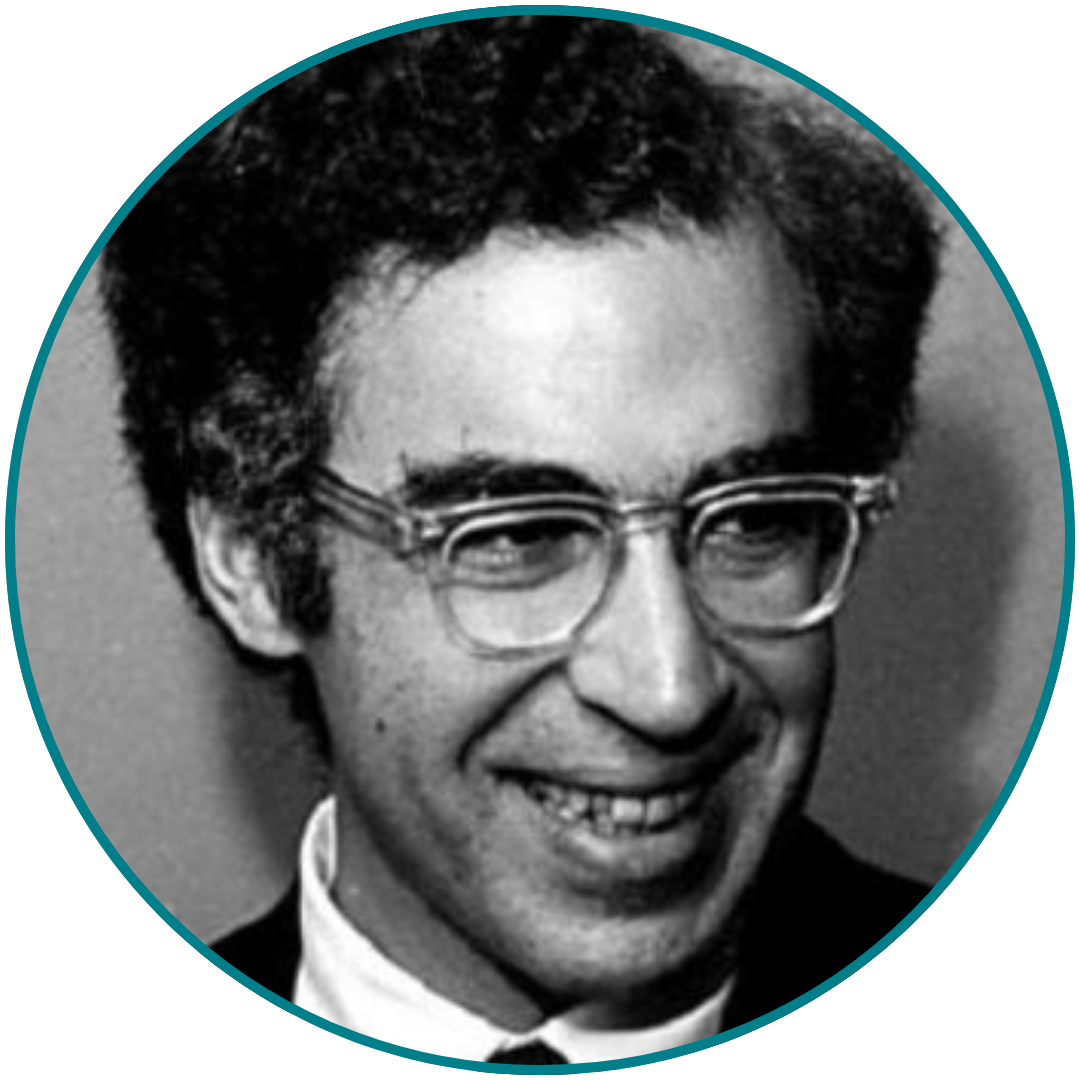
Donald Schon
Donald Schön explored reflective practice, revealing how professionals navigate uncertainty, ambiguity, and evolving situations through ongoing reflection within action itself.

Donella H. Meadows
Donella Meadows helped make systems thinking accessible by revealing how feedback loops, delays, leverage points, and mental models shape the behavior of complex systems over time.
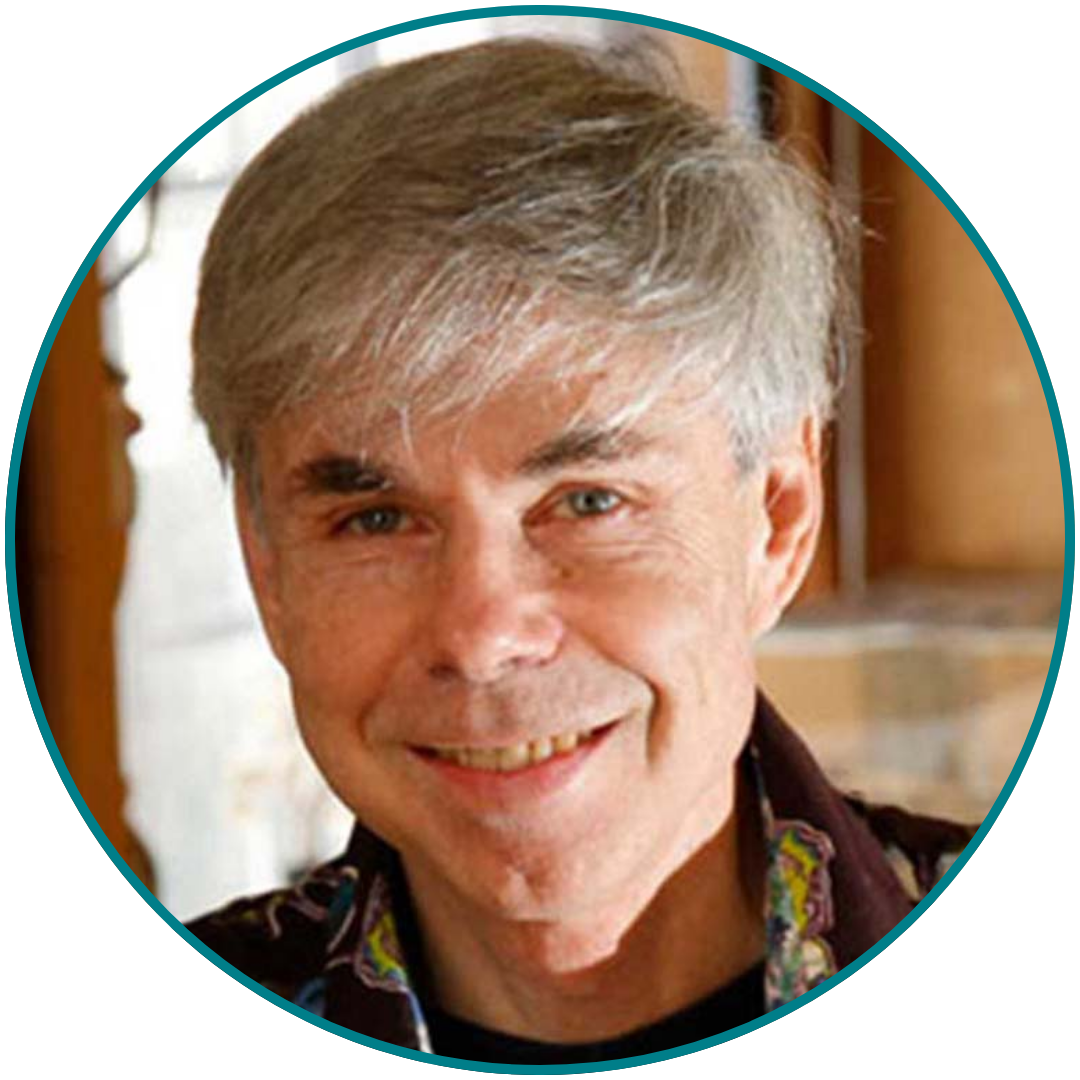
Douglas Hofstadter
Douglas Hofstadter explores analogy, recursion, consciousness, and meaning-making through playful, interdisciplinary inquiry.
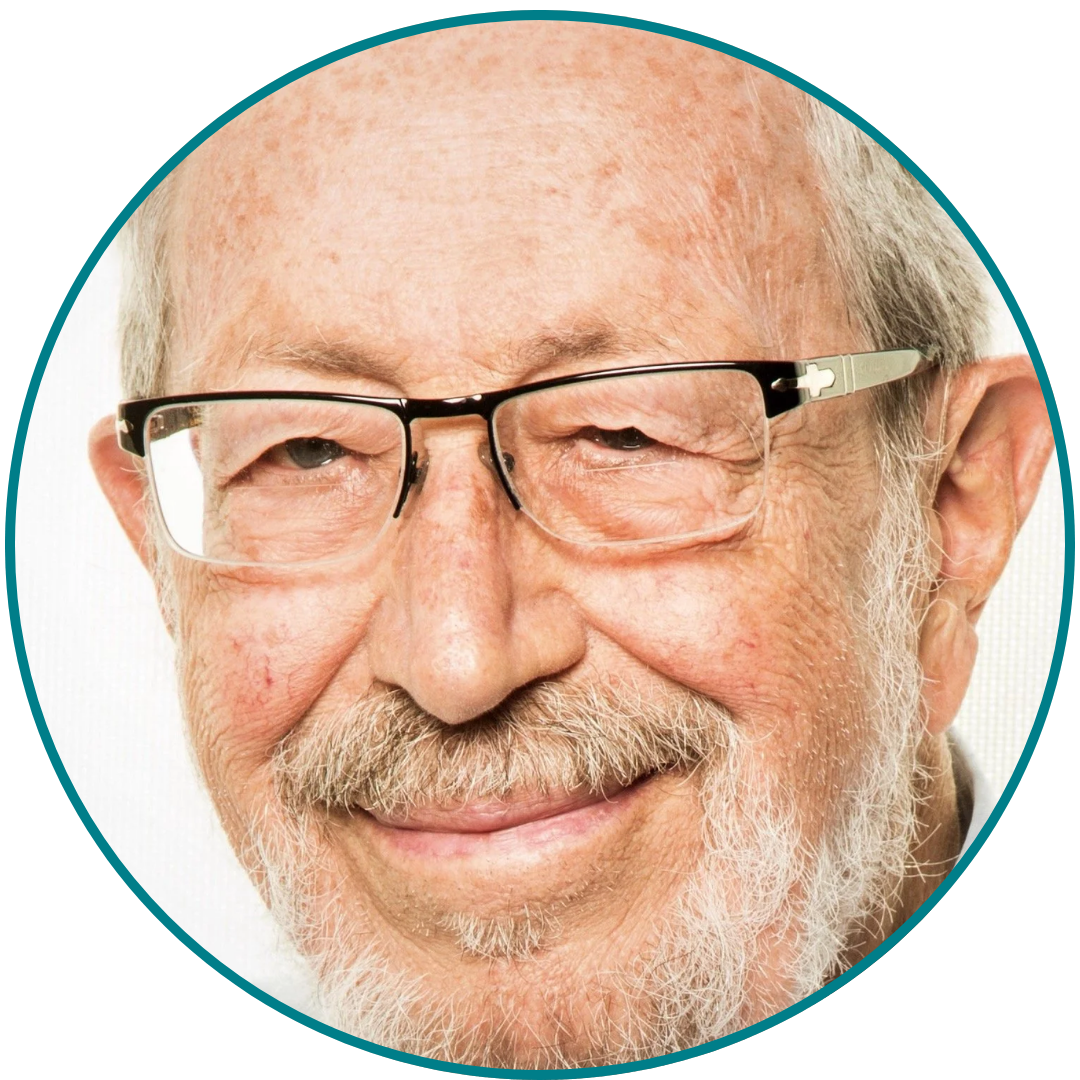
Edgar Schein
Edgar Schein explored organizational culture as a system of shared assumptions that shapes perception, behavior, learning, and the ability of groups to adapt over time.
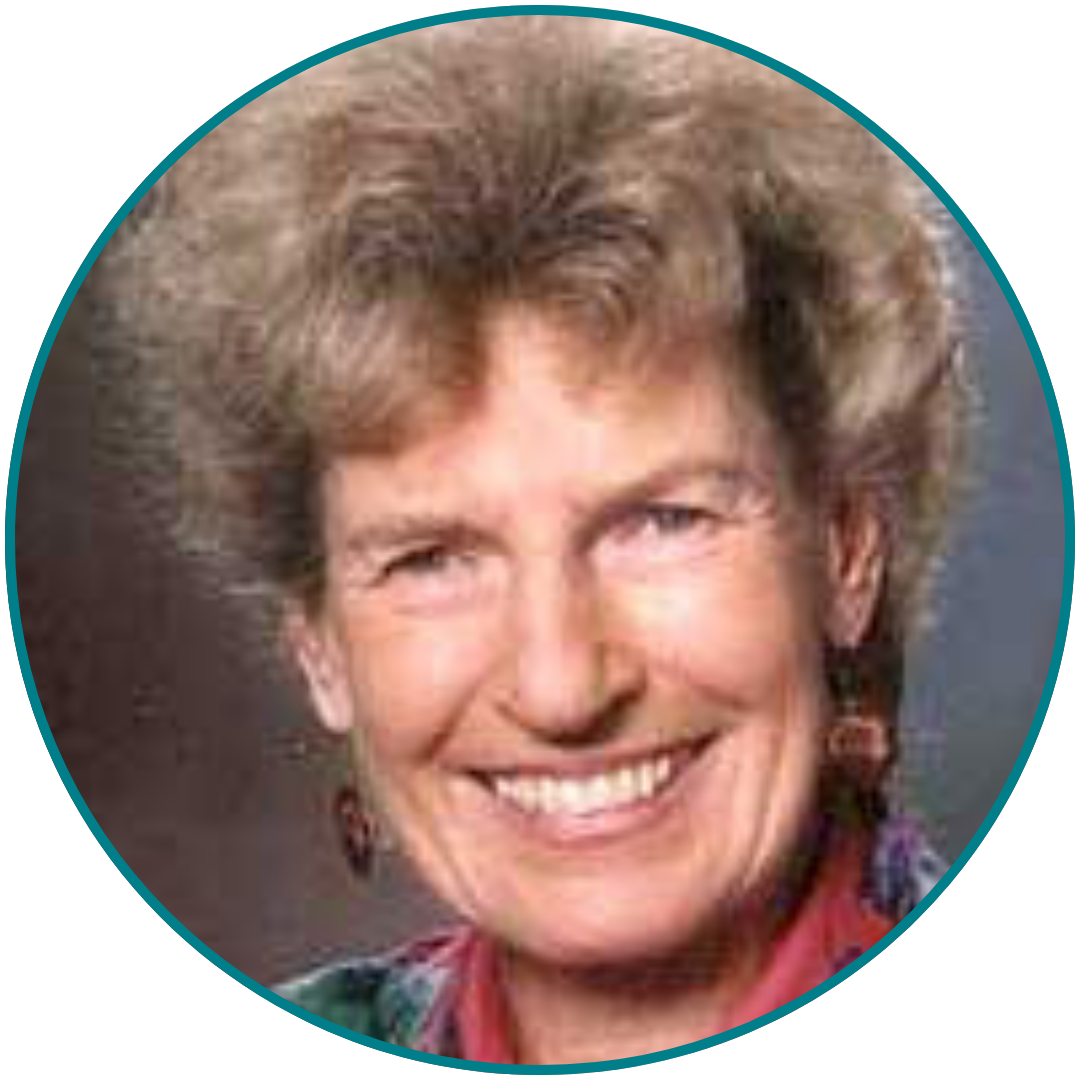
Enid Mumford
Enid Mumford pioneered sociotechnical systems thinking that centered human participation, democratic design, and organizational learning within technological systems.
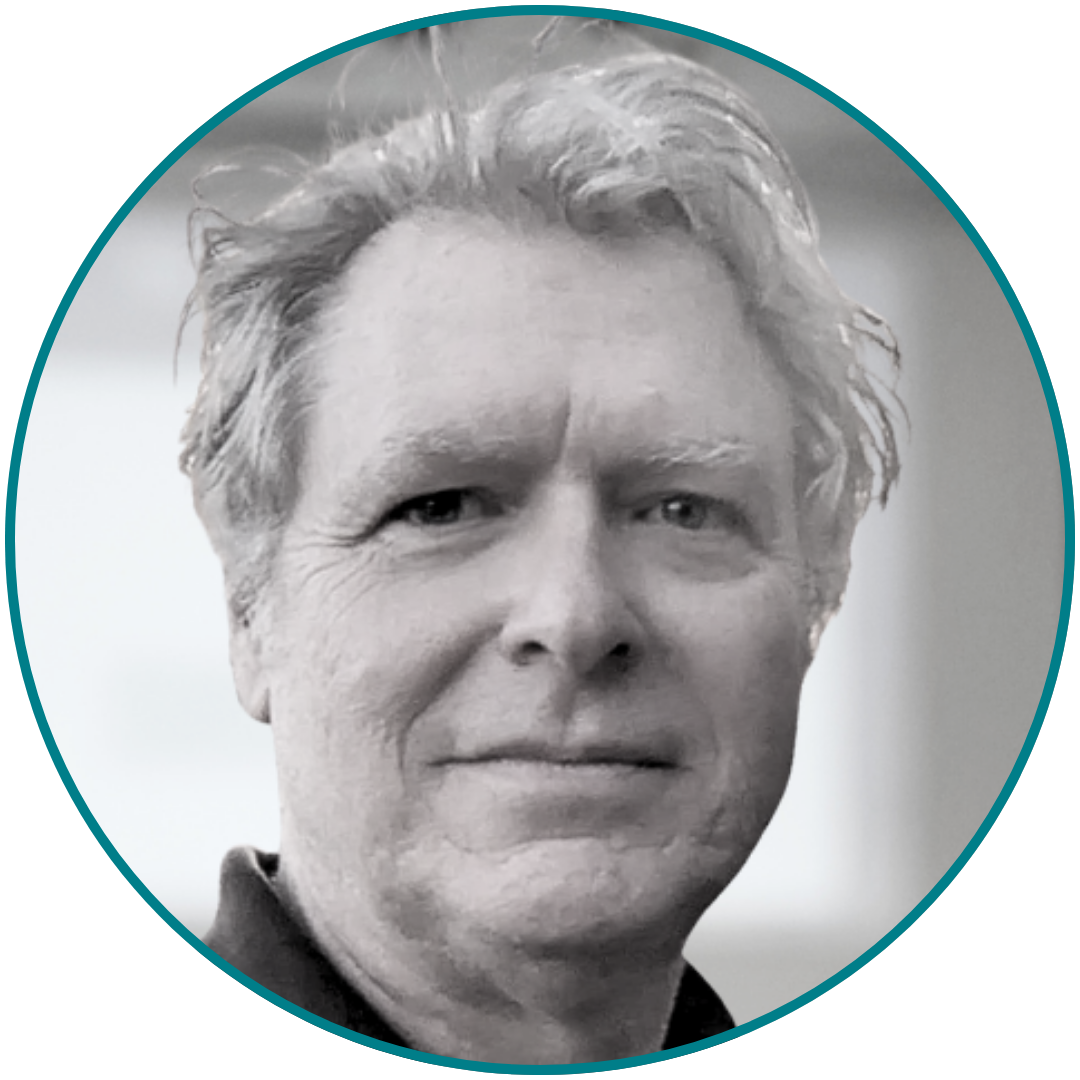
Eric Evans
Eric Evans is a software designer and author known for Domain-Driven Design.
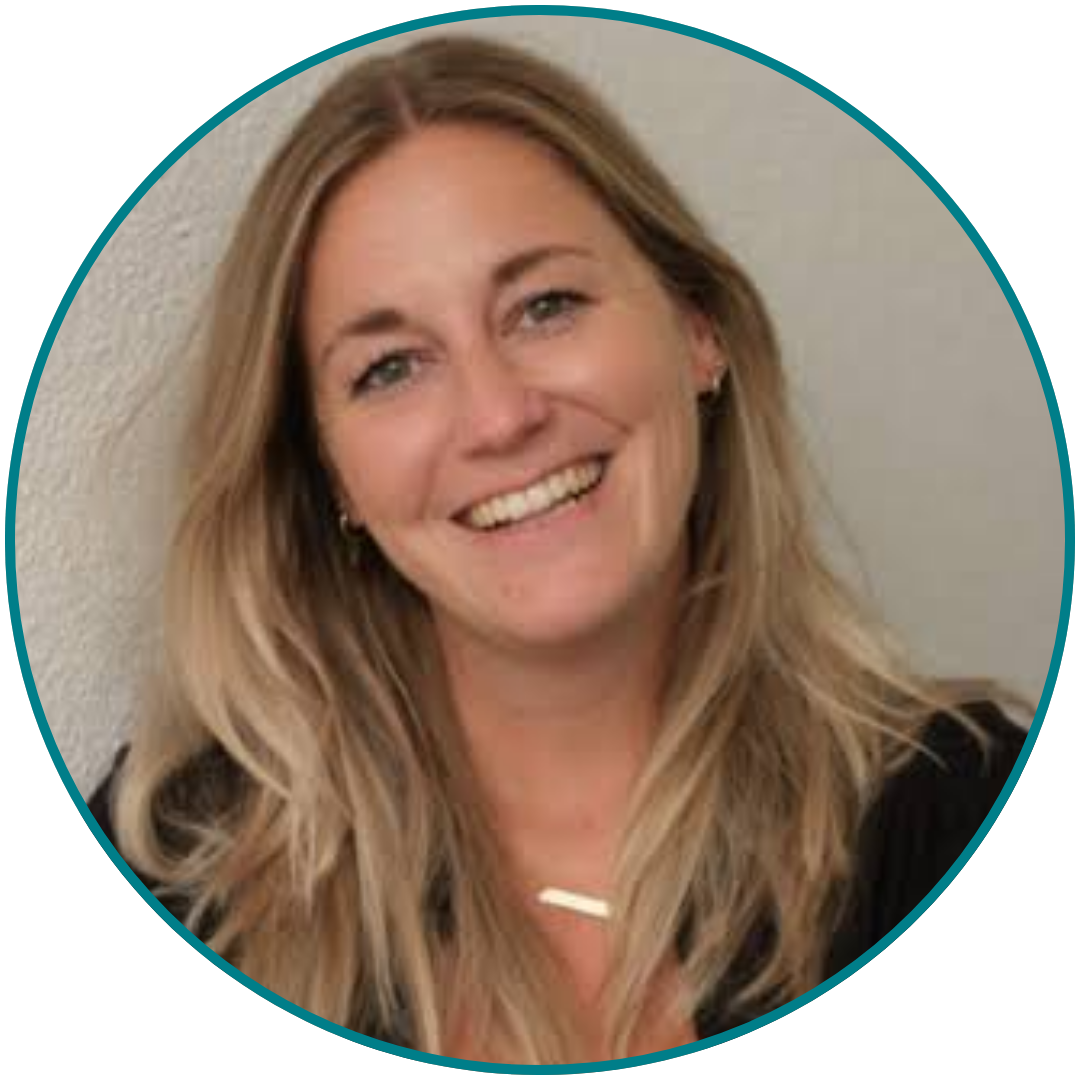
Evelyn van Kelle
Evelyn van Kelle is a software designer and facilitator focused on collaborative modeling, domain-driven design, and sociotechnical systems.
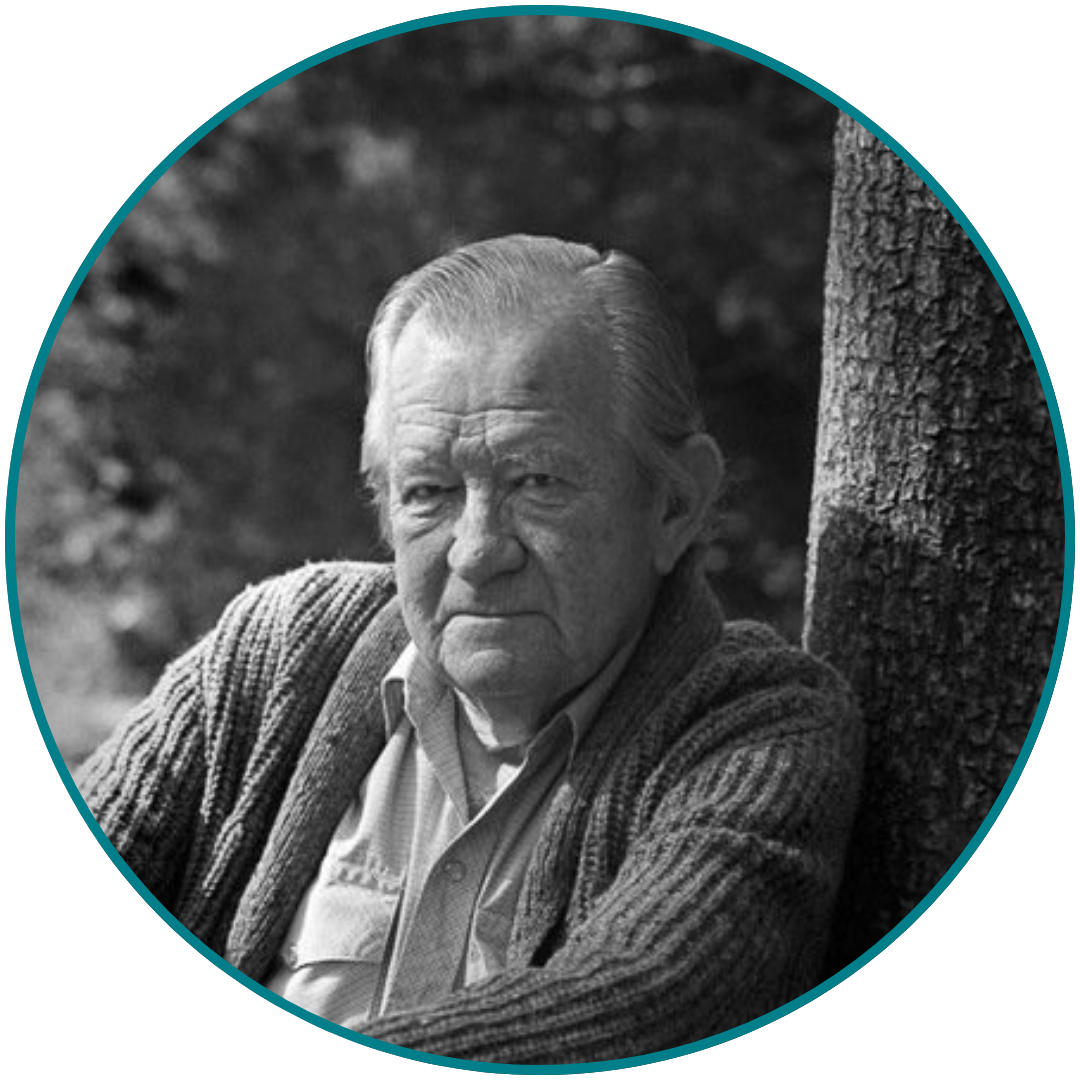
Fred Emery
Fred Emery was a foundational sociotechnical systems thinker whose work helped establish joint optimization, participatory design, and open systems thinking as core principles of organizational design.
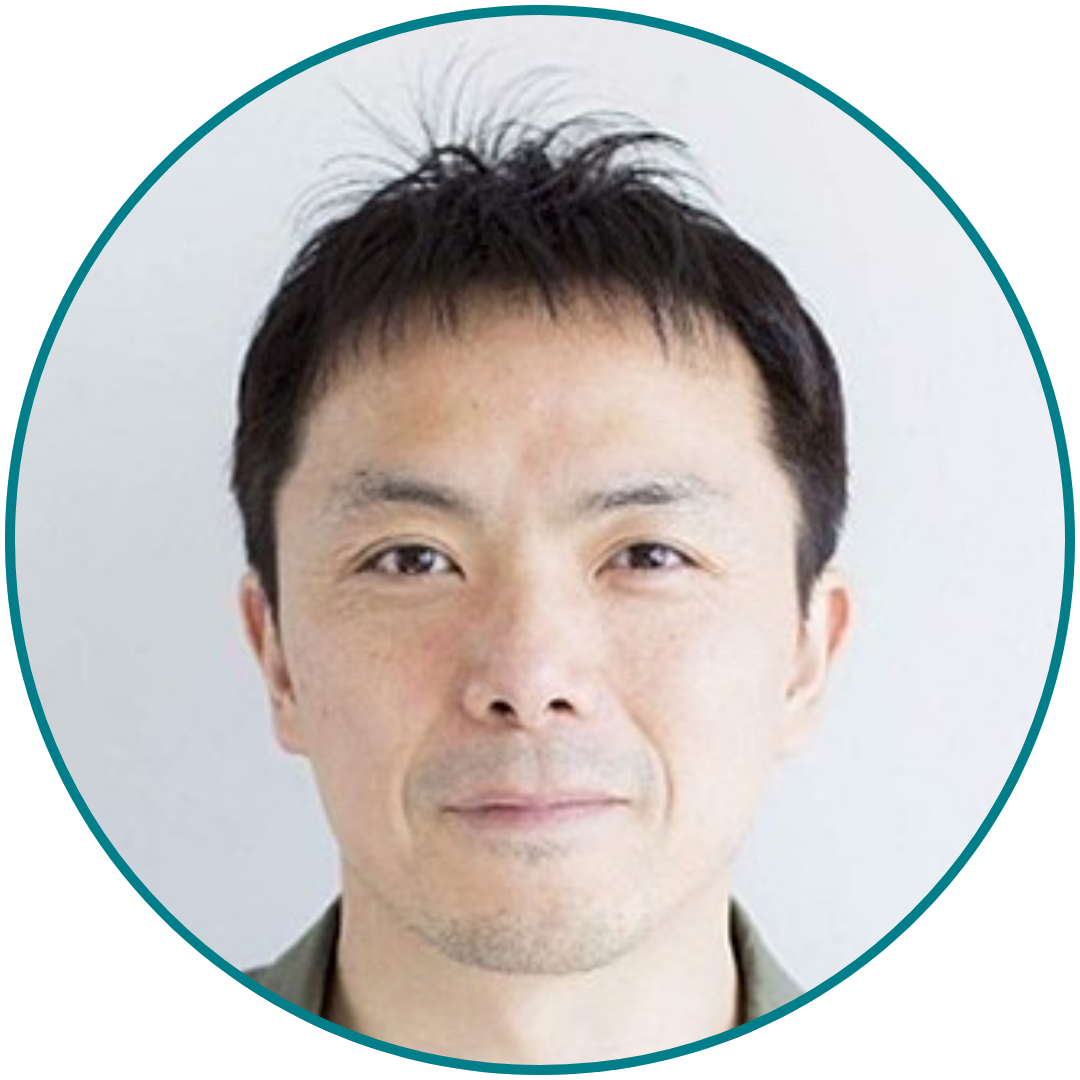
Fumitake Koga
Fumitake Koga is a writer known for presenting Adlerian psychology through accessible dialogue.

Gary Klein
Gary Klein is a cognitive psychologist known for naturalistic decision-making, expertise, and sensemaking research.

Geoffrey West
Geoffrey West brings a quantitative, systems-based lens to how size shapes life, cities, and organizations. His work on scaling laws exposes the patterns and constraints that govern rates, lifespans, and resource use across biological and social systems.
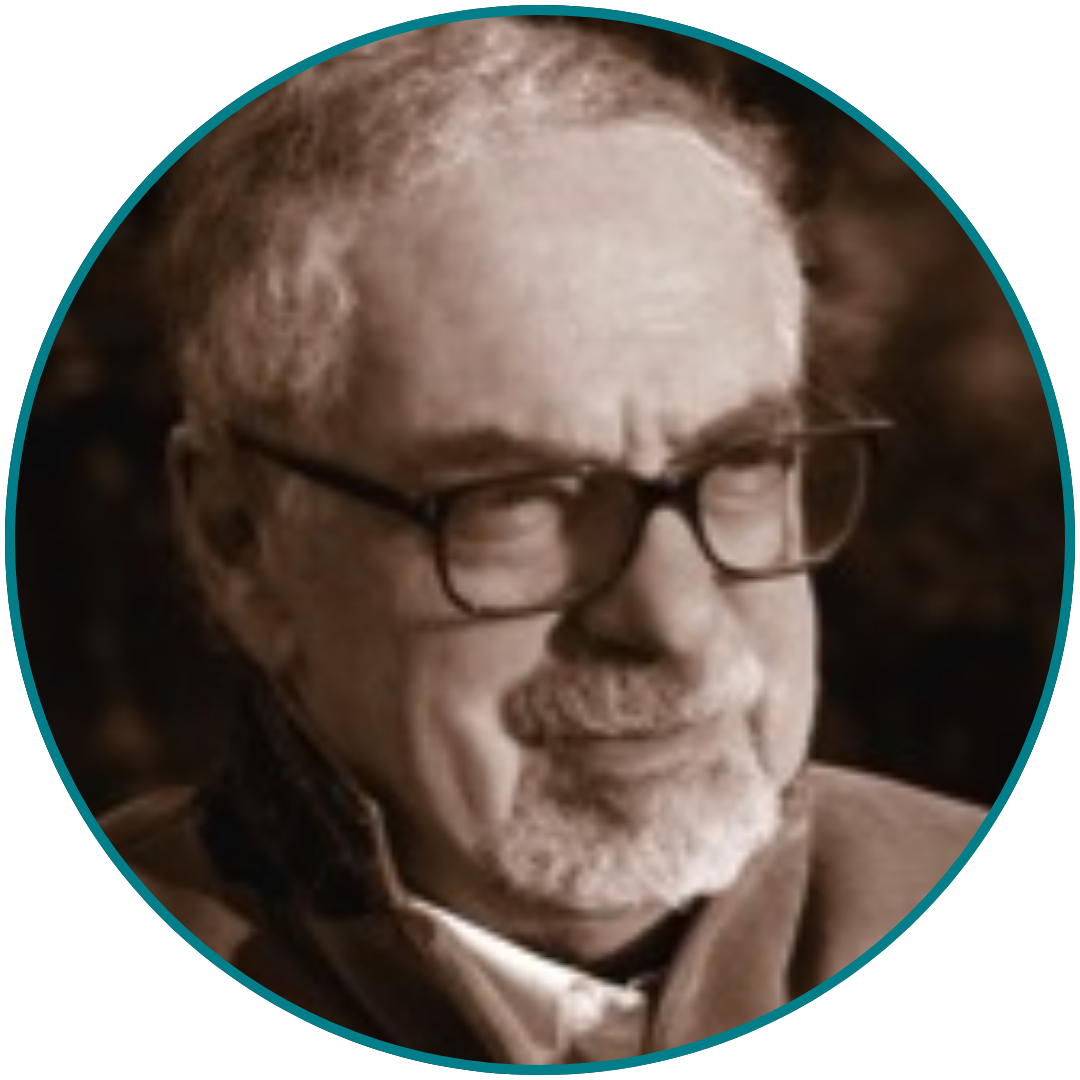
Gerald Graff
Gerald Graff is a scholar of literature and education known for work on academic argument and intellectual conversation.
Gien Verschatse
Gien Verschatse is a software consultant and facilitator focused on collaborative domain modeling and software design.
Gregory Colomb
Gregory Colomb was a scholar of rhetoric and writing known for work on research, argument, and communication.
H. L. Mencken
H. L. Mencken was a journalist, essayist, cultural critic, and public intellectual known for his sharp skepticism, incisive prose, and relentless examination of American politics, culture, and public opinion.
Howard Raiffa
Howard Raiffa was a pioneer in decision analysis, negotiation, and behavioral decision theory.
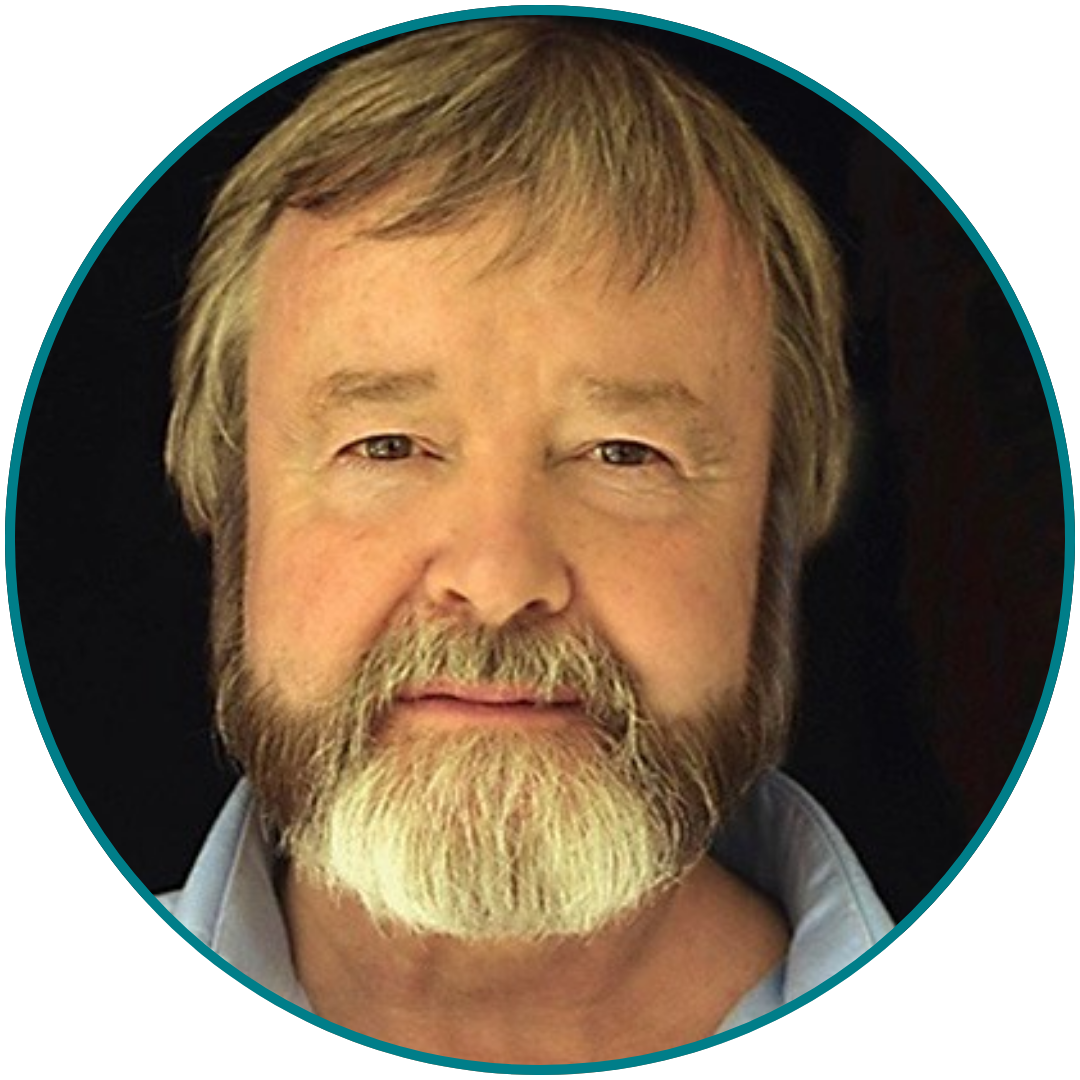
Iain McGilchrist
Iain McGilchrist explores attention, perception, and the divided brain, arguing that different modes of attention shape different ways of experiencing reality.
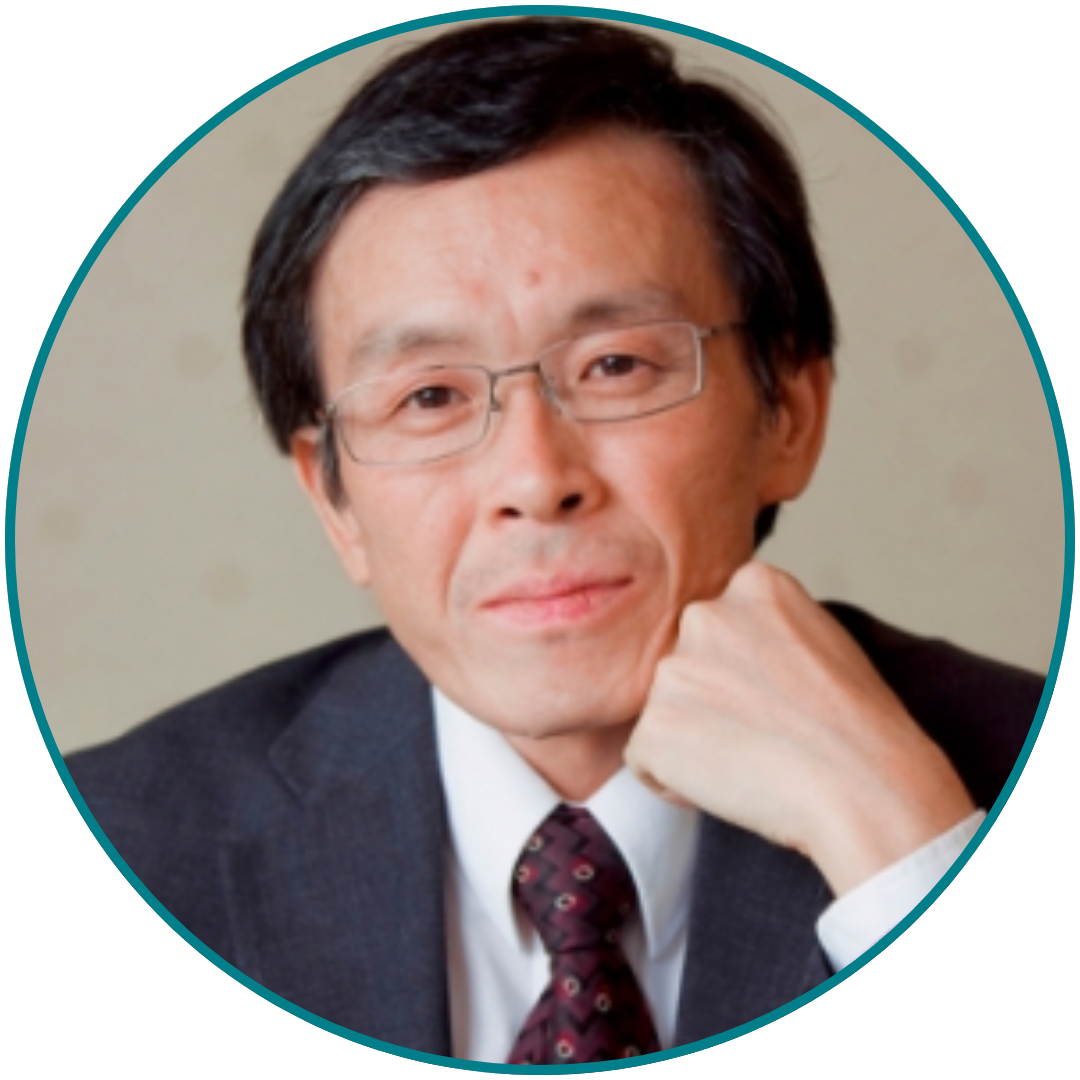
Ichiro Kishimi
Ichiro Kishimi is a philosopher and Adlerian psychology scholar known for The Courage to Be Disliked.

James C. Scott
James C. Scott was a political scientist and anthropologist whose work explored power, institutions, local knowledge, resistance, and the relationship between formal systems and lived experience.
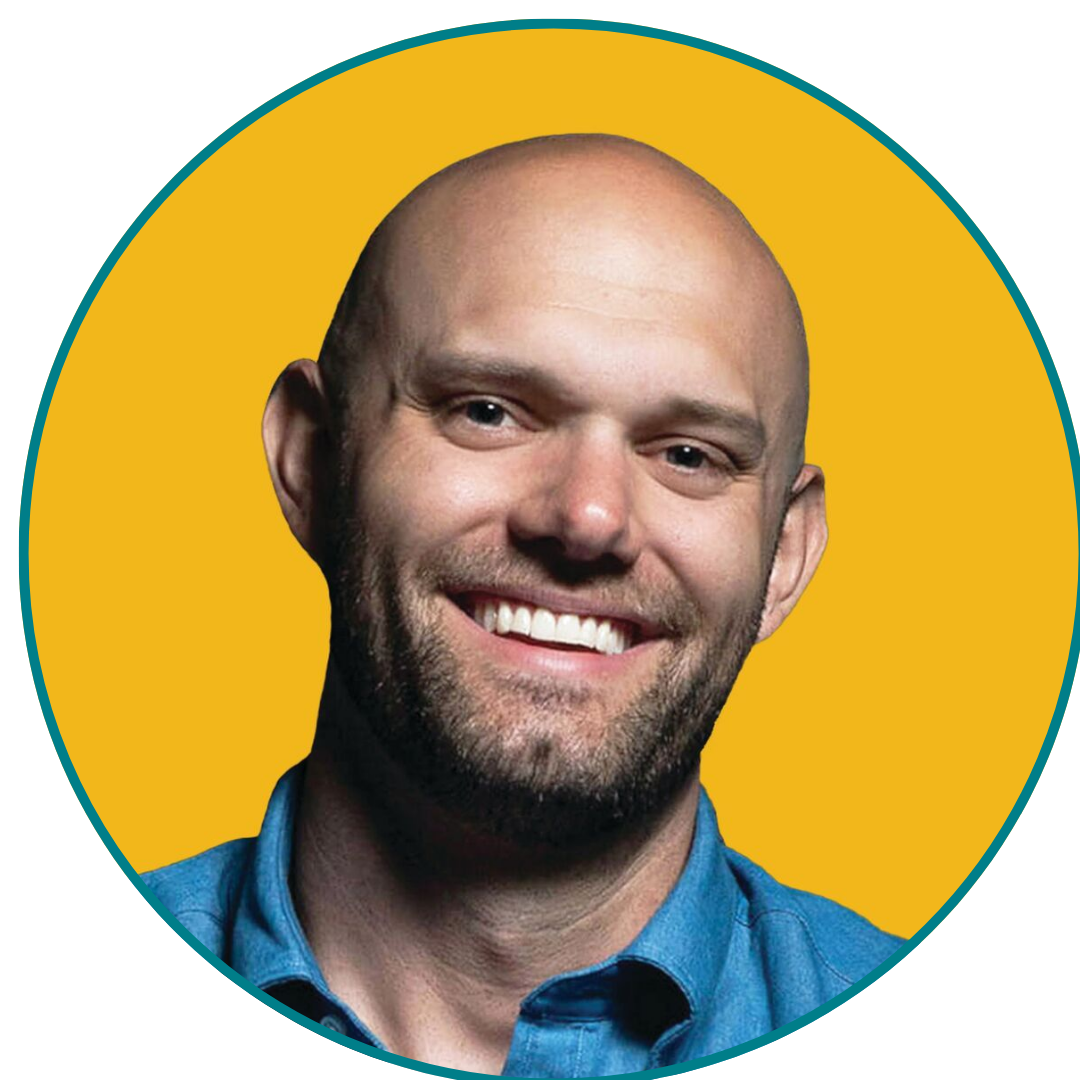
James Clear
James Clear is a writer and speaker focused on habits, behavior change, and continuous improvement.
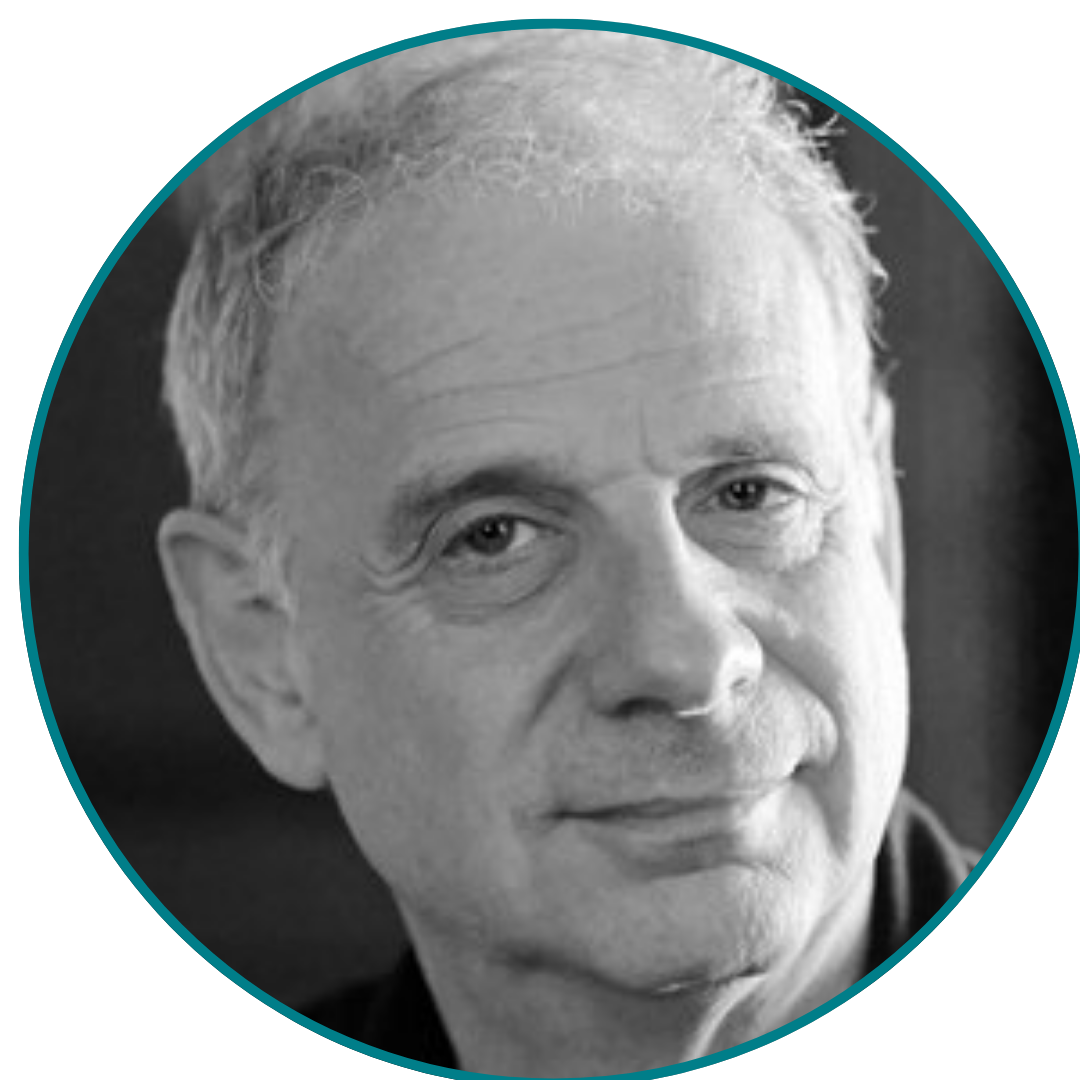
James Gleick
James Gleick is a science writer and historian known for books on chaos theory, information, and time.
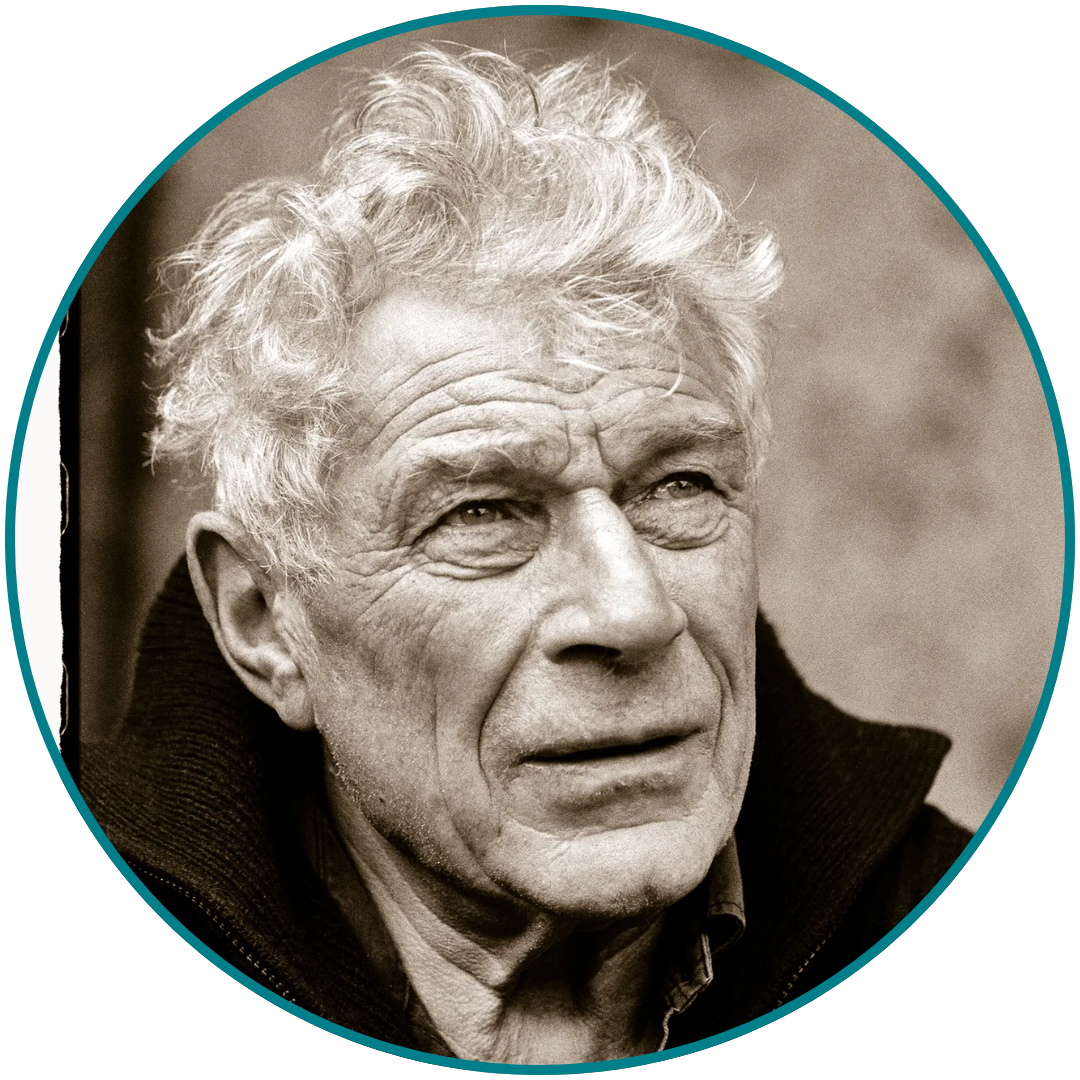
John Berger
John Berger examined how perception, culture, power, and image-making shape what people are able to see and understand.

John Dunlosky
John Dunlosky is a psychologist known for research on metacognition, learning strategies, and self-regulated learning.

John H. Miller
John H. Miller is a social scientist and complexity researcher known for work on complex adaptive systems and computational social science.
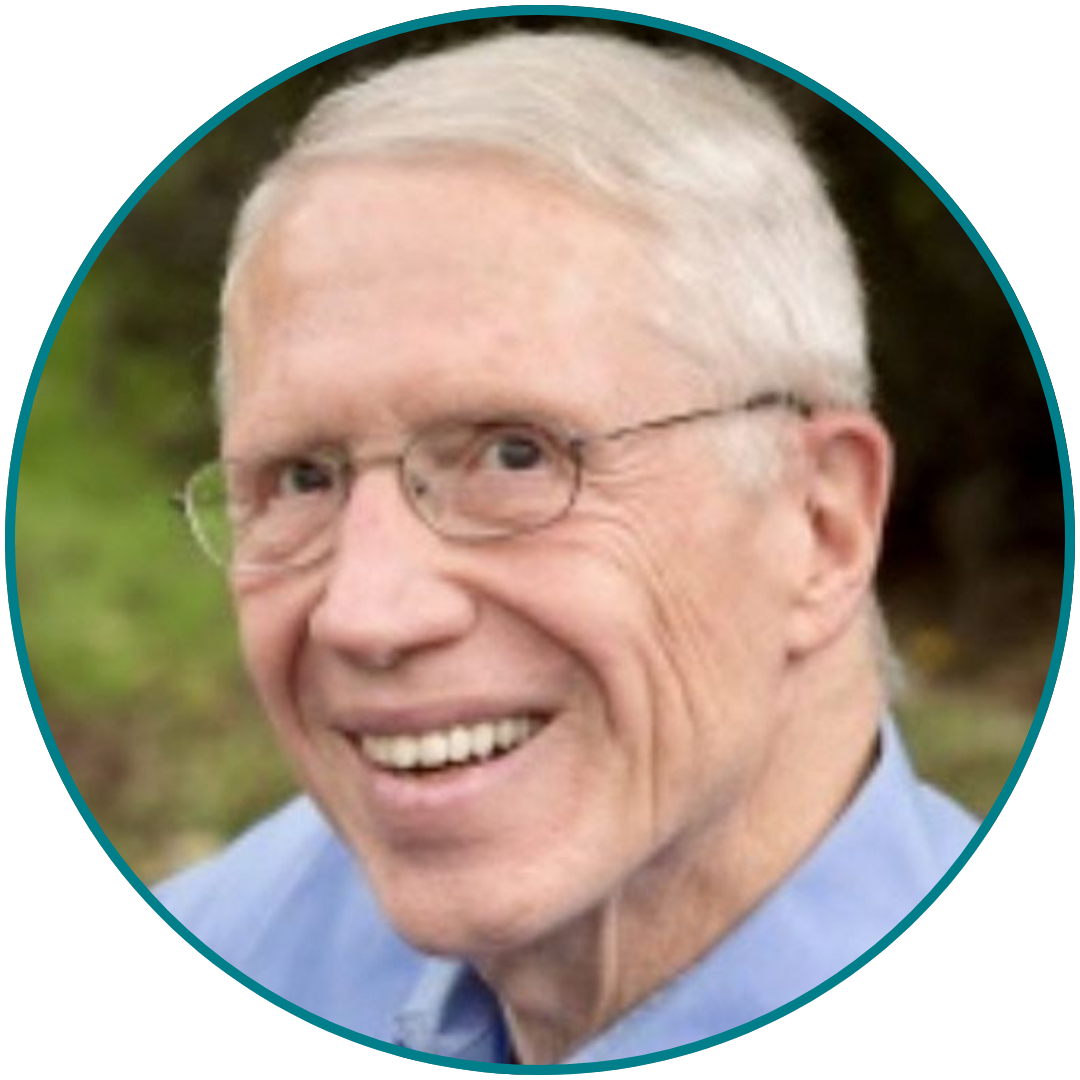
John Hammond
John Hammond is a decision consultant and author known for practical frameworks for complex decision-making.
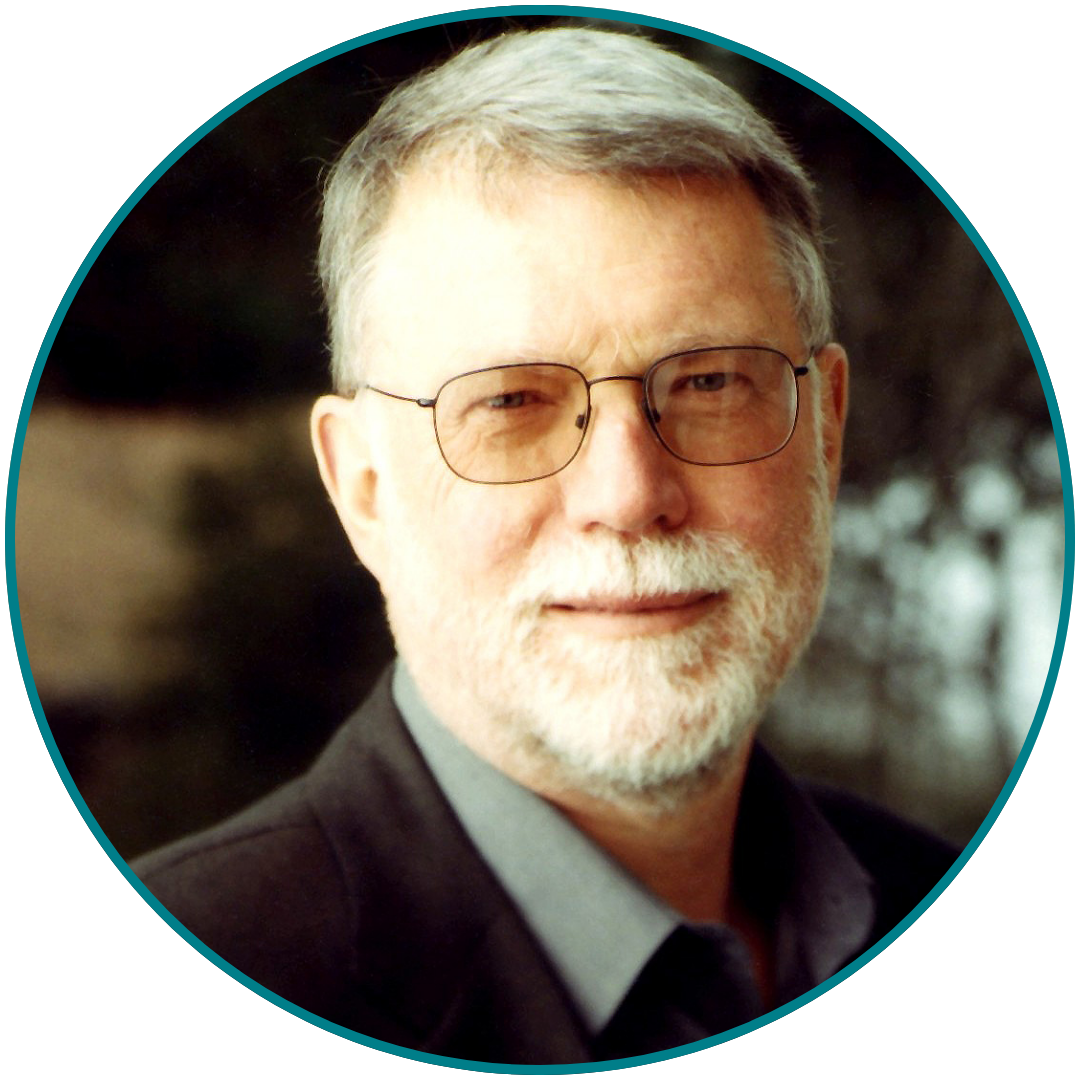
John Seely Brown
John Seely Brown explores how learning, innovation, and knowledge emerge through participation in living systems rather than through static information transfer.
Jorge Arango
Jorge Arango is an information architect and design thinker who focuses on how people orient themselves within complex information environments.
Joseph Grenny
Joseph Grenny is an author and speaker focused on influence, leadership, and crucial conversations.
Joseph Williams
Joseph Williams was a scholar and teacher of writing known for clarity, style, and argument.
Karl Popper
Karl Popper argued that knowledge advances not through certainty, but through continual testing, criticism, and the willingness to revise assumptions in light of error.
Kenny Baas-Schwegler
Kenny Baas-Schwegler is a software designer and facilitator known for work in collaborative modeling, DDD, and sociotechnical architecture.
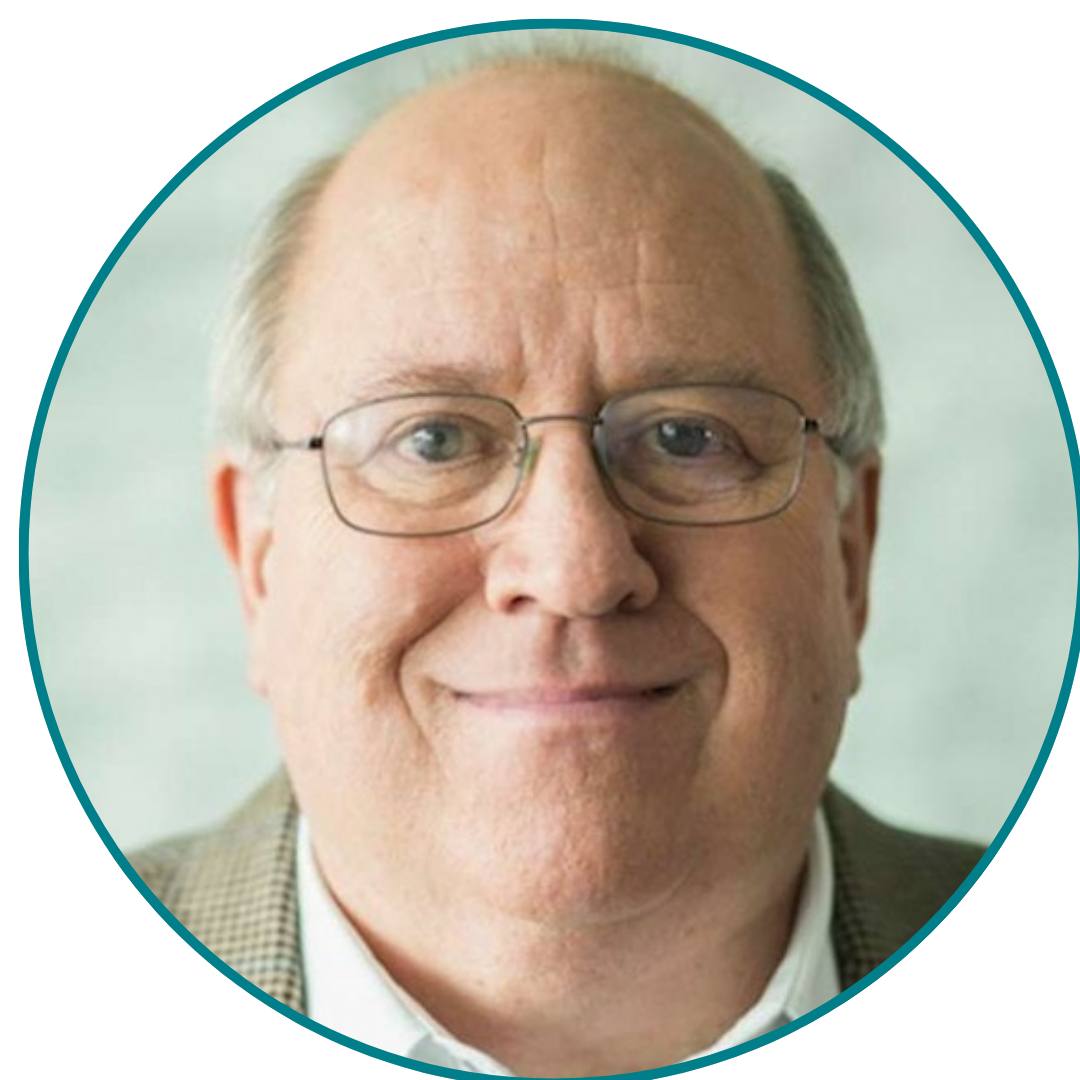
Kerry Patterson
Kerry Patterson is an author and organizational researcher known for work on high-stakes communication and behavior change.
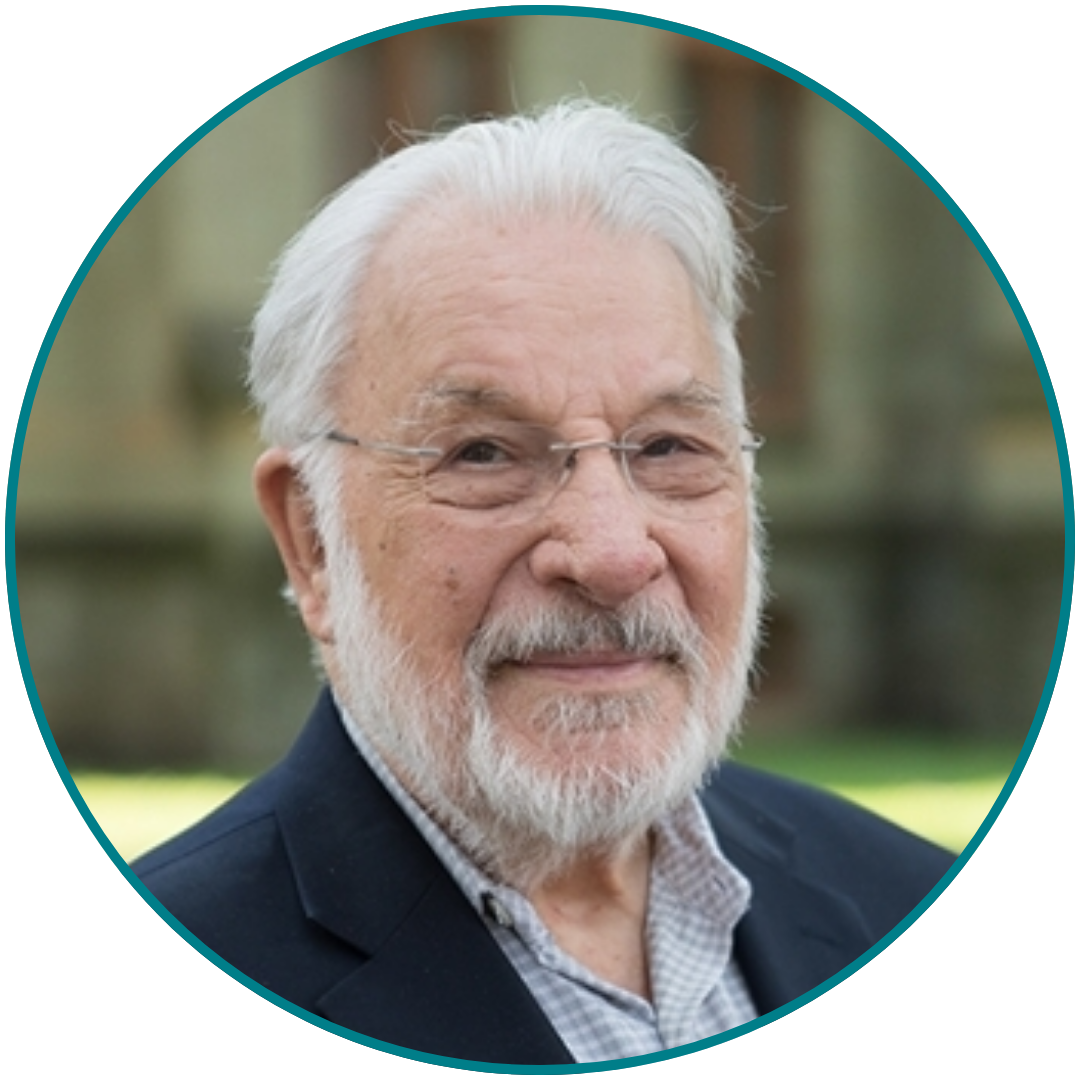
Klaus Krippendorff
Klaus Krippendorff was a scholar of communication and design whose work centered meaning, language, and human-centered design.
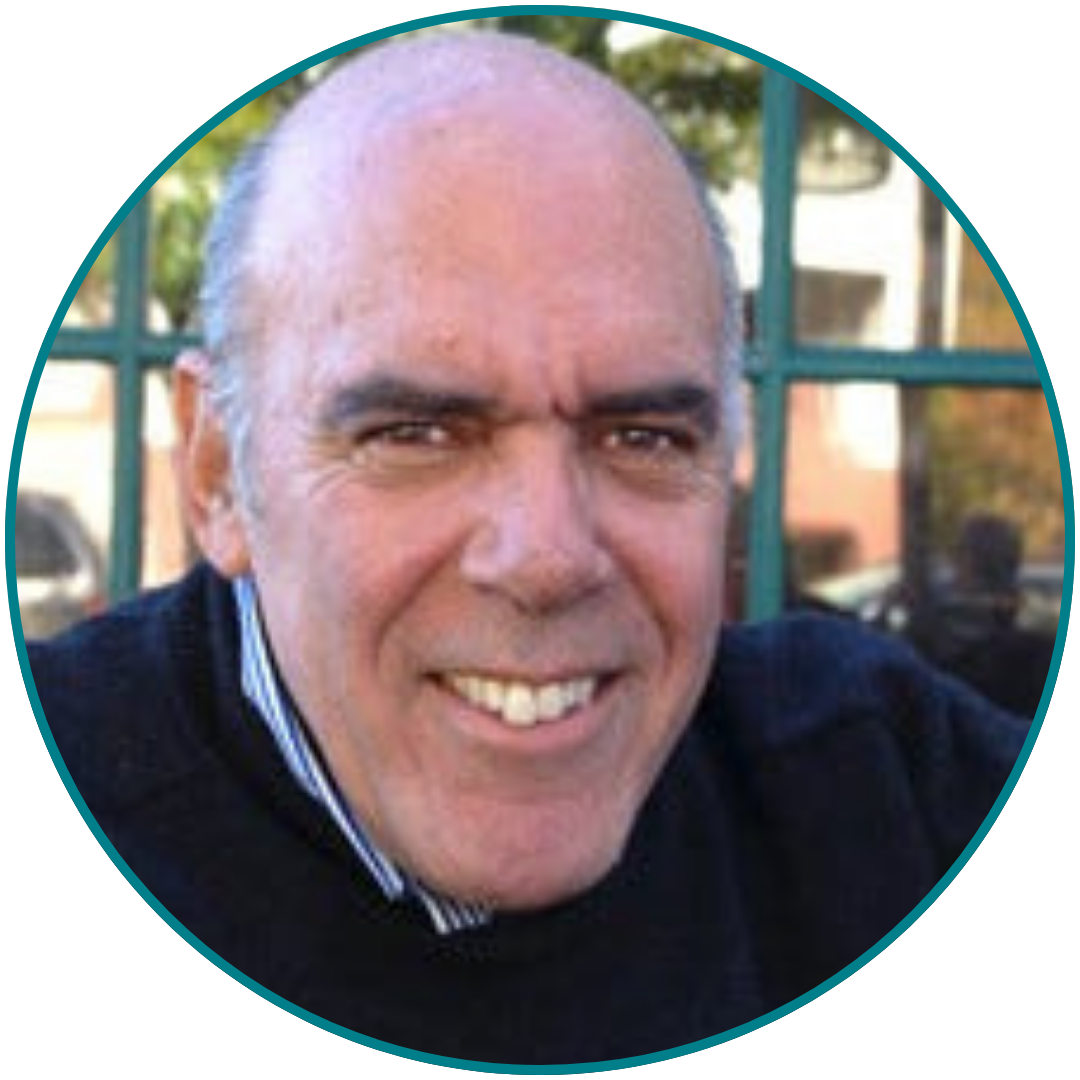
Laurence Prusak
Laurence Prusak is a respected authority in knowledge management, consulting and writing extensively on the subject, contributing to organizational effectiveness.
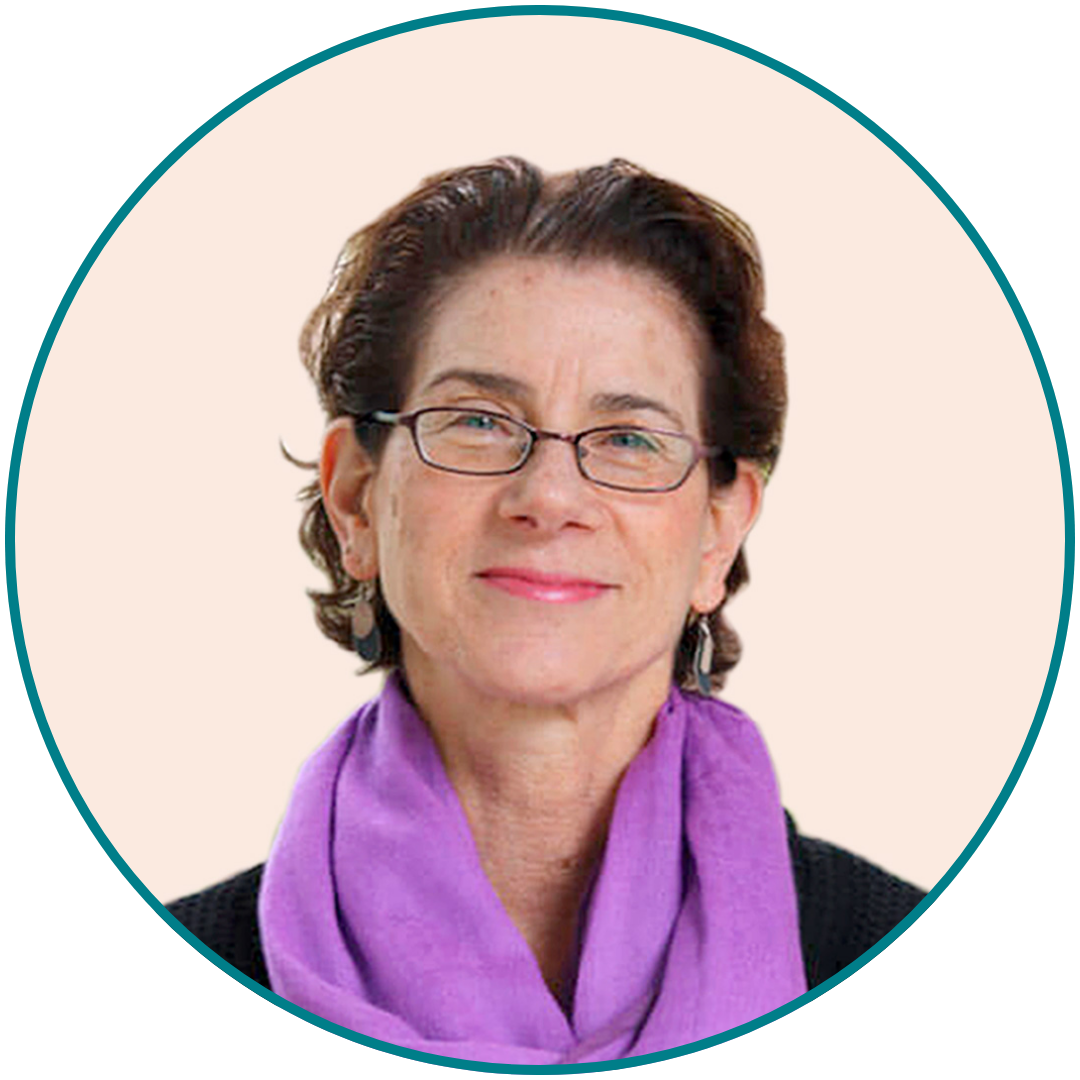
Lisa Lahey
Lisa Lahey is an educator and developmental psychologist known for work on immunity to change and adult learning.
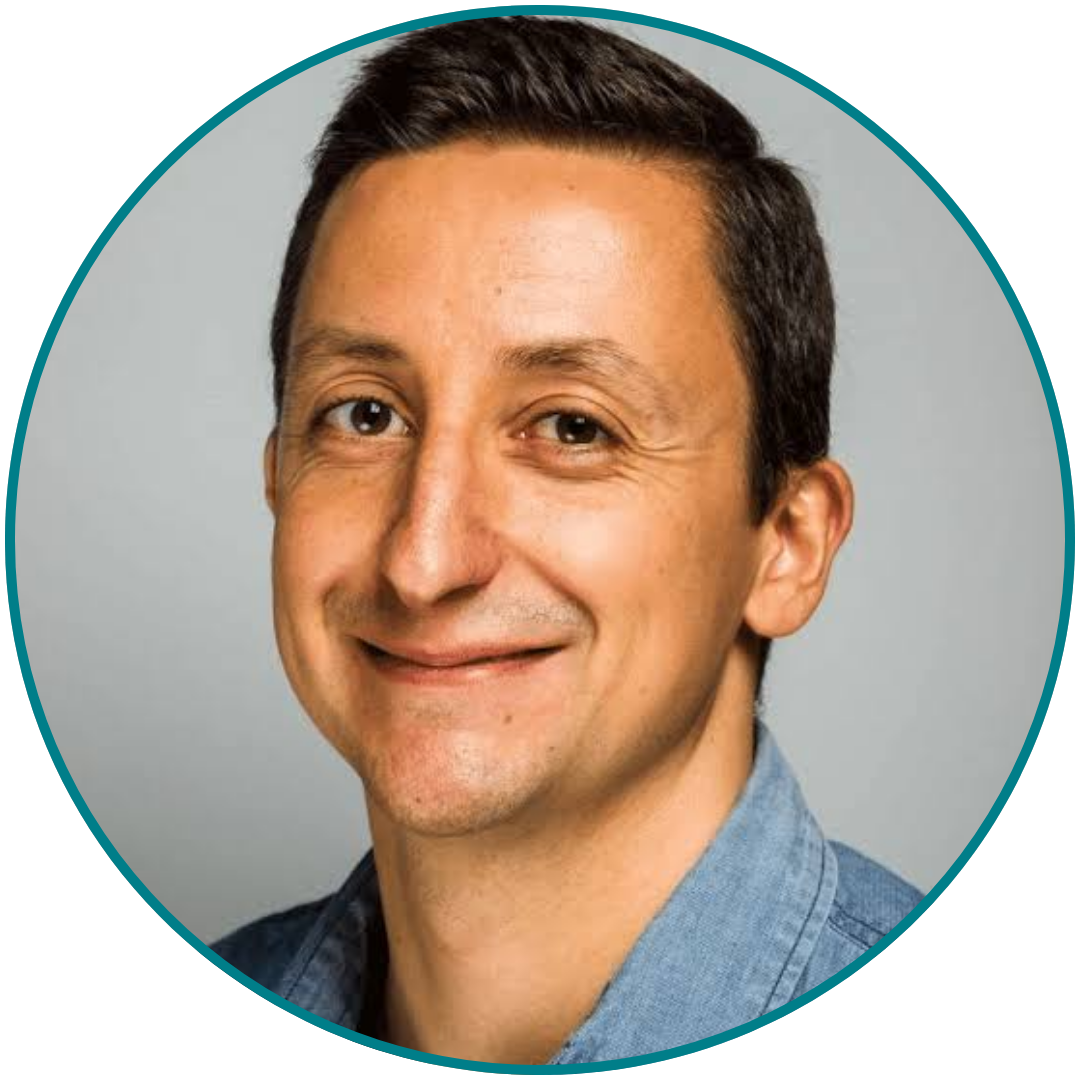
Manuel Pais
Manuel Pais is an independent consultant and co-author of Team Topologies, focused on team design and flow.

Margaret Wheatley
Margaret Wheatley explores organizations as living systems shaped by relationship, emergence, participation, and meaning rather than mechanical control.
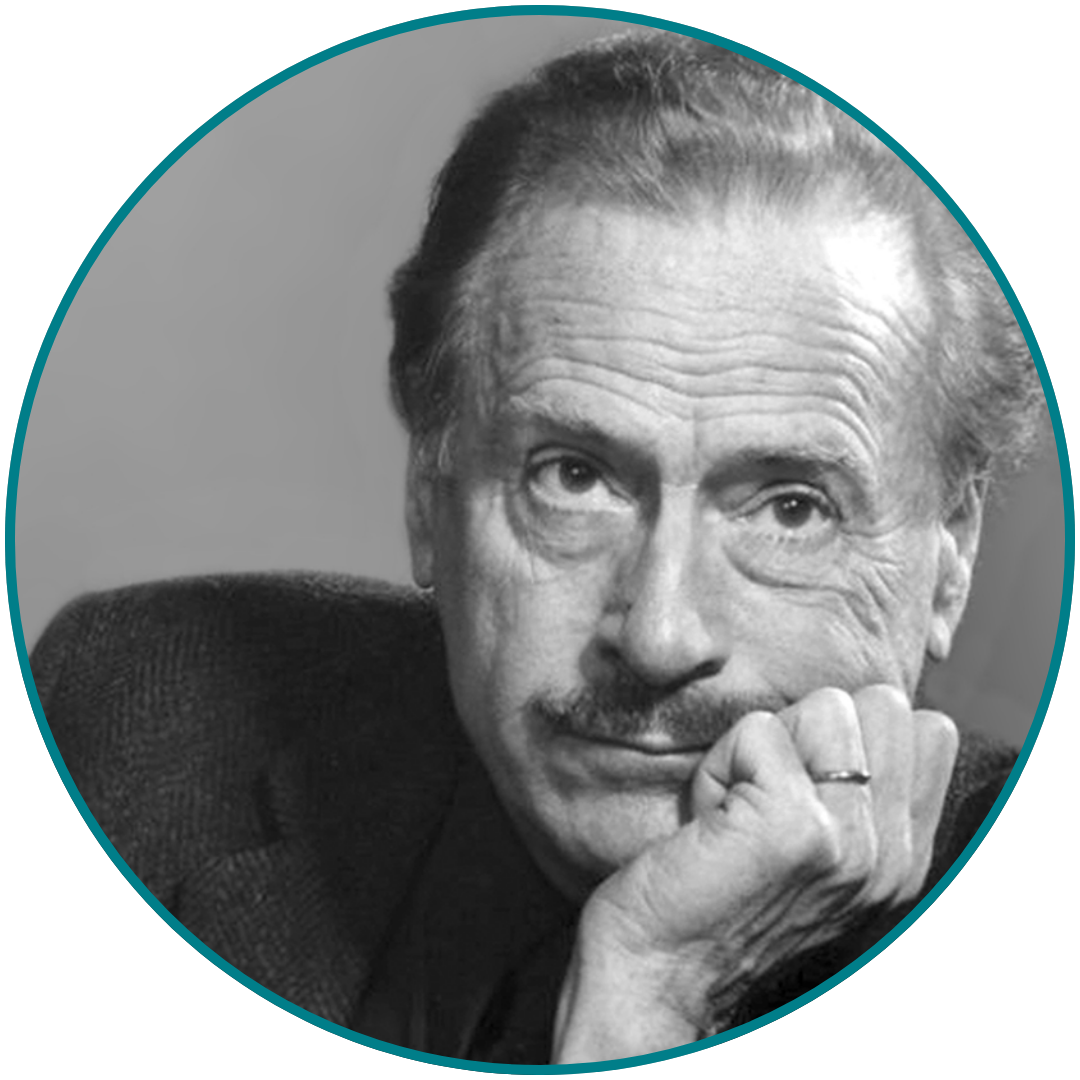
Marshall McLuhan
Marshall McLuhan explored how media environments shape human perception, culture, relationships, and patterns of thought — often more powerfully than the content they carry.
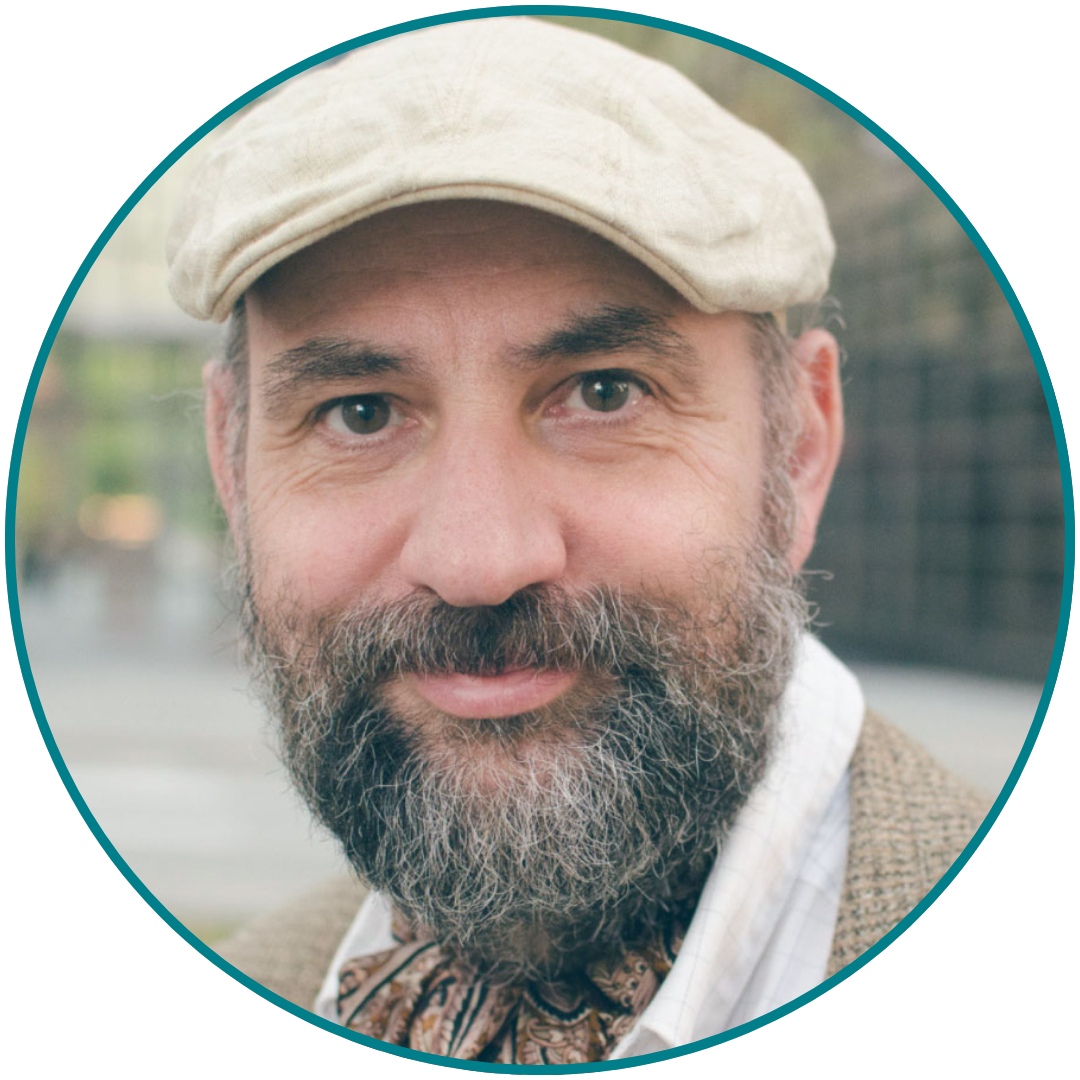
Martin Fowler
Martin Fowler is a software architect and author known for enterprise architecture, refactoring, and software design patterns.

Martin Kleppmann
Researcher and author focused on how data, state, and coordination shape the behavior of distributed systems.
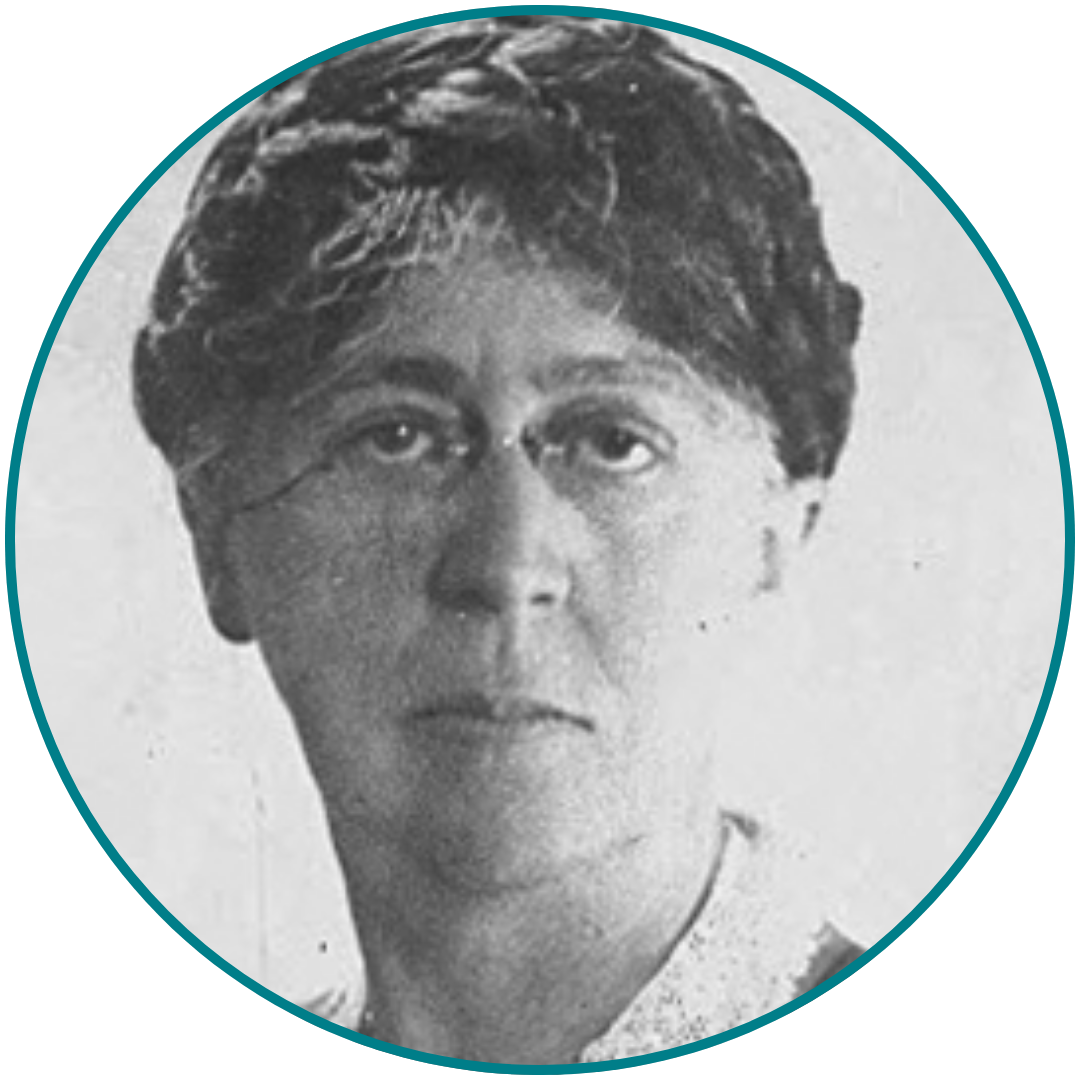
Mary Parker Follett
Mary Parker Follett was a pioneering management thinker focused on integration, conflict, power, and participatory leadership.

Matthew Skelton
Matthew Skelton is a software systems consultant known for Team Topologies and organization design for flow.
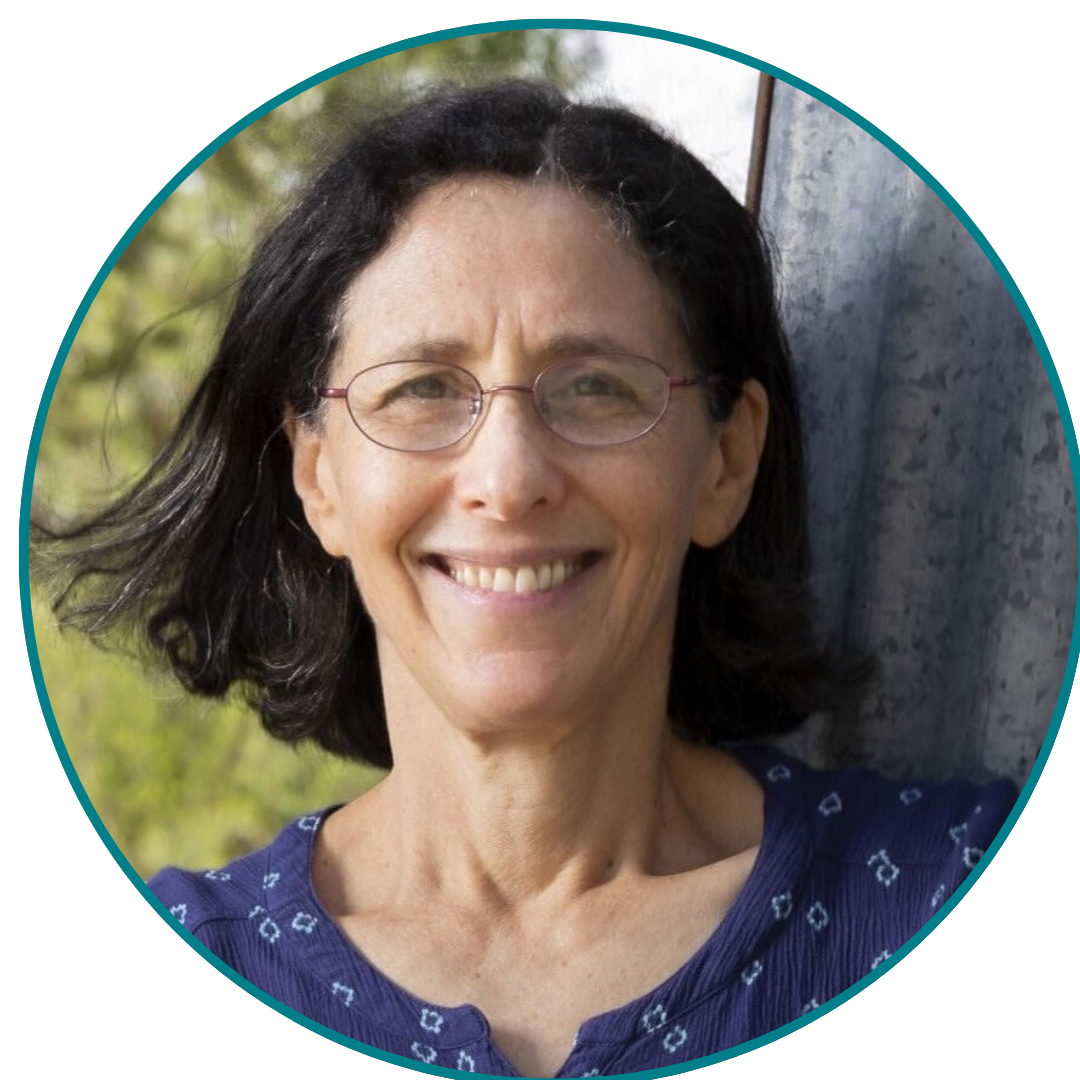
Melanie Mitchell
Melanie Mitchell is a computer scientist and complexity researcher focused on AI, cognition, and complex systems.
Mortimer Adler
Mortimer Adler was a philosopher and educator known for work on reading, liberal education, and intellectual development.
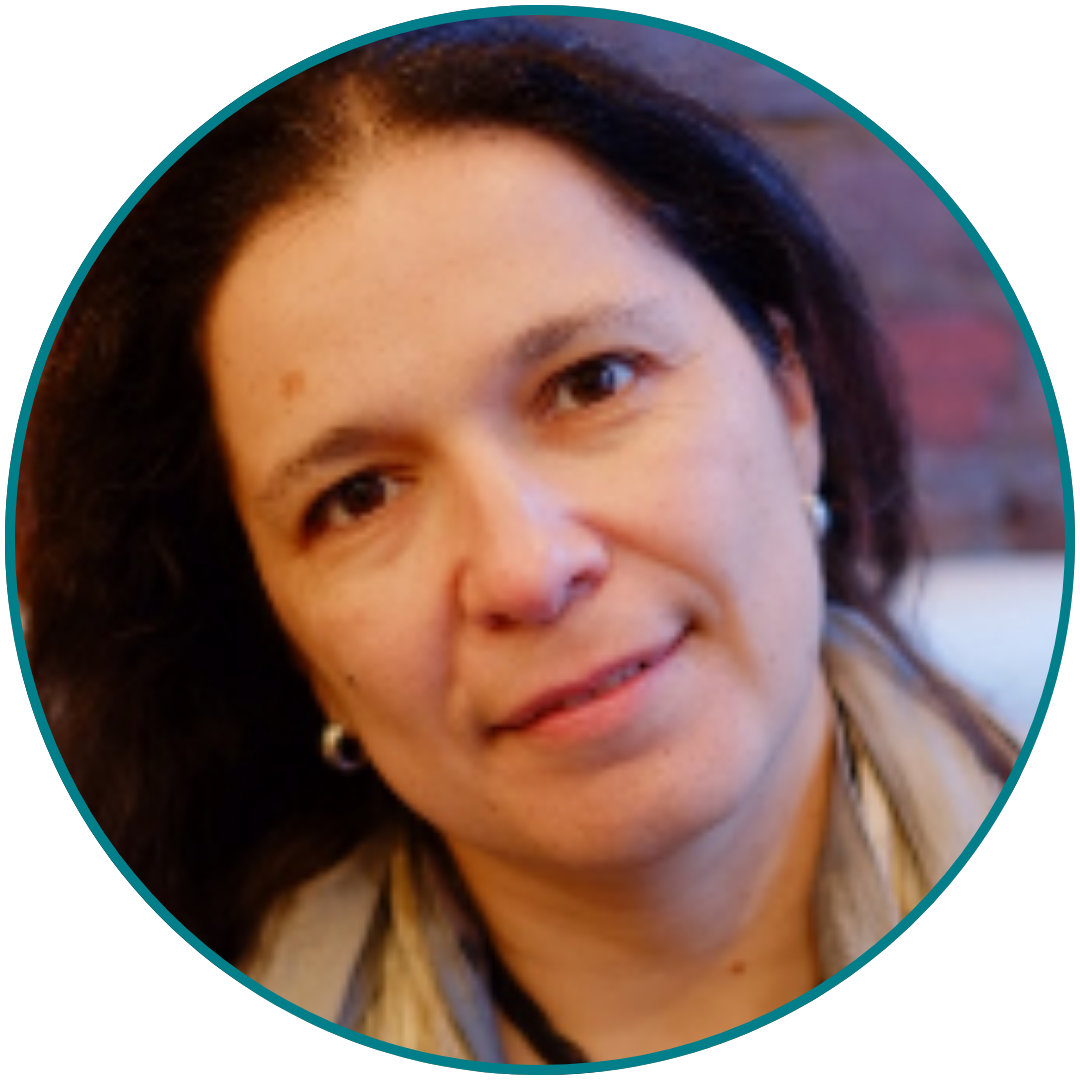
Natalya Noy
Natalya Noy is a computer scientist known for work in ontology engineering, knowledge representation, and semantic technologies.
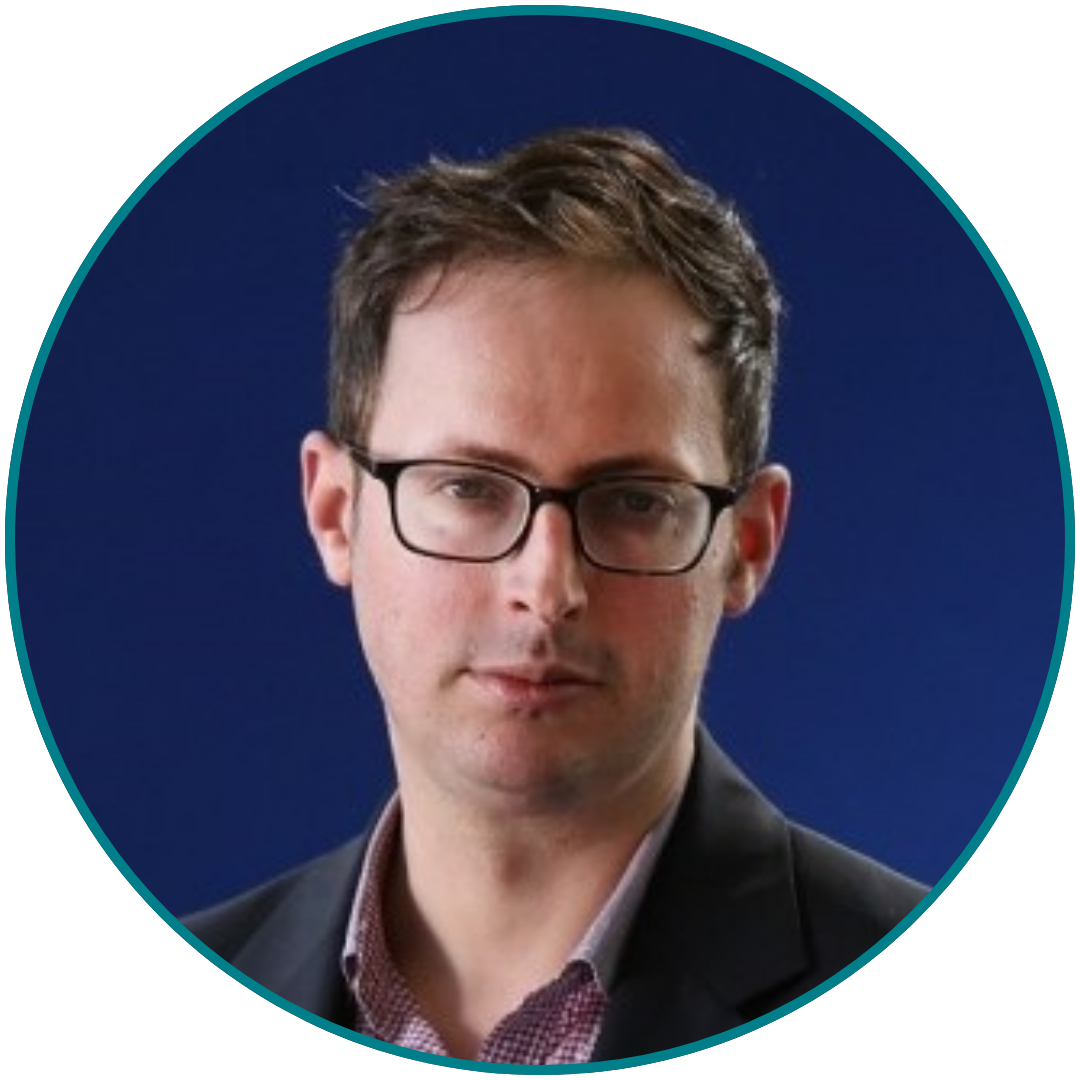
Nate Silver
Nate Silver is a statistician, writer, and forecaster known for work on prediction, probability, and data journalism.

Neal Ford
Neal Ford is a software architect and author focused on evolutionary architecture, software design, and technical practices.
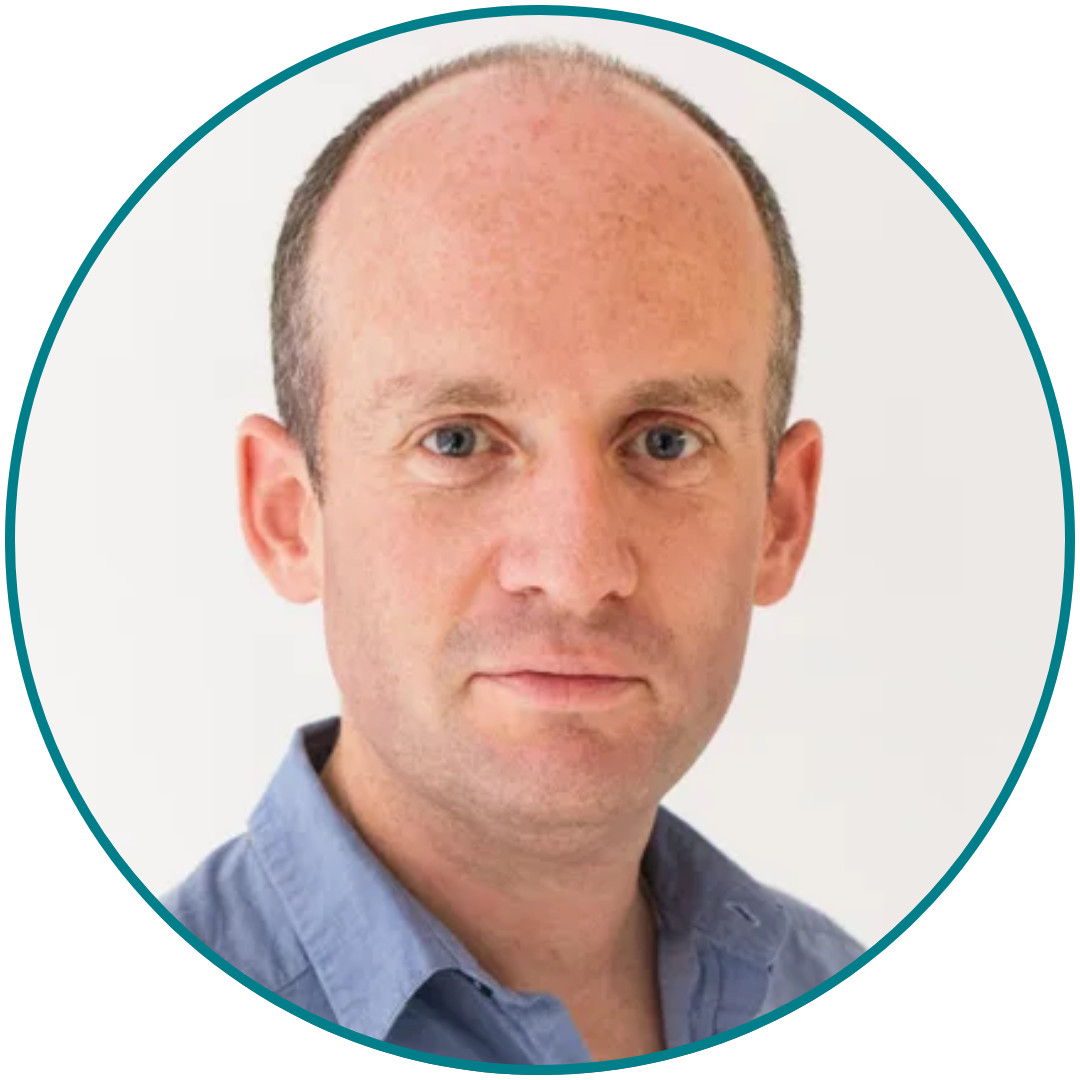
Oliver Burkeman
Oliver Burkeman is a writer focused on time, productivity, attention, and the limits of control.
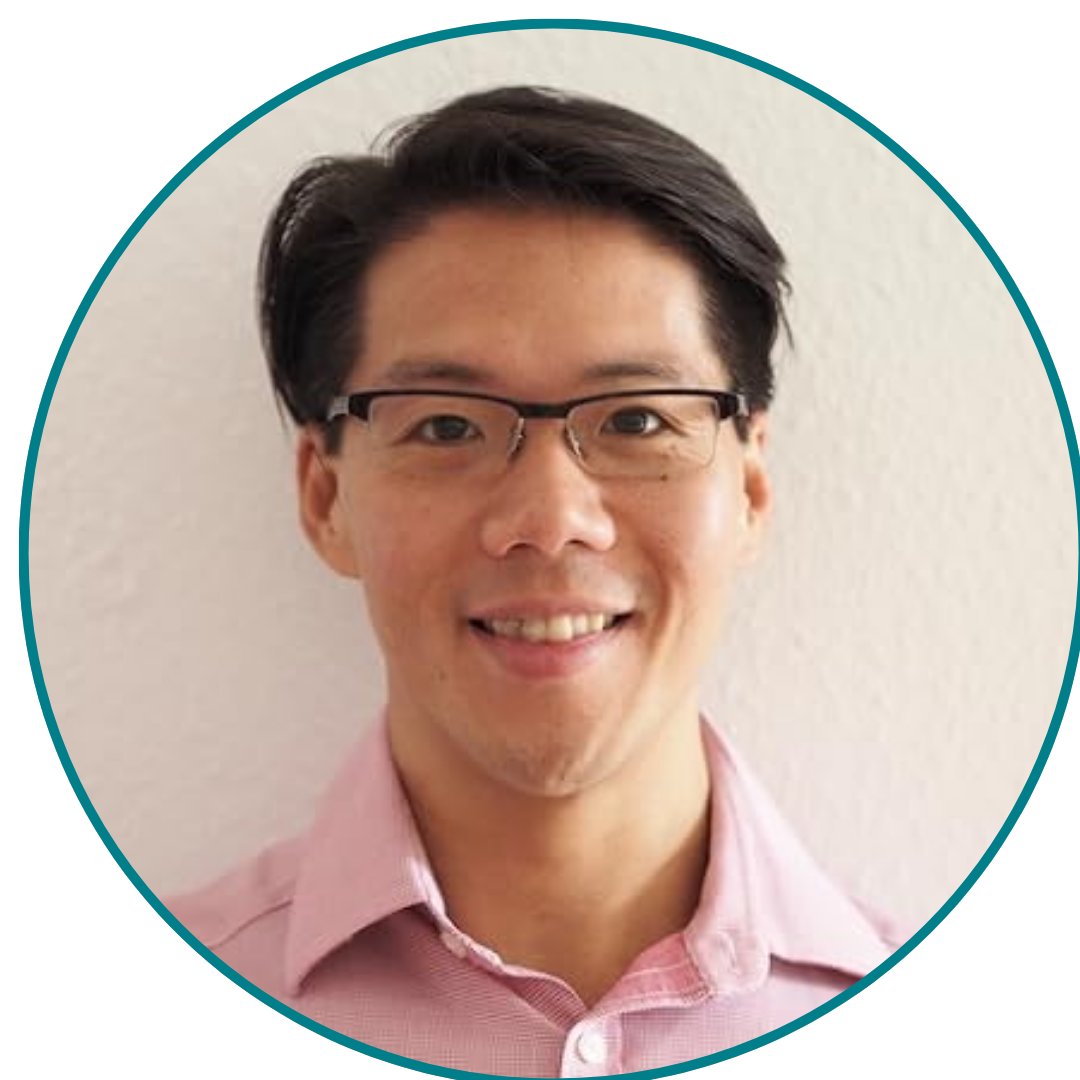
Patrick Kua
Patrick Kua is a technology leader and author focused on architecture, leadership, and evolutionary systems.
Peter M Senge
Peter Senge explored how organizations can become learning systems capable of reflection, adaptation, and collective intelligence rather than reactive operational machines.
Philip Tetlock
Philip Tetlock is a political scientist and decision researcher whose work explores forecasting, expert judgment, uncertainty, and the conditions that support better decision-making.

Ralph Keeney
Ralph Keeney is a decision analyst known for value-focused thinking and decision quality.
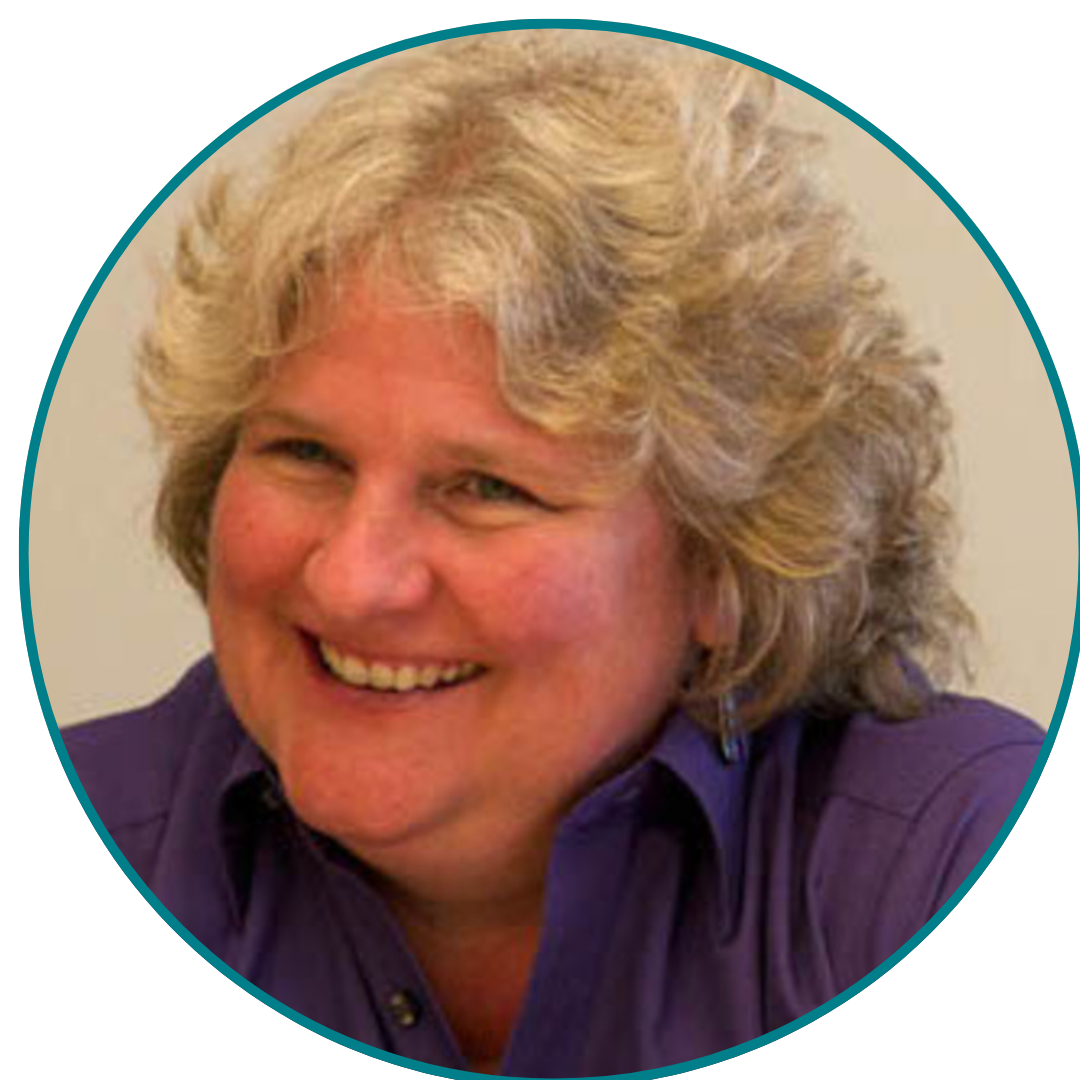
Rebecca Parsons
Rebecca Parsons is a technologist and former CTO known for work in architecture, software delivery, and evolutionary systems.
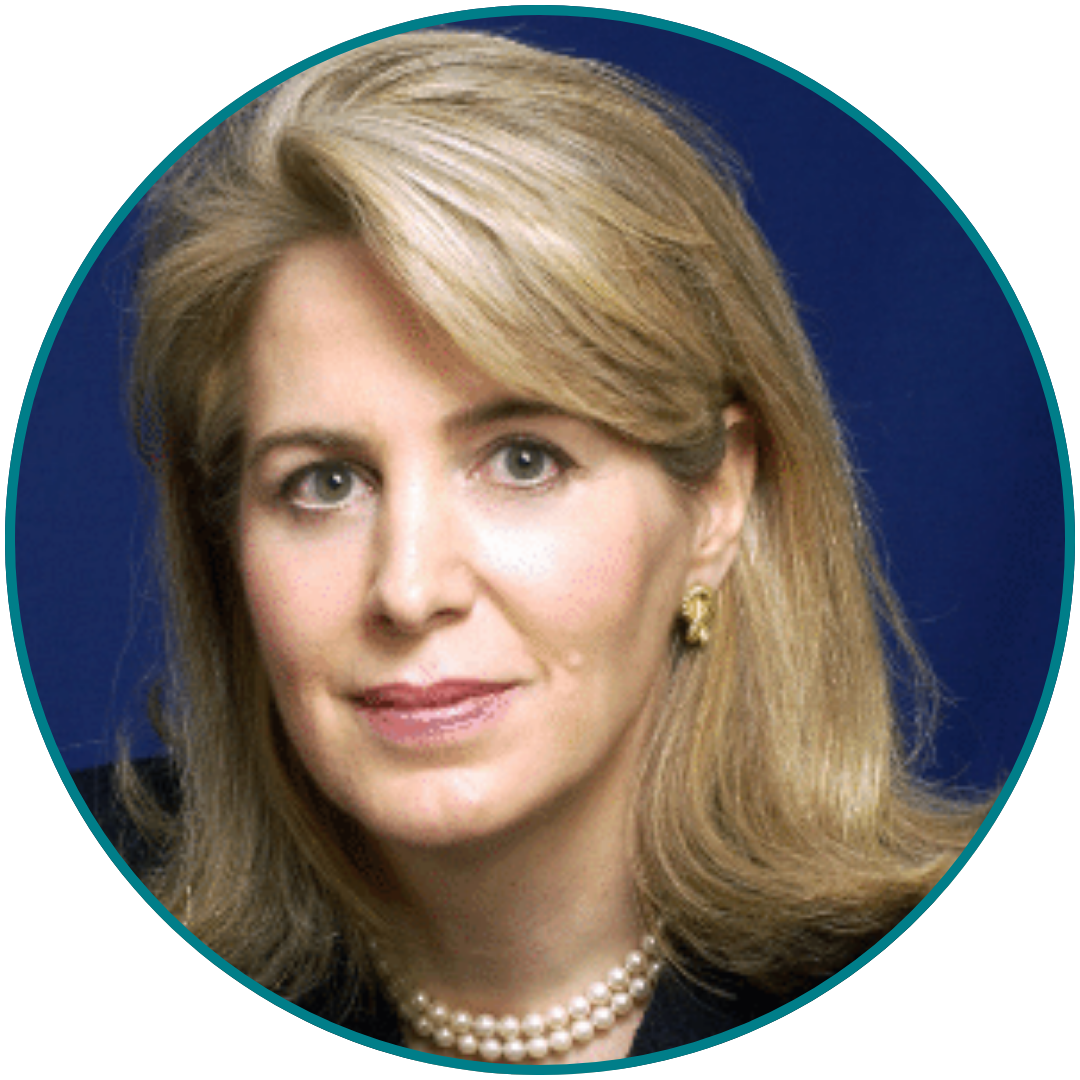
Renée Mauborgne
Renée Mauborgne is a strategy scholar known for Blue Ocean Strategy and research on value innovation.
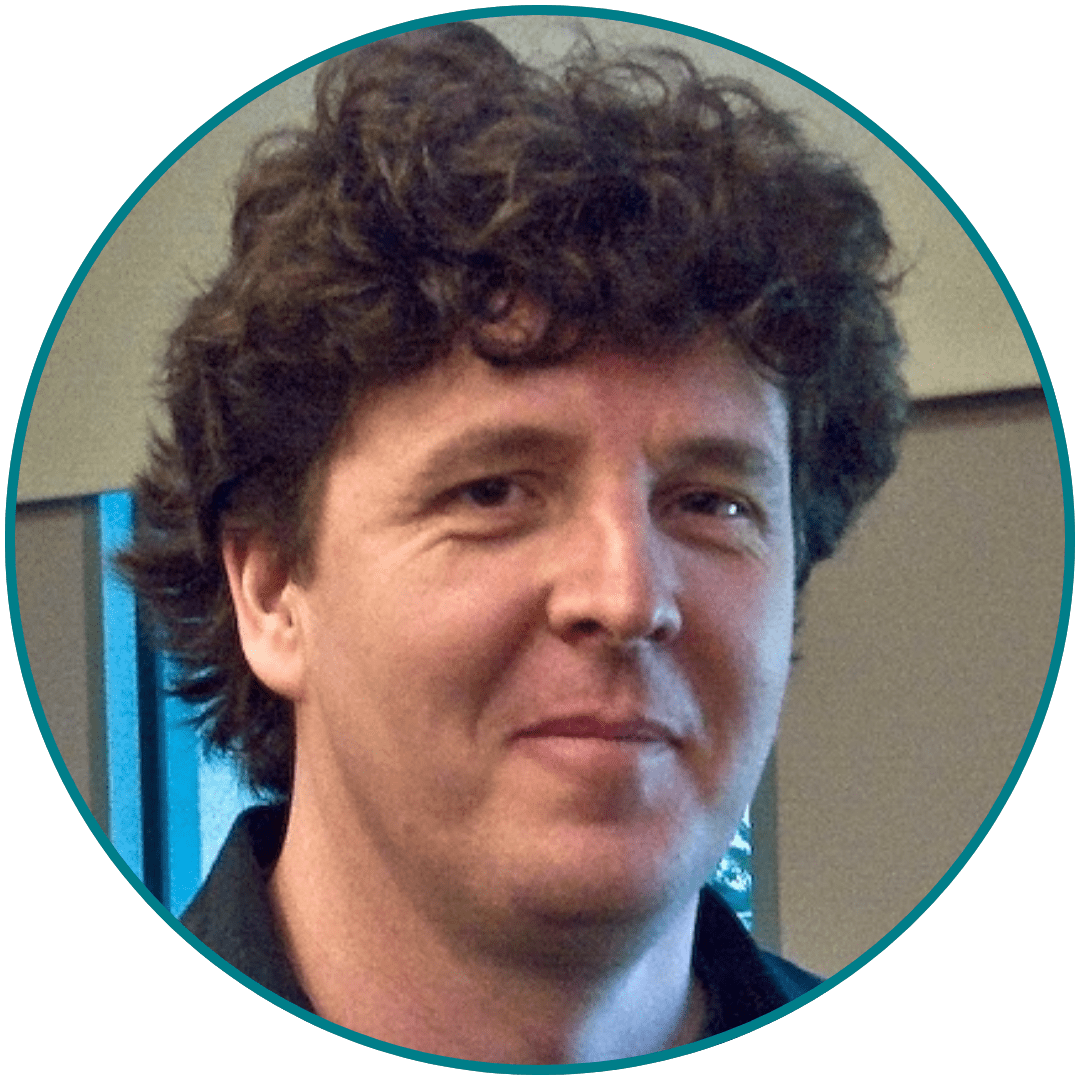
Rich Hickey
Software designer focused on modeling systems as values that evolve over time, emphasizing immutability, simplicity, and clarity.
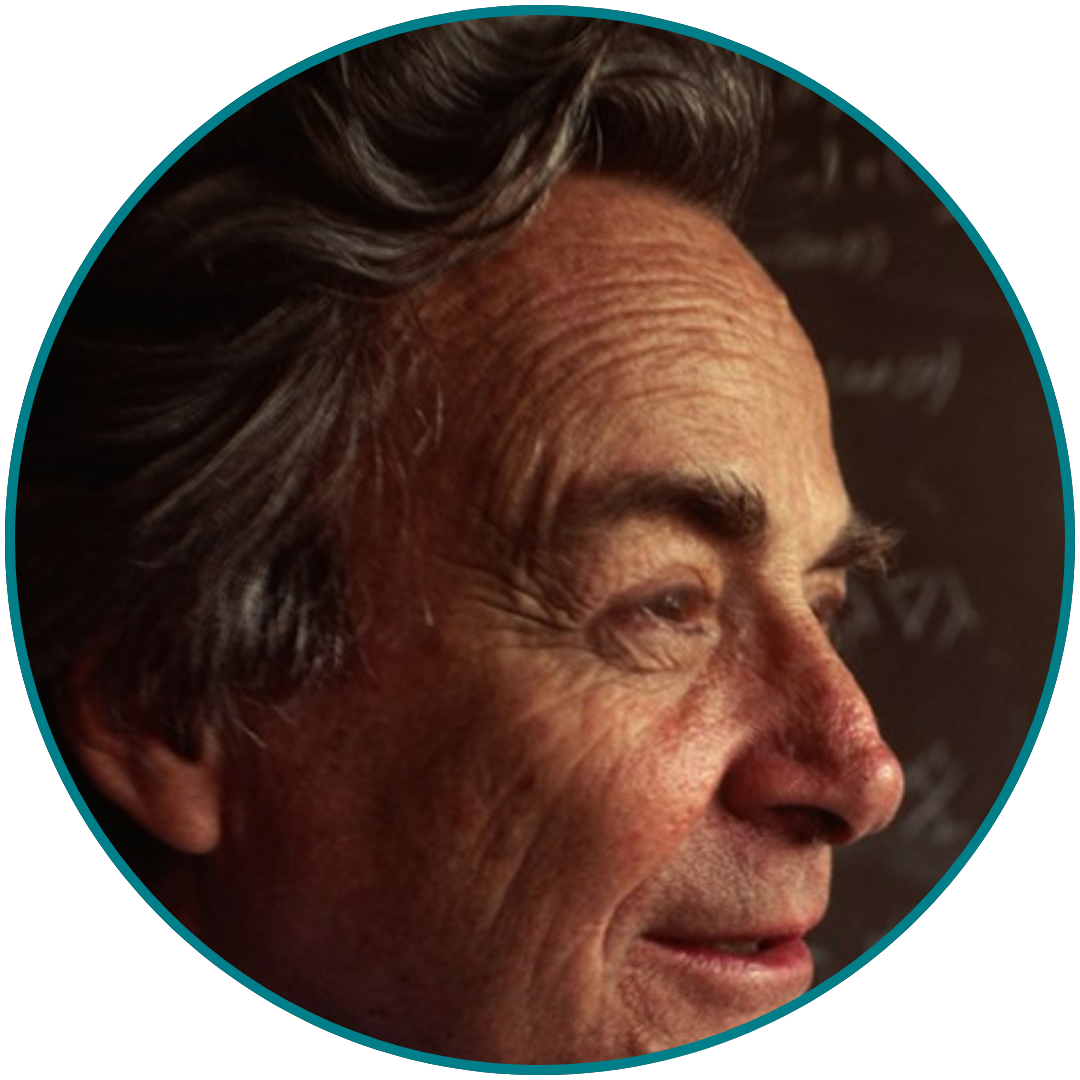
Richard Feynman
Richard Feynman was a physicist, teacher, and thinker whose work explored understanding, curiosity, problem-solving, and the relationship between knowledge and reality.

Robert J. Glushko
Robert J. Glushko is an information scientist and author who defined the unifying framework “discipline of organizing”.
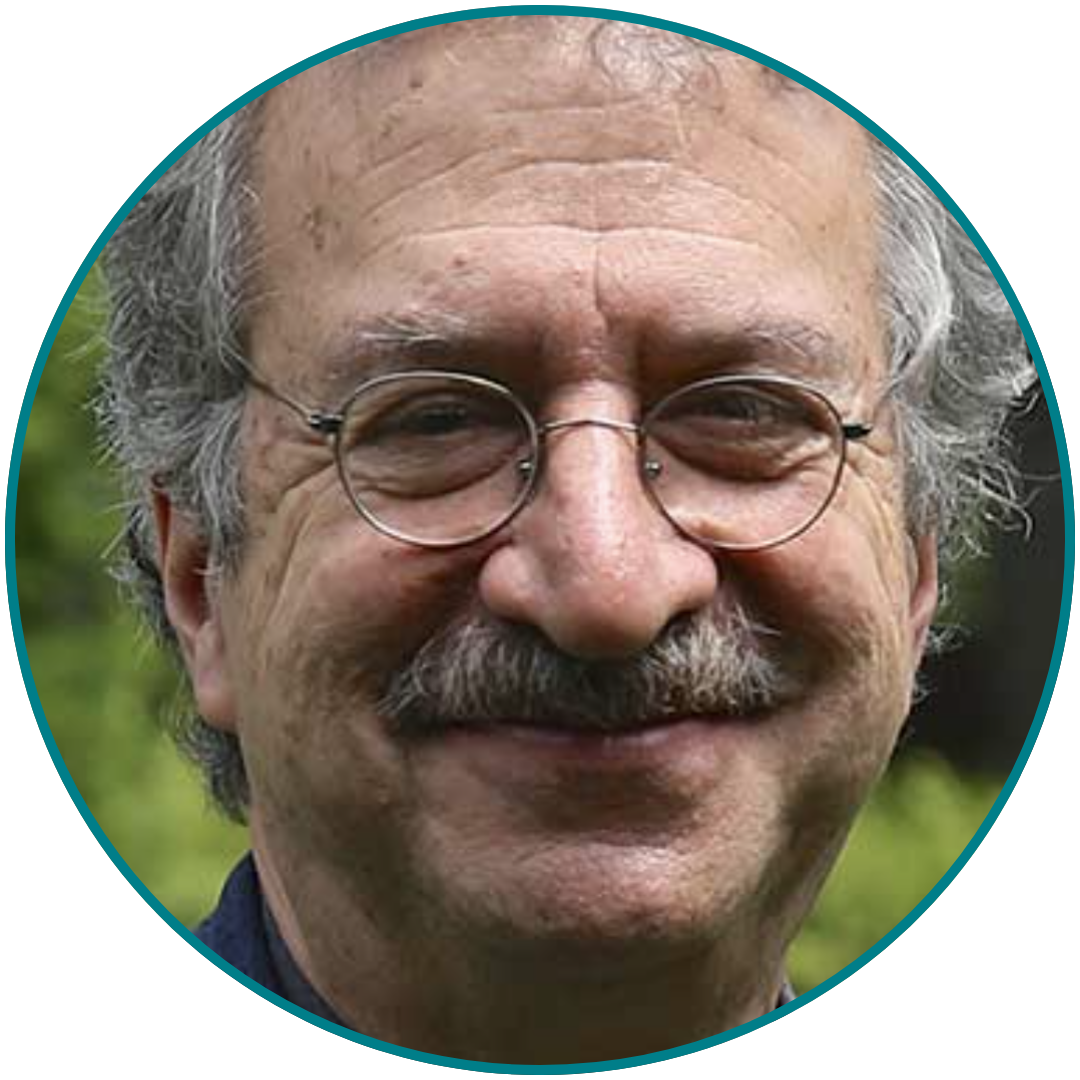
Robert Kegan
Robert Kegan is a developmental psychologist known for adult development, immunity to change, and deliberately developmental organizations.
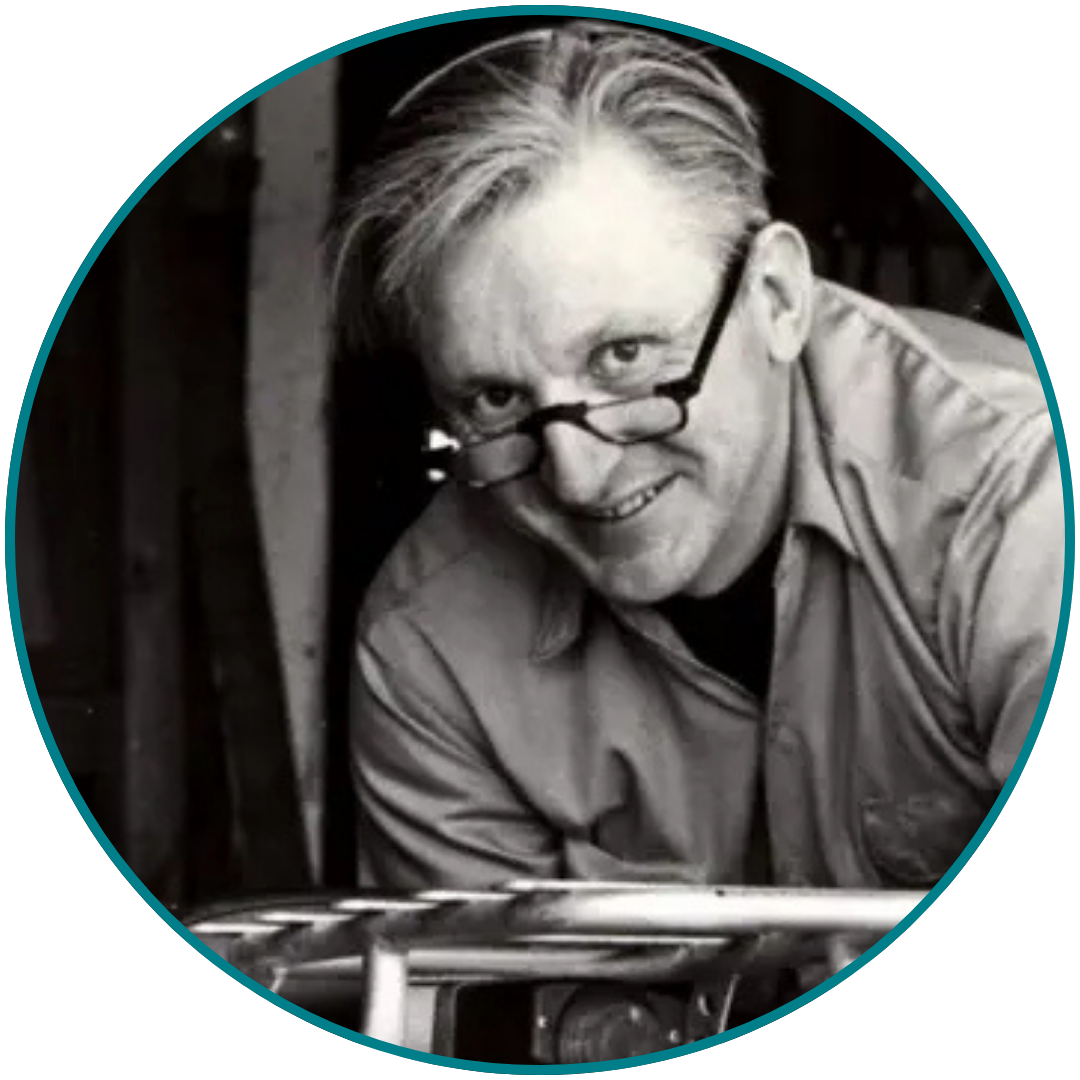
Robert M. Pirsig
Robert M. Pirsig (1928–2017) was an American writer and philosopher best known for Zen and the Art of Motorcycle Maintenance (1974), one of the most influential philosophical books of the late 20th century.
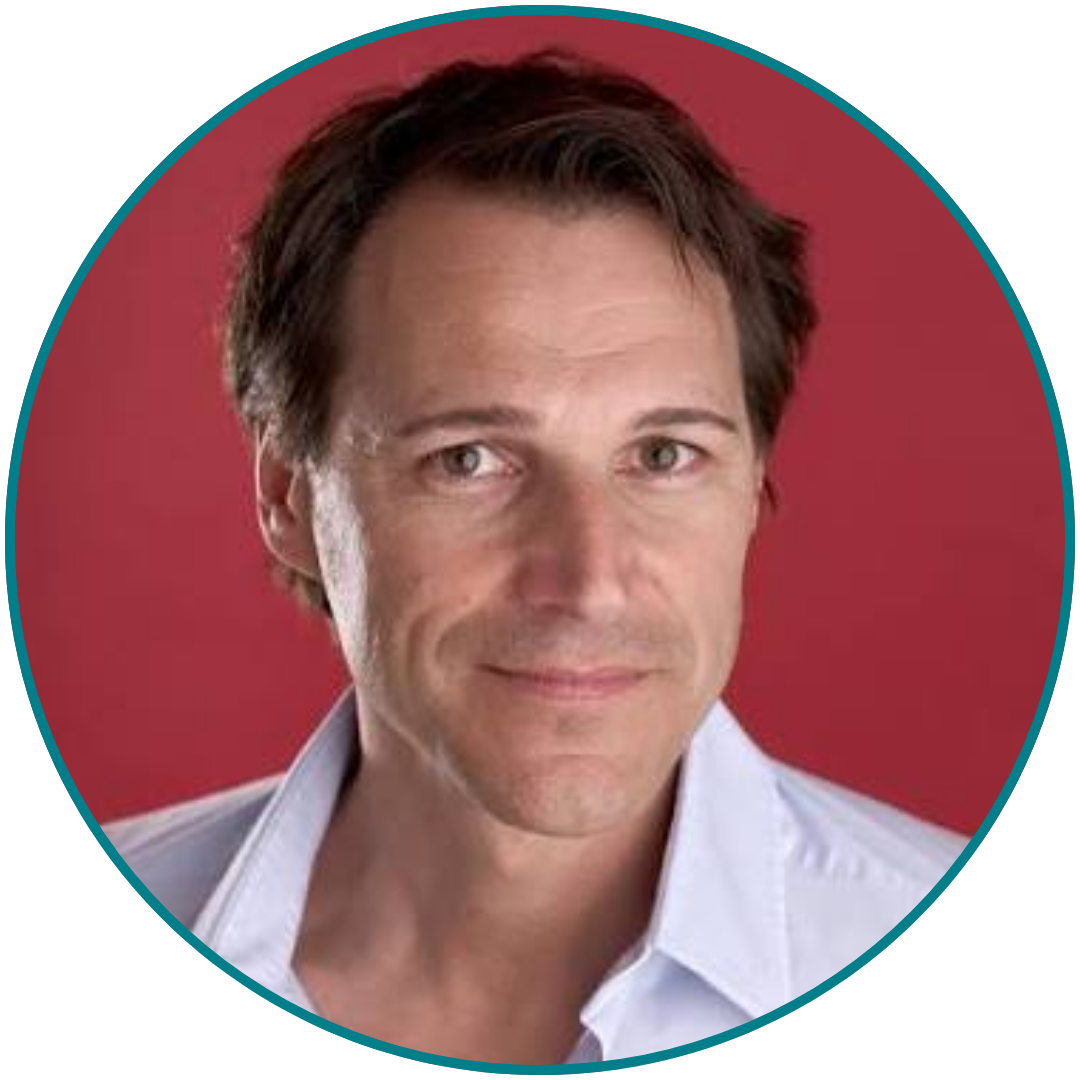
Rolf Dobelli
Rolf Dobelli popularizes cognitive bias awareness, helping readers recognize recurring errors in judgment, interpretation, and decision-making.
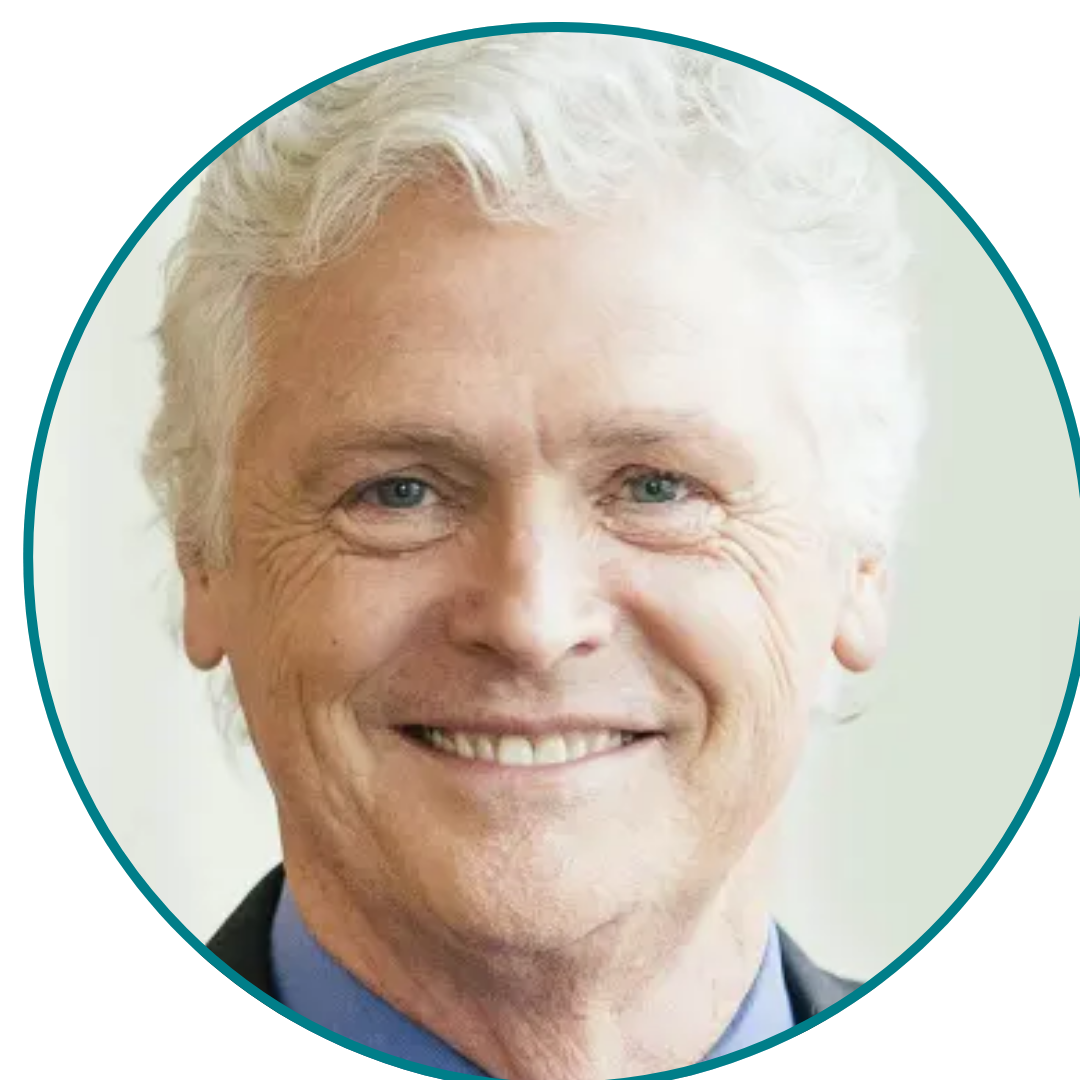
Ron McMillan
Ron McMillan is an author and organizational consultant known for work on crucial conversations and accountability.
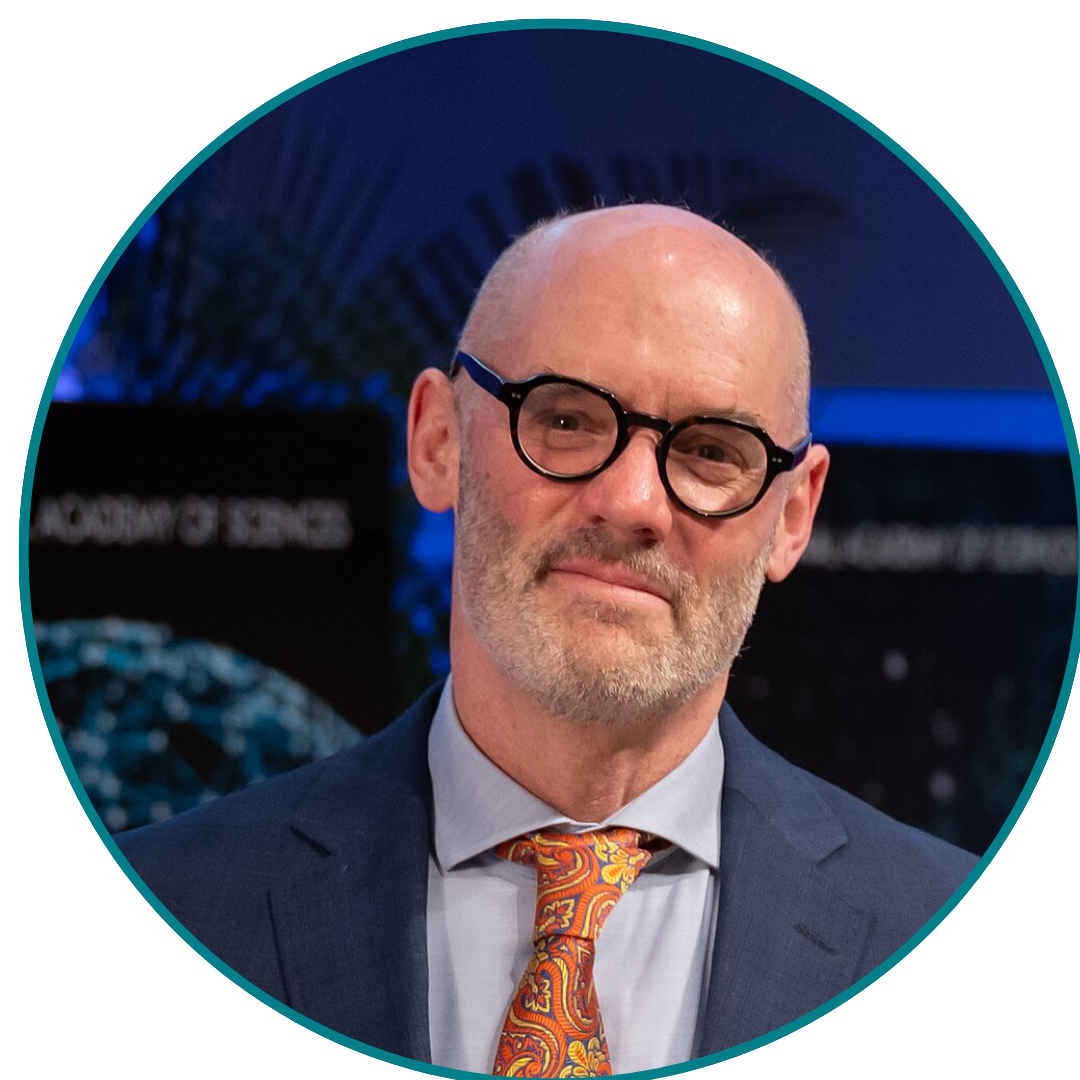
Scott E. Page
Scott E. Page is a complexity scientist and social scientist known for work on diversity, models, and complex systems.

Shane Parrish
Shane Parrish popularizes mental models as practical tools for clearer thinking, better judgment, and cross-disciplinary understanding.
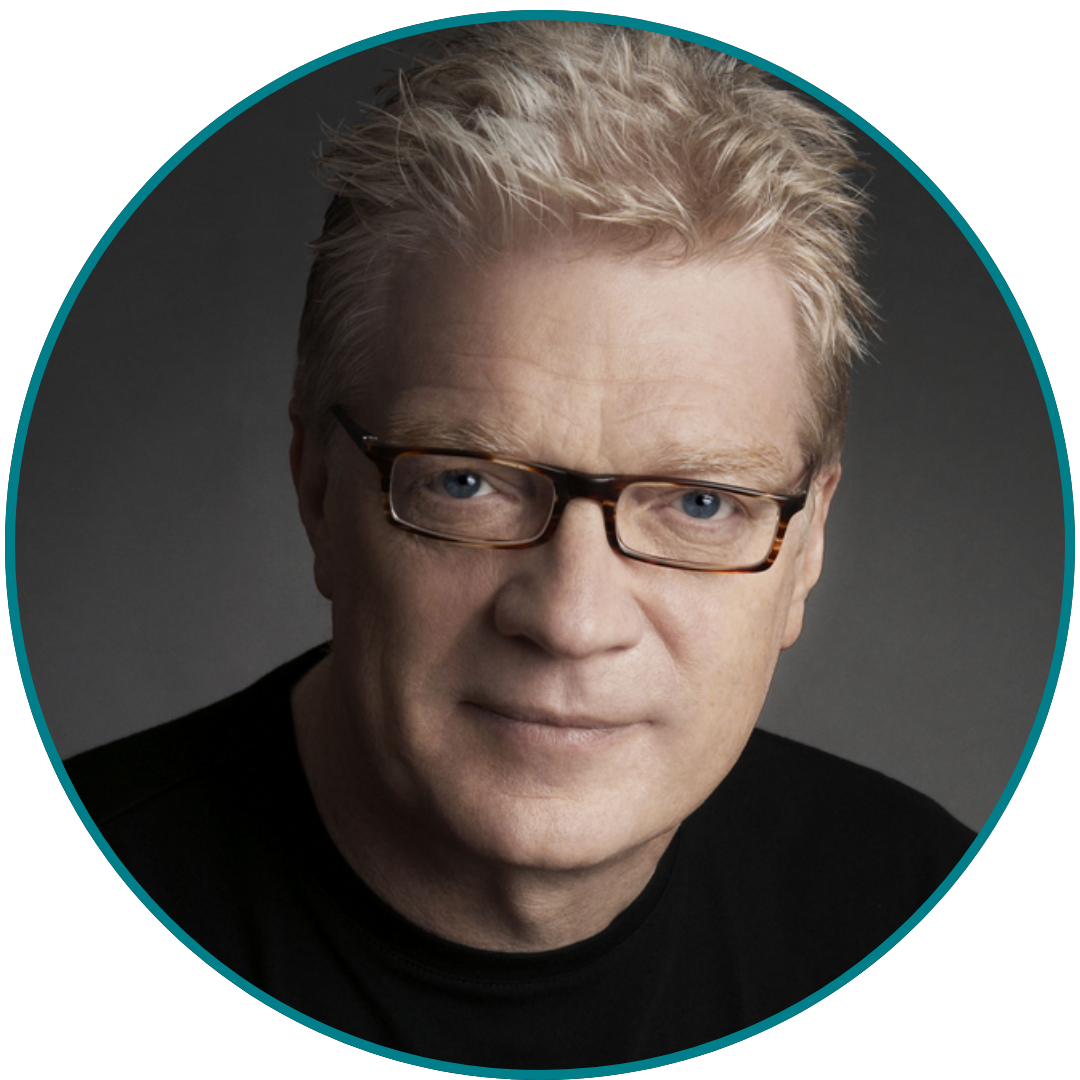
Sir Ken Robinson
Sir Ken Robinson explored creativity, learning, and human potential, arguing that education systems often suppress the very capacities needed for adaptation, meaning-making, and innovation.

Steven Johnson
Steven Johnson is an author and science writer focused on innovation, complexity, emergence, and technology.

Sönke Ahrens
Sönke Ahrens is a researcher and writer known for explaining the Zettelkasten method and note-making as a knowledge practice.

The Tenth Doctor
The Tenth Doctor embodies adaptive intelligence: curiosity, relational awareness, improvisation, and the moral complexity of acting inside dynamic systems where consequences ripple across time.

Tiago Forte
Tiago Forte is an educator and writer focused on personal knowledge management and creative productivity.

Tom R. Tyler
Tom R. Tyler is a legal scholar and psychologist known for research on procedural justice, legitimacy, and trust in authority.

Trond Hjorteland
Trond is an IT architect, open sociotechnical systems practitioner, and sense maker.
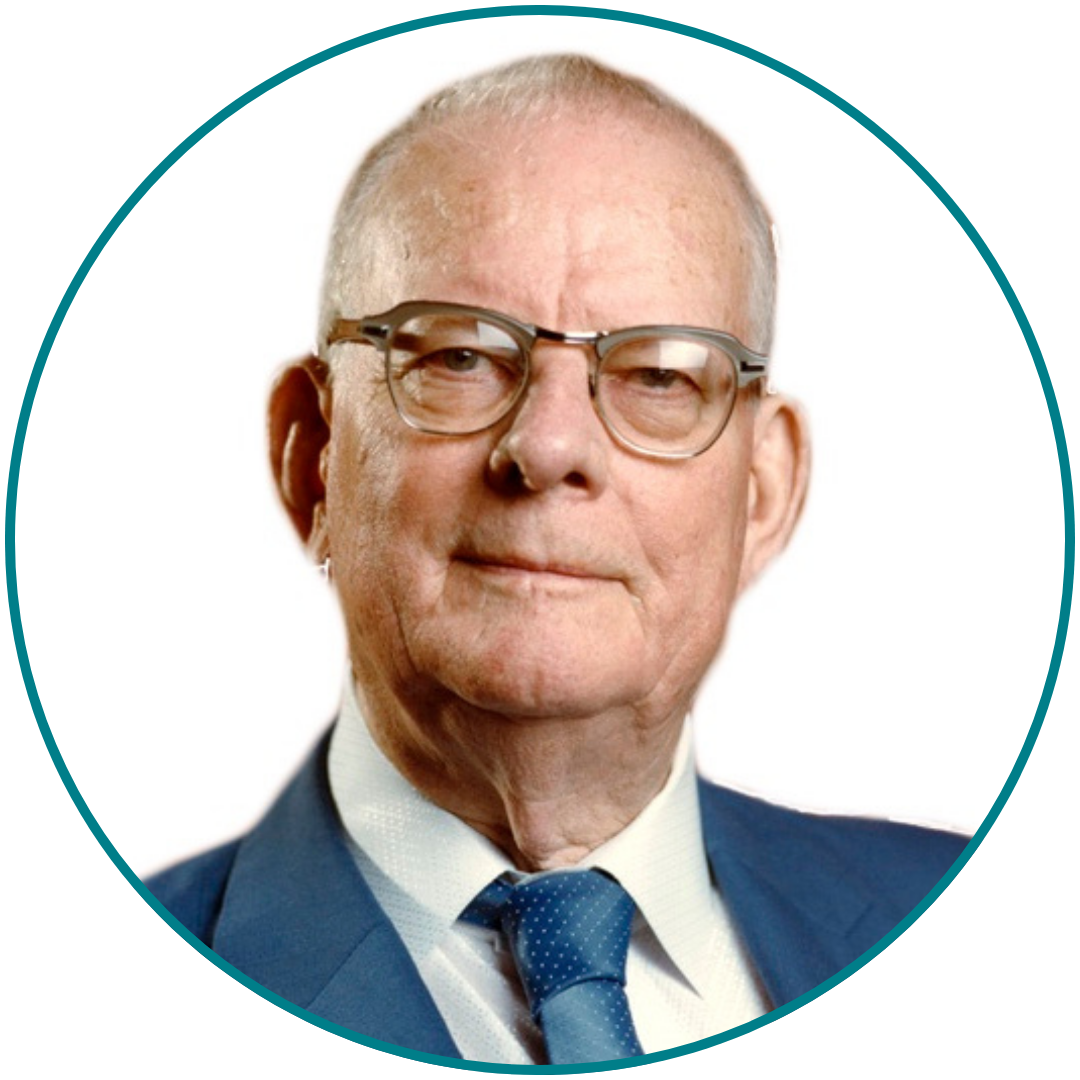
W Edwards Deming
A pioneer of quality and systems thinking who showed that most organizational failure is a property of the system, not the people within it.
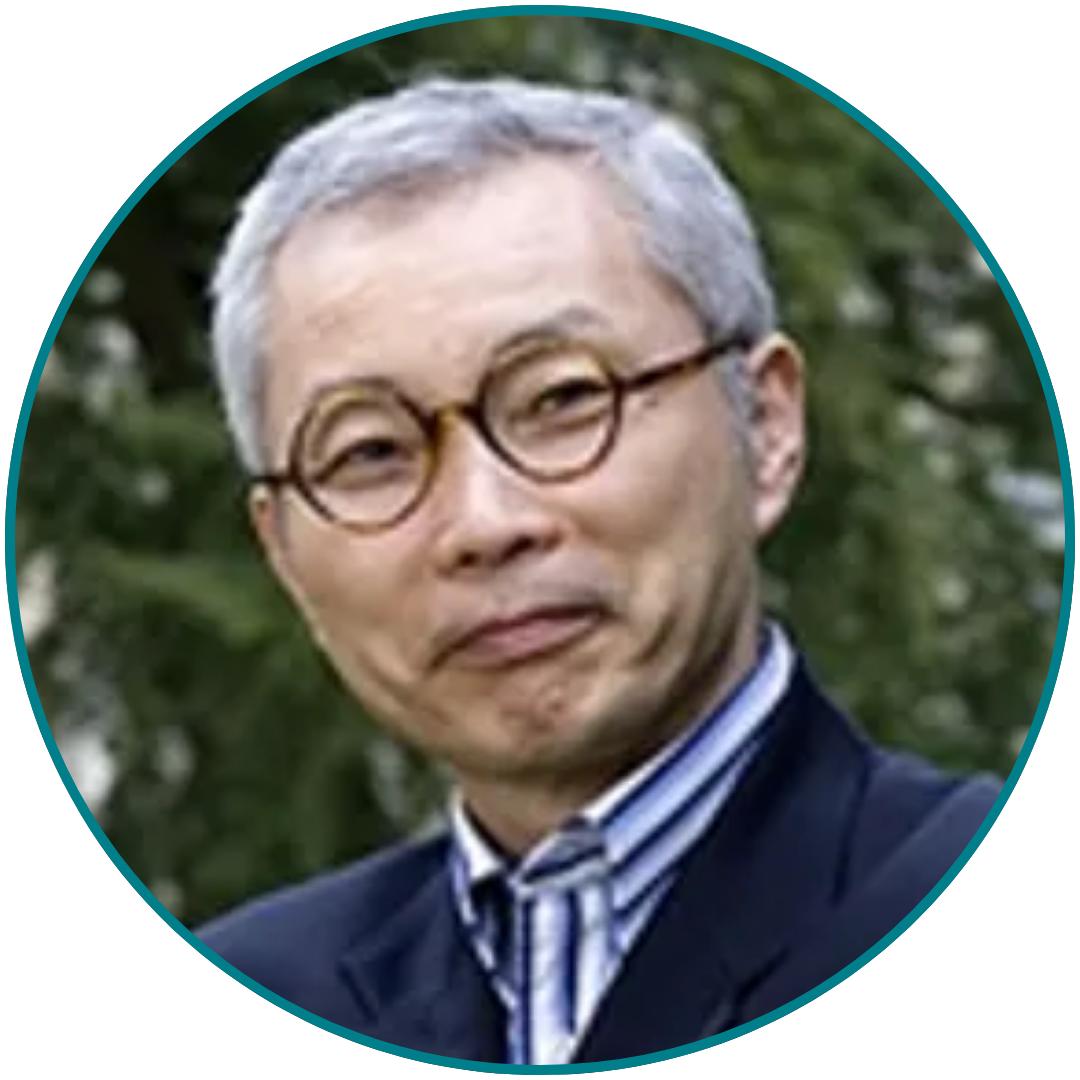
W. Chan Kim
W. Chan Kim is a strategy scholar known for Blue Ocean Strategy and value innovation.
Warren Berger
Warren Berger is an author and journalist focused on questioning, innovation, and creative inquiry.
Wayne Booth
Wayne Booth was a literary critic and teacher known for rhetoric, narrative, and the practice of research.