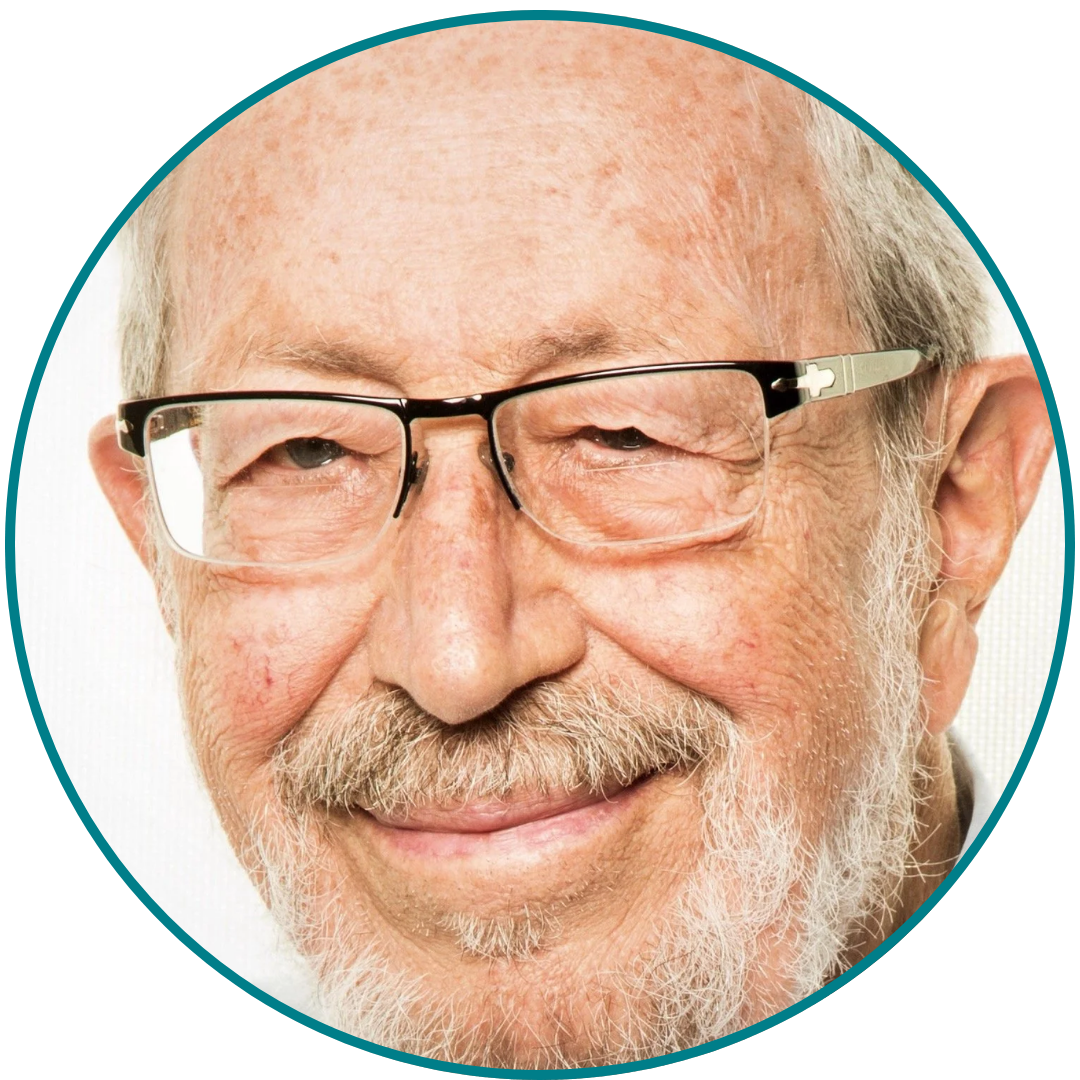
Edgar Schein’s work focused on the hidden cultural structures that shape organizational behavior and learning. Rather than treating culture as superficial values statements or visible rituals alone, Schein described culture as a layered system of assumptions that quietly determines how people interpret reality, respond to uncertainty, and coordinate action.
He argued that many organizational patterns persist not because they are explicitly chosen, but because they become normalized beneath conscious awareness. These assumptions influence what people perceive as safe, legitimate, rational, threatening, or even discussable.
Schein also emphasized the importance of inquiry-based leadership and process consultation: helping groups examine their own dynamics rather than imposing external solutions mechanically. Effective organizational learning, in his view, requires curiosity, humility, trust-building, and the willingness to surface hidden assumptions collectively.
His work consistently highlighted the relationship between culture and adaptation. Organizations often struggle not because they lack intelligence, but because existing cultural assumptions prevent them from recognizing changing conditions clearly.
Relevance to Knowledge Flow
Schein’s work illuminates a foundational dimension of Knowledge Flow: culture shapes perception.
Knowledge systems do not operate independently of shared assumptions, emotional safety, identity, and organizational norms. What people notice, communicate, suppress, reinterpret, or ignore is deeply influenced by culture.
His work reinforces the importance of surfacing invisible assumptions and creating conditions where reflection, inquiry, and adaptive learning can occur. Knowledge Flow depends not only on information movement, but on cultures capable of perceiving and responding to reality together.