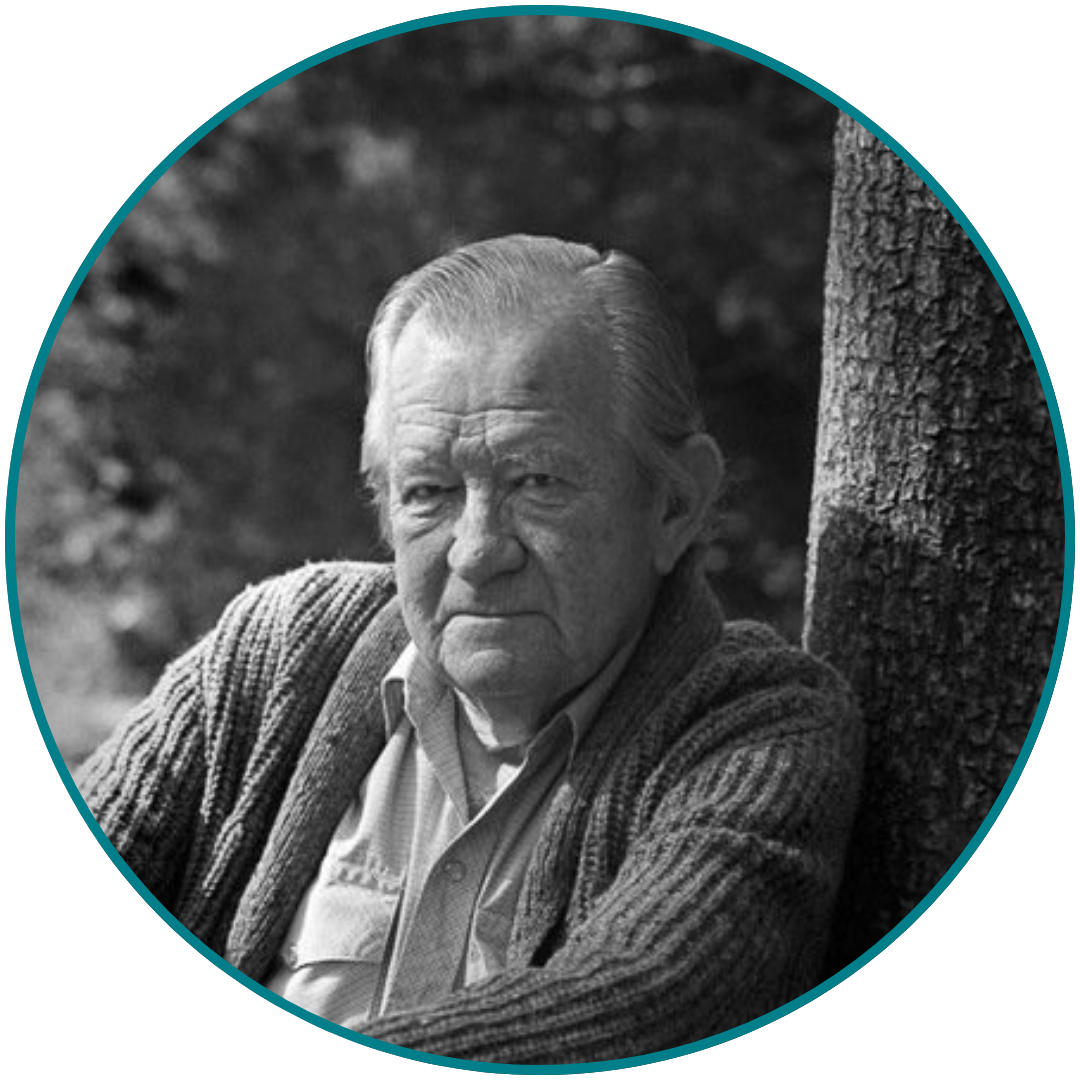
Fred Emery was one of the key figures in the development of sociotechnical systems theory. Working in the Tavistock tradition, he helped articulate a new paradigm for organizational design: one that rejected the technological imperative and treated people, work, technology, and environment as mutually shaping parts of a larger system.
His work emphasized open systems, participatory design, self-regulating groups, and the mutual benefits that emerge from the intersection of social and technical elements. Rather than viewing workers as extensions of machines, Emery saw people as active participants in shaping effective work systems.
Emery’s contributions remain important because they frame sociotechnical design as an ongoing, adaptive process. Joint optimization is not a one-time balance between people and technology; it is a continuing effort to maintain fit as environments, tools, and organizational purposes evolve.
Relevance to Knowledge Flow
Emery belongs in Knowledge Flow because he helps name one of its deepest commitments: intelligence emerges through the relationship between social and technical structure.
Knowledge systems fail when technology is treated as the system and human practice is treated as implementation detail. Emery’s work reverses that assumption. The social and technical must be designed together, with attention to autonomy, participation, context, and adaptation.
For Knowledge Flow, Emery is a core ancestor of the idea that better systems are not merely more efficient. They are more capable of learning.