Practice Area
Conflict Transformation
Using conflict as a source of insight, revealing differences in perspective that can lead to deeper understanding and better decisions.

Domain > Relational Leadership
A way of leading that shapes relationships, context, and conditions—so coherent action can emerge across people, systems, and time.

Using conflict as a source of insight, revealing differences in perspective that can lead to deeper understanding and better decisions.
Empowering teams to make decisions locally without bottlenecks while maintaining coherence across the system.
Designs for how authority, responsibility, and decision rights are distributed and enacted in sociotechnical systems—shaping fairness, accountability, and participation in practice.
Conditions that allow people to speak truth, surface risk, and share incomplete thinking without fear of punishment or exclusion.
Relational leadership creates the conditions for coherence—through transparency, trust, feedback, and the intentional design of how people work together.
It shifts the focus from directing people to shaping the relationships, context, and conditions in which people act. Instead of relying on authority, hierarchy, or control, leadership becomes the practice of enabling clarity, connection, and shared understanding across a system.
In complex environments, no single person has full visibility or enough context to make all decisions. Coherent outcomes emerge when people are able to understand how their work connects, respond to changing conditions, and coordinate with others in real time.
When leadership is treated as control, systems slow down. Decisions bottleneck. People disengage or work around the system to get things done.
When leadership is relational, systems become adaptive. Authority is distributed, context is shared, and people are able to act with both autonomy and alignment.
A story-driven, influential framing of work as learning problem, not an execution problem. We lead this by acknowledging our own fallibility and modeling curiosity.

Knowledge is always partial and emerges between people. When conversations shift from shared understanding to control of the frame, knowledge flow breaks—and better arguments won’t fix it.
People can accept difficult outcomes when they believe the process was fair. And people can resist even reasonable decisions when they experience the process as arbitrary, dismissive, manipulative, or opaque.
Decision Archaeology is the practice of excavating how decisions actually formed. Not the official version. Not the meeting notes. Not the retrospective people tell afterward. The lived system underneath.
“Power is not a pre-existing thing which can be handed out… it is a capacity which is developed by working together.”
“The work of leaders is to create the conditions where people can speak up and contribute.”
“Move the authority to where the information is.”
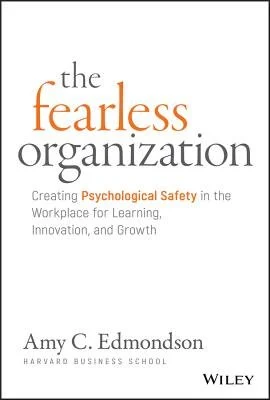
Amy Edmondson
An exploration of psychological safety and organizational learning that reveals how trust and interpersonal conditions shape a system’s ability to surface knowledge, uncertainty, and error.
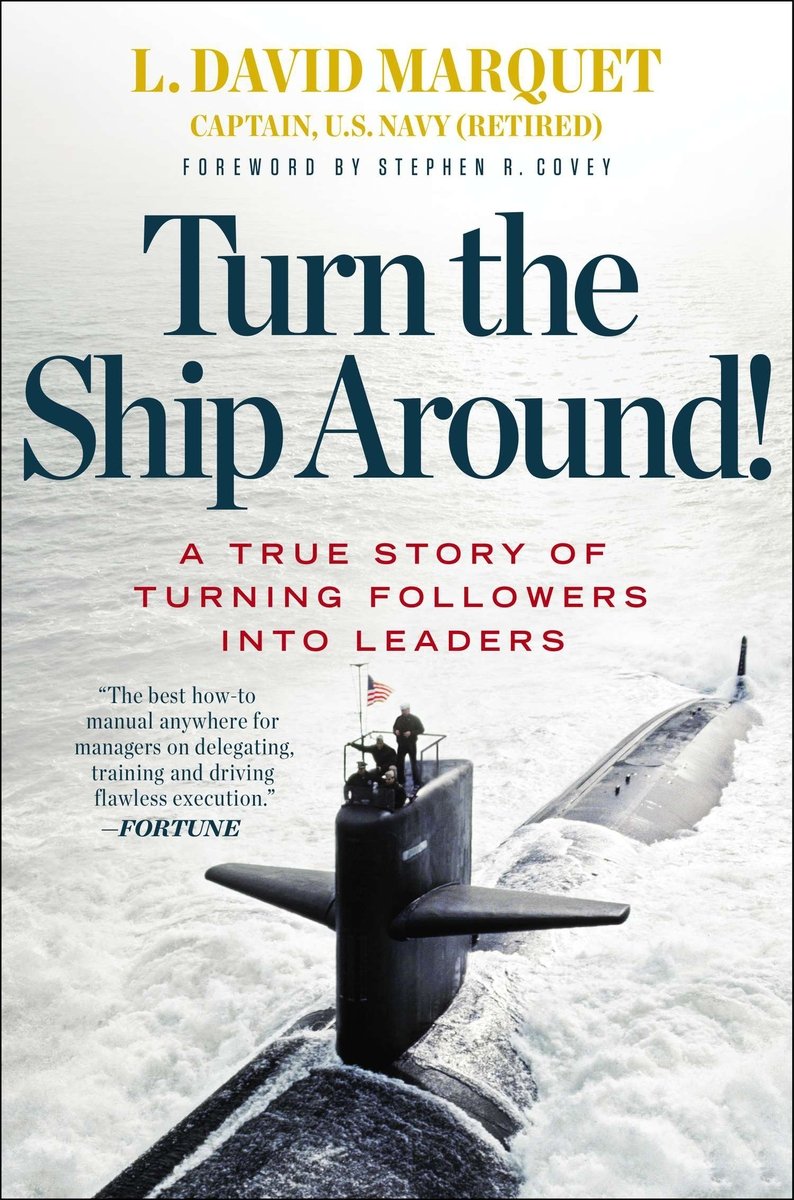
David Marquet
A leadership memoir and organizational case study exploring how distributed authority and shared ownership can increase learning, adaptability, and operational intelligence.
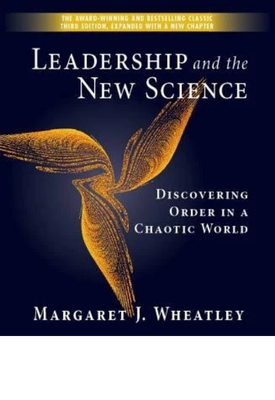
Margaret Wheatley
A systems-oriented exploration of leadership and organizational life that reframes organizations as living systems shaped by relationship, emergence, and participation rather than mechanical control.
The ability for decision-making to occur across a system, supported by shared context and clear boundaries, rather than centralized control.
The quality of a system where actions, decisions, and understanding align across people and time—without requiring constant coordination or oversight.
The practice of making information, constraints, and relationships visible so others can understand, decide, and act effectively.
Use the input form to share your feedback on this page.
Or join the community. Discuss your experiences, share knowledge, learn more, together.
A learning journey through the fireswamp of modern knowledge work — where how you learn matters more than what you know.
© 2026 Mentrix Group | All systems rearchitected