Practice Area
Designing Learning Loops
Creating explicit cycles where action, feedback, and reflection build on each other. Makes learning part of system rhythm.

Domain > Learning Experiences
Embedding feedback, reflection, and experimentation into the flow of work—so systems continuously adapt, improve, and generate better outcomes over time.

Creating explicit cycles where action, feedback, and reflection build on each other. Makes learning part of system rhythm.
Regular practices that keep knowledge flowing—small, repeated actions that build systemic literacy and collective memory.
Practical abilities for working with knowledge itself—how it is found, framed, shared, and evolved. They make knowledge work tangible.
Designing questions and investigations so they open understanding instead of closing it prematurely.
Learning experiences are how systems evolve.
They embed feedback, reflection, and experimentation directly into the flow of work—so teams don’t wait to learn after delivery, but improve continuously as they act.
In most organizations, learning is treated as separate from execution. Work is planned, delivered, and only occasionally reviewed. By the time feedback arrives, it is too late to shape outcomes. The same patterns repeat, and improvement is slow or accidental.
In learning systems, this separation disappears.
Action produces feedback. Feedback informs reflection. Reflection reshapes action. These cycles become part of the system’s natural rhythm—creating continuous adaptation rather than episodic change.
This domain focuses on designing those cycles intentionally: making learning visible, repeatable, and shared. It transforms learning from an individual activity into a system capability—one that compounds over time.
Industrial-era models of education prioritize standardization, compliance, and narrow measures of intelligence over creativity, curiosity, and human potential.

When something hilariously simple refuses to actualize, the solution isn’t more effort. It’s practicing six core competencies: Perceiving, Diagnosing, Connecting, Creating, Launching, and Learning.
A retrospective is not simply a meeting held after work is complete. It is the ongoing practice of converting lived experience into insight, adaptation, and systemic improvement. Retrospectives help individuals and teams notice patterns, surface tensions, revisit assumptions, and evolve how they work together over time.
Knowledge is not simply information we possess — it is something we participate in. Explore Your Own Terrain invites you to examine your habits, environments, relationships, and patterns of adaptation to better understand why meaningful change is often harder than it appears.
“The only sustainable competitive advantage is an organization’s ability to learn faster than the competition.”
“We cannot solve our problems with the same thinking we used when we created them.”
“Learning is the process whereby knowledge is created through the transformation of experience”
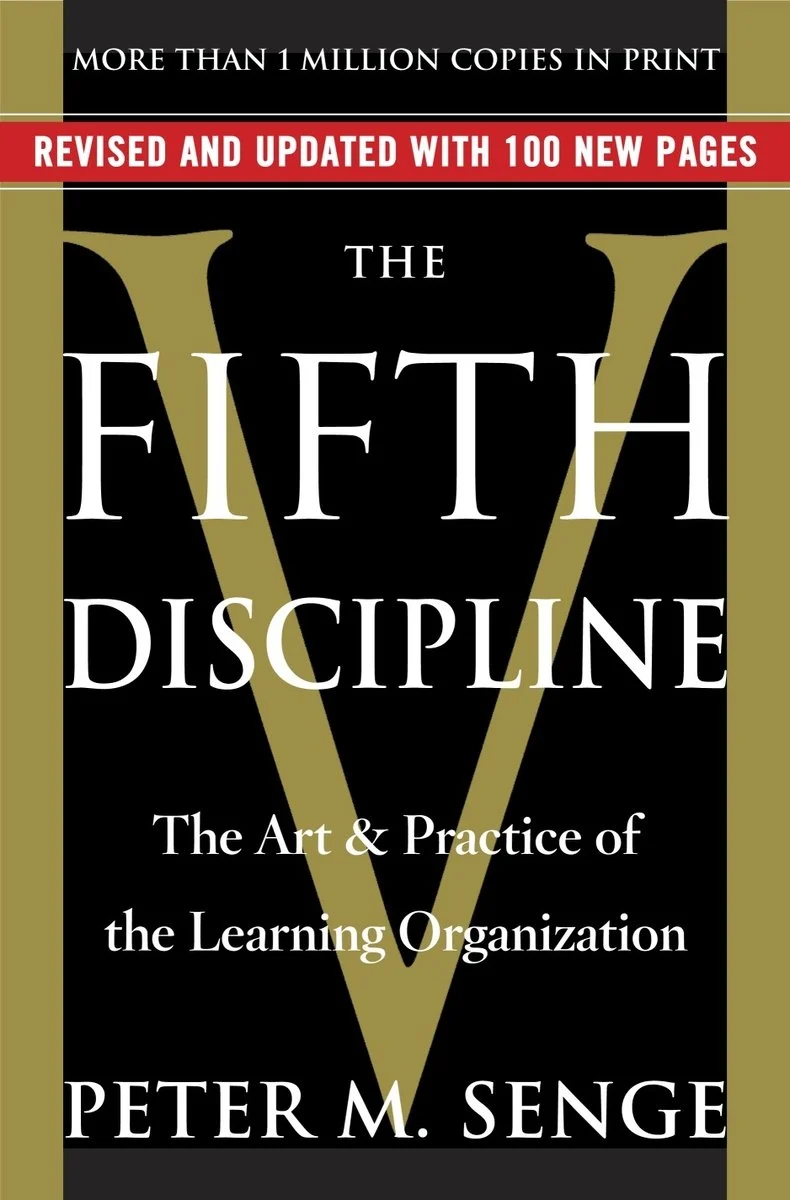
Peter M Senge
A foundational exploration of learning organizations and systems thinking that examines how groups cultivate collective intelligence, reflection, and adaptive capacity.
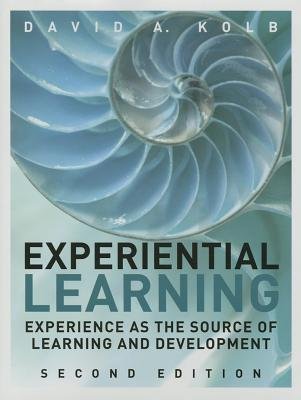
David Kolb
A foundational exploration of learning as a cyclical process of experience, reflection, conceptualization, and experimentation rather than passive information transfer.

Chris Argyris
A deep exploration of how organizations learn, adapt, defend existing assumptions, and often unintentionally prevent the very learning they need most.
A cycle where actions produce results that influence future actions—enabling systems to adjust and adapt over time.
A form of learning that not only adjusts actions, but also questions and changes the underlying assumptions driving those actions.
The speed at which a system can incorporate feedback and improve its behavior over time.
Use the input form to share your feedback on this page.
Or join the community. Discuss your experiences, share knowledge, learn more, together.
A learning journey through the fireswamp of modern knowledge work — where how you learn matters more than what you know.
© 2026 Mentrix Group | All systems rearchitected