Knowledge Flow

Domain > Knowledge Architecture

Knowledge Architecture

A structured approach for organizing, linking, and governing the movement of knowledge through people, tools, and systems—so decisions and actions are informed, timely, and connected to context.

Explore the connections

Resources

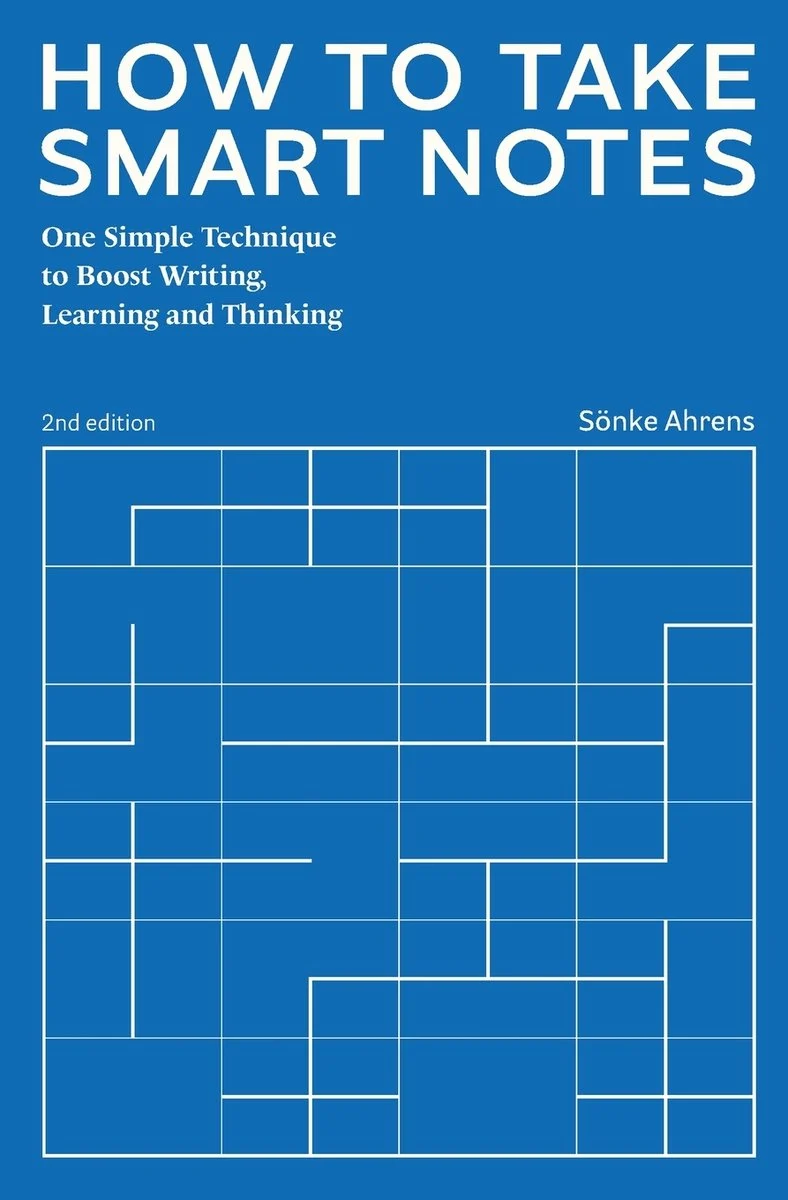
How to Take Smart Notes

One Simple Technique to Boost Writing, Learning and Thinking

by Sönke Ahrens

How to Take Smart Notes

Knowledge does not emerge from collecting information; it emerges from creating connections between ideas. How to Take Smart Notes presents note-making as a living system for developing insight over time.

View details

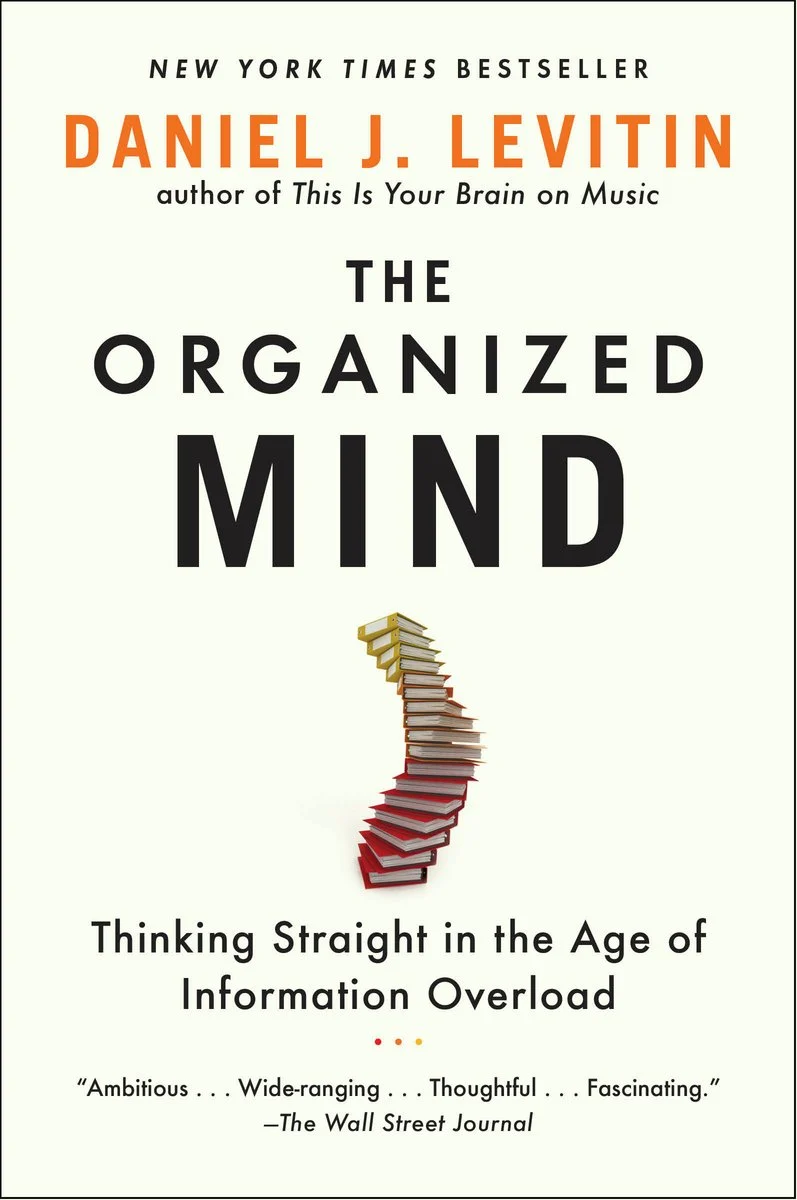
The Organized Mind

Thinking Straight in the Age of Information Overload

by Daniel J. Levitin

The Organized Mind

Modern life overwhelms attention with more information than the mind can hold. The Organized Mind explains how external structures, habits, and environments can reduce cognitive load and improve decision-making.

View details

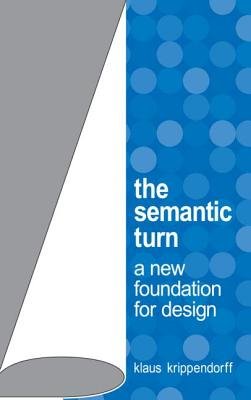
The Semantic Turn

A New Foundation for Design

by Klaus Krippendorff

The Semantic Turn

Design is shifting from making objects to shaping meanings. The Semantic Turn argues that people interact with artifacts through interpretation, language, and use rather than through function alone.

View details

Explore the connections

Ideas to explore

Knowledge is Efficiency of Execution

Most organizations still believe that efficiency, throughput, and control are the ultimate markers of intelligence. This worldview reduces knowledge to compliance with tasks and timelines, ignoring reflection, abstraction, and emergence. It produces brittle systems that optimize for immediate execution but erode adaptability, learning, and long-term value.

Read →

Mentrix Study

Build Your Practice Space

Build your practice through guided learning experiences on Mentrix Study.

Mentrix Study →

Topic Exploration

Build the Blueprint for Knowledge Flow

Knowledge Architecture is how an organization makes thinking visible. It shapes how ideas connect, how decisions are made, and how knowledge persists over time.

When knowledge is well-structured, people do not need to rely on managers, memory, heroics, or accidental proximity to someone who can fix things. The system itself begins to support continuity, clarity, and better judgment.

This domain integrates the design of those structures: how knowledge is named, stored, connected, retrieved, and kept alive as the work evolves.

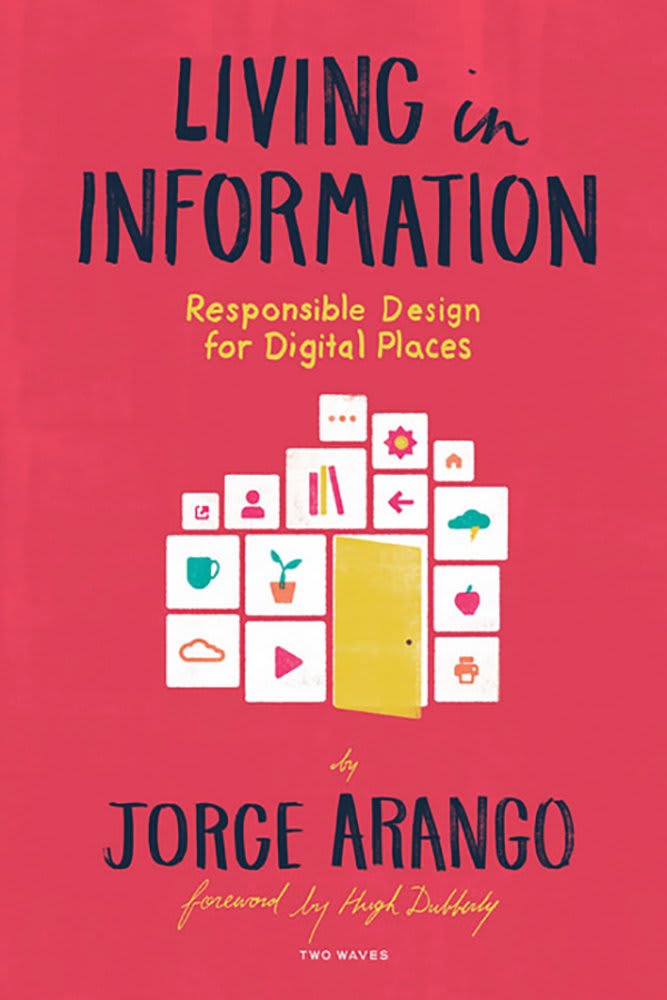
Information environments create contexts that influence our behavior and actions.— Jorge Arango

Explore the connections

People

Weekly Dispatches

Systems ReArchitected

Navigate complexity. Embrace uncertainty. Change What Matters.

Get Involved in the Knowledge Experience

Use the input form to share your feedback on this page.
Or join the community. Discuss your experiences, share knowledge, learn more, together.