Practice Area
Designing Temporal Intelligence
Creating strategies and structures that anticipate how systems and contexts evolve.

Domain > Patterns & Temporal Intelligence
Designing systems that recognize patterns, accumulate state, and respond to change over time—so behavior is shaped by relationships, not just transactions.

Creating strategies and structures that anticipate how systems and contexts evolve.
Recognizing and leveraging emergent properties in complex systems.
Tuning feedback signals to avoid oscillations, delays, and unintended effects.
Patterns & Temporal Intelligence is how a system becomes aware of itself over time.
Most systems are designed around transactions—requests, responses, and discrete flows of data. But real behavior does not emerge from isolated actions. It emerges from sequences, interactions, and accumulated change.
This domain focuses on designing for that reality.
Events become the primary unit of meaning. State becomes the memory of the system. Patterns emerge as relationships across time, not just structure in a single moment.
When these elements are made explicit, systems can begin to respond, adapt, and coordinate in ways that static or linear designs cannot support.
Without temporal intelligence, systems remain reactive and fragmented.
With it, they begin to exhibit continuity, context, and learning.
Reconstruct a past project’s key decision points, noting what was known when and what was missed.
Teams explain how time is represented or handled in their domain; merge perspectives into a coherent shared model.
Map a process or domain by collaboratively identifying all the significant events, their order, and triggers; cluster by relevance and timing.
“People assume that time is a strict progression of cause to effect, but actually, from a non-linear, non-subjective viewpoint, it’s more like a big ball of wibbly-wobbly, timey-wimey… stuff.”
“The world is a process, and the process is the becoming of actual entities.”
“Turning the database inside-out with streams is a fundamental shift in how we think about data.”
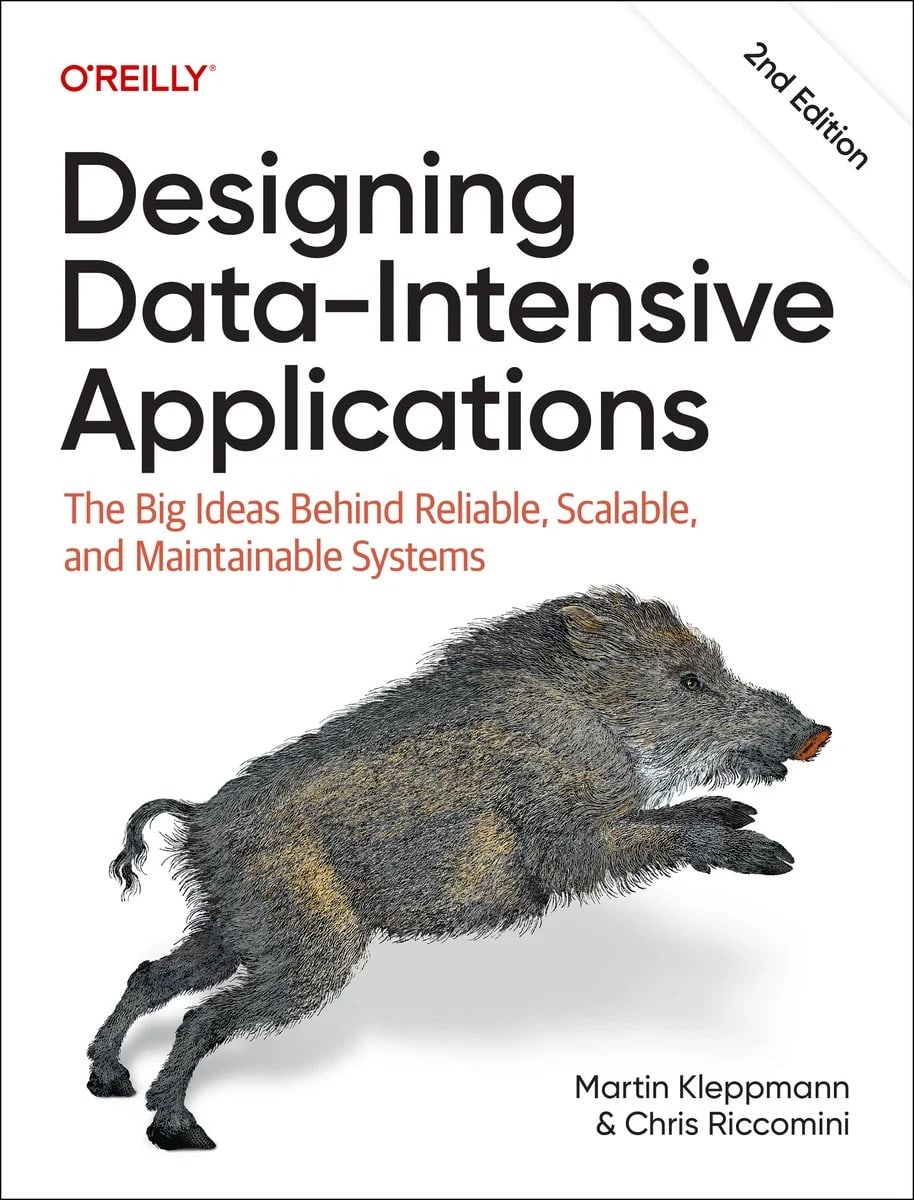
Martin Kleppmann
Explains how to design systems that evolve through events, state, and asynchronous coordination rather than linear transactions. Makes time, sequence, and accumulation explicit as the basis of system behavior.
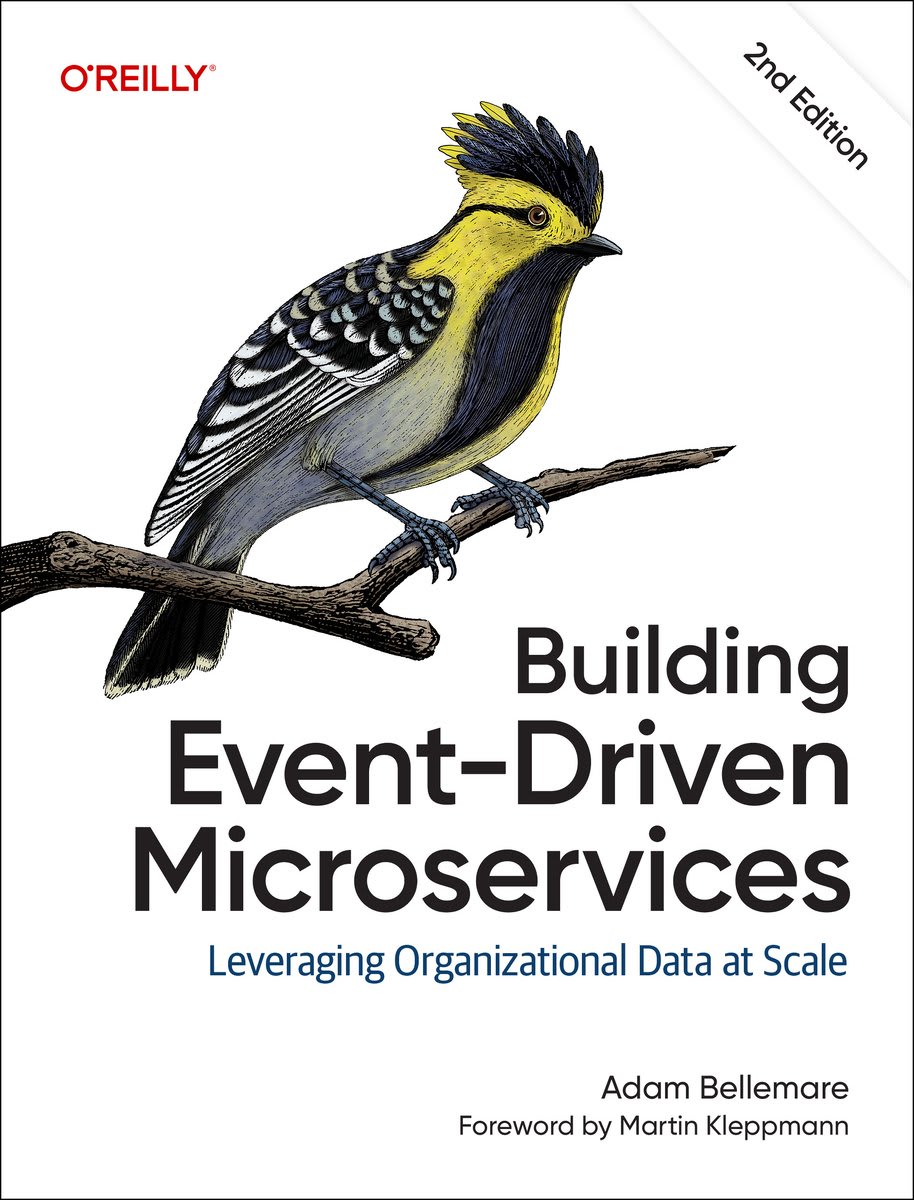
Adam Bellemare
A practical guide to designing systems around events, enabling coordination, state, and behavior to emerge over time.
A meaningful change in the system — not just something that happened, but something that alters state.
The accumulated result of everything that has happened so far. The system’s memory
A recognizable structure that emerges across events over time — the foundation of system intelligence.

Use the input form to share your feedback on this page.
Or join the community. Discuss your experiences, share knowledge, learn more, together.
A learning journey through the fireswamp of modern knowledge work — where how you learn matters more than what you know.
© 2026 Mentrix Group | All systems rearchitected