A practical exploration of decision-making under uncertainty that reframes thinking as probabilistic, adaptive, and continually open to revision.
View details
Domain > Thinking Systems
Seeing patterns, interdependencies, and feedback loops to make better decisions in complex, dynamic environments.
Mentrix Study
Build your practice through guided learning experiences on Mentrix Study.
Mentrix Study →
Explore the connections
A practical exploration of decision-making under uncertainty that reframes thinking as probabilistic, adaptive, and continually open to revision.
View details
An accessible introduction to systems thinking that reveals how feedback loops, delays, structures, and mental models shape the behavior of complex systems over time.
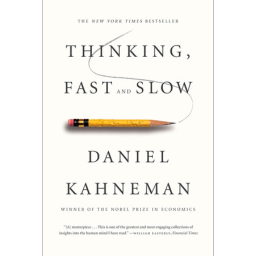
View detailsHuman beings do not think as rationally or consistently as they often believe. Thinking, Fast and Slow explores the cognitive shortcuts, biases, and mental processes that shape judgment, decision-making, and belief.
View detailsExplore the connections

When rational, linear thinking is treated as the only legitimate form of intelligence, organizations cripple their ability to learn and adapt. Real knowledge work integrates multiple cognitive modes — analytic reasoning, embodied intuition, collective sensemaking, and storytelling. When these modes become allies instead of competitors, systems generate insights and solutions no single way of thinking could reach alone.

Organizations don’t fail because people are unintelligent—they fail because they privilege one mode of cognition and silence the rest. This path builds a cognitive ecology where analytic reasoning, embodied intuition, collective sensemaking, and storytelling become allies rather than competitors. You learn practices that integrate mental models across disciplines so new insight can emerge—especially when the “rational” solution keeps making things worse.
Topic Exploration
Thinking systems is the ability to perceive structure beneath events—to see how patterns, relationships, and feedback loops shape what happens over time.
Most people experience systems as a series of disconnected moments: problems appear, decisions are made, outcomes follow. But systems thinking reveals that these moments are not isolated—they are expressions of underlying structure.
When this capability is present, people move beyond reacting to events. They begin to understand how actions propagate, how consequences emerge, and how small changes in structure can create large shifts in behavior.
This domain integrates the practices of modeling, reflection, and perspective-taking that make system behavior visible—and therefore changeable.

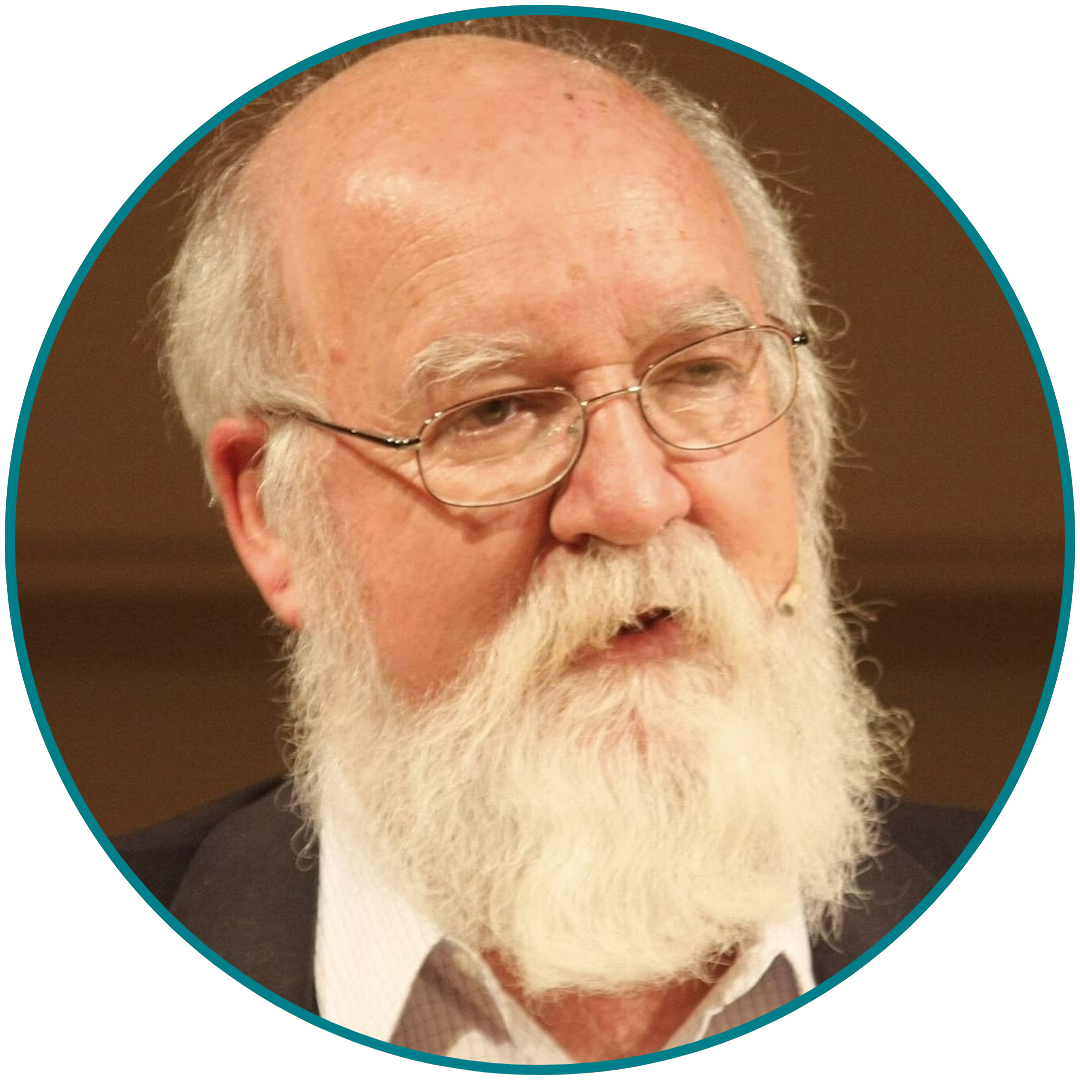
You can’t do much thinking with your bare brain.— Daniel Dennett
Explore the connections

Use the input form to share your feedback on this page.
Or join the community. Discuss your experiences, share knowledge, learn more, together.